

A Symphony of Color Above the Treeline
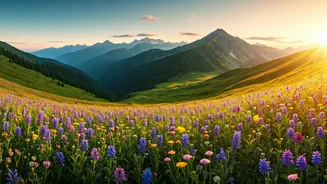
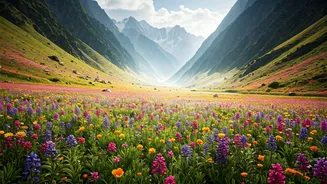
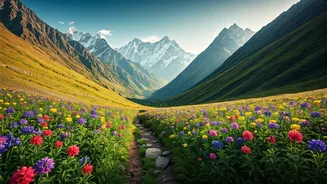
In the high-altitude meadows of Uttarakhand, a state in northern India known as “Land of the Gods,” a breathtaking natural spectacle unfolds each year after the monsoon rains recede. From late August through September, vast stretches of alpine terrain,
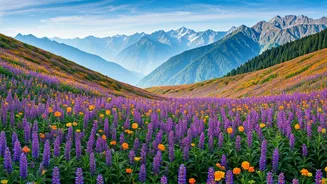
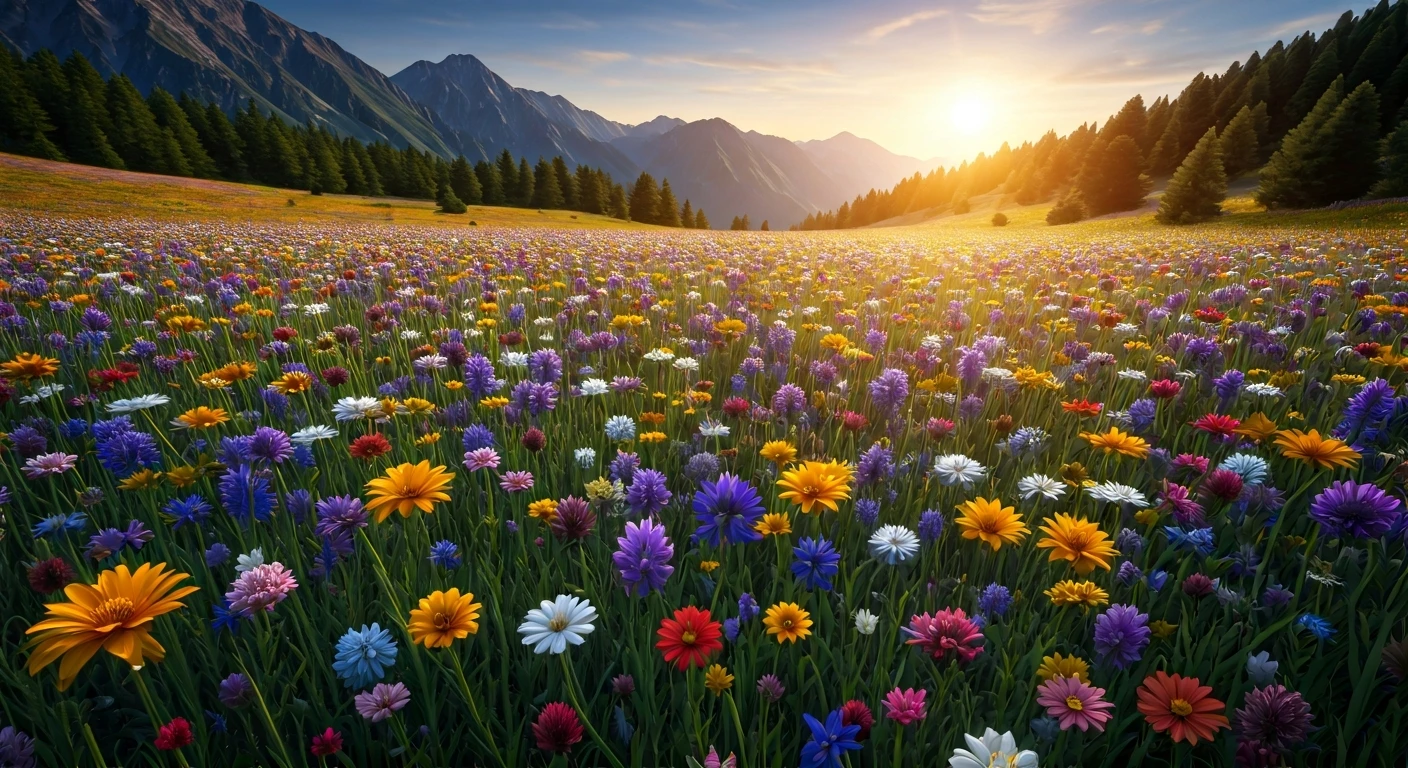
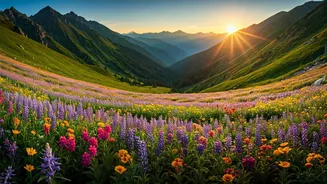
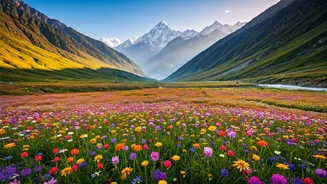
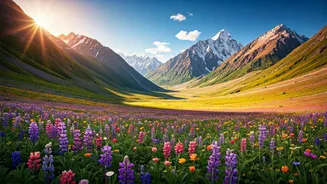
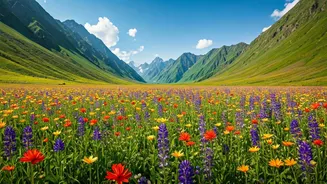
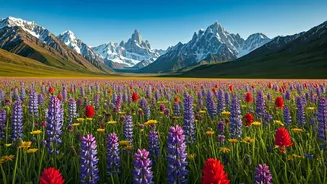
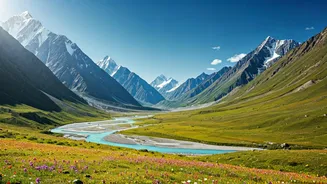
typically stark and rugged, are transformed into a vibrant tapestry of wildflowers. This is not just a few blossoms dotting a hillside; it is an overwhelming, ocean-like bloom of blues, pinks, yellows, and whites, stretching for miles under the jagged peaks of the Himalayas. For nature lovers and trekkers who make the arduous journey to these elevations—often above 12,000 feet—the reward is a sight so surreal and beautiful it often leaves them, as the headlines suggest, utterly speechless. The air, crisp and cool, carries the faint, sweet scent of countless blossoms, creating a sensory experience that feels both otherworldly and deeply grounding.
The Legendary Valley of Flowers
The most famous epicenter of this phenomenon is the Valley of Flowers National Park, a UNESCO World Heritage Site. Discovered by British mountaineers in 1931, this remote valley has long been steeped in local mythology. Hindu texts refer to it as the place from which the deity Hanuman collected a mythical, life-saving herb. This spiritual significance adds another layer of wonder to the experience. The park is home to over 600 species of exotic flowers, including the iconic Himalayan blue poppy, the cobra lily, and countless varieties of orchids, poppies, and daisies. The sheer density and diversity of the bloom give the valley its dreamlike quality, as if it were a secret garden designed by nature itself, hidden away from the world.
The Mythical Midnight Bloom
Among the hundreds of species, one flower in particular captures the imagination: the Brahma Kamal, or “Sacred Lotus.” This rare, ethereal blossom is not found in the valley floor but on rocky cliffs at even higher altitudes, often between 13,000 and 15,000 feet. Unlike most flowers, the Brahma Kamal blooms only for a few hours, opening its large, waxy petals after sunset and closing before dawn. To witness it is considered an incredible blessing and a moment of profound spiritual connection. For trekkers and pilgrims, timing a visit to witness this fleeting, nocturnal event is the ultimate prize. Its ephemeral nature serves as a powerful metaphor for the beauty and fragility of life in this extreme environment.
A Delicate and Fragile Paradise
While the blooms are a powerful tourist draw, they are also a sensitive barometer of the region's ecological health. These alpine ecosystems are incredibly fragile. The flowers have adapted to a harsh climate with a very short growing season, and their survival depends on a delicate balance of temperature, rainfall, and soil conditions. Scientists and environmentalists watch these blooms closely as indicators of climate change, which threatens to disrupt the timing of snowmelt and rainfall that the flowers rely on. The increasing foot traffic from tourism also poses a challenge, requiring careful management to ensure this natural wonder can be preserved for future generations to enjoy. The breathtaking beauty comes with a profound responsibility to protect it.