






Why Bother? It's More Than Just Dirt
It’s easy to assume a quick rinse is enough, or that fruit straight from an organic farm is pristine. But the risks are more than just cosmetic. Fresh produce can be a carrier for invisible contaminants picked up anywhere from the farm to the grocery
store. This includes residual pesticides, which can be present on both conventional and, to a lesser extent, organic produce. More concerning is the potential for harmful bacteria like Salmonella, E. coli, and Listeria, which can cause foodborne illness. These pathogens can contaminate fruit through soil, water, or handling. A 2018 FDA report, for instance, linked a multistate outbreak of Salmonella to pre-cut melon. The good news is that the risk of getting sick is low, and proper washing is a highly effective way to reduce it even further.
The Simple, Official Method for Washing Fruit
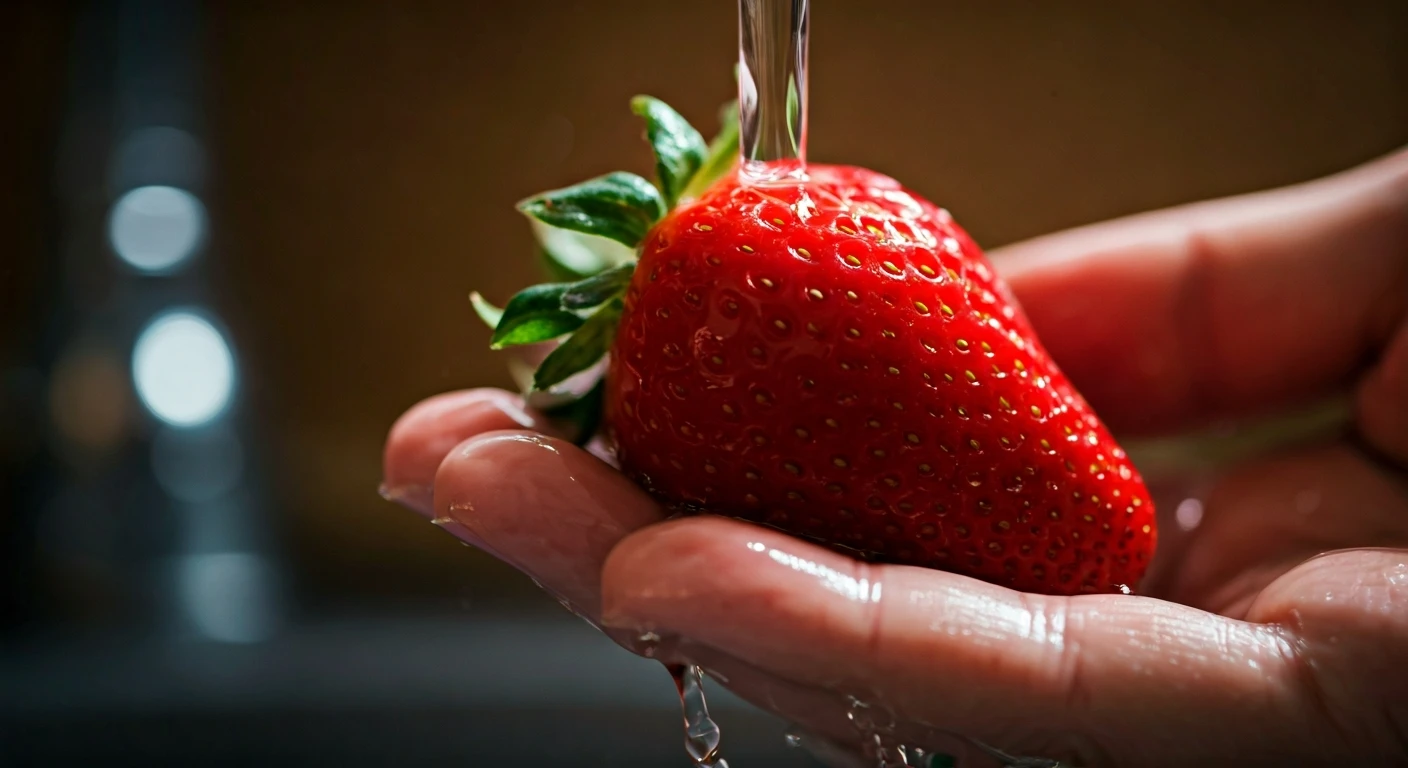
Forget complicated rituals or expensive gadgets. The method recommended by the FDA and CDC is refreshingly simple and relies on one key ingredient: plain, cool running water. Start by washing your own hands with soap and water for at least 20 seconds. Then, place the fruit under the tap. For firm-skinned fruits like apples, melons, or citrus, gently rub the surface with your hands as the water runs over them. For produce with rough or tough skins, like cantaloupes or potatoes, use a clean vegetable brush to scrub the surface. This mechanical action is crucial for dislodging grit and microbes. There's no need for hot water, which can actually help microorganisms enter the fruit and may cause wilting or damage.
Skip the Soap and Special Washes
It might seem logical to wash your fruit with soap, just as you wash your hands. However, health authorities strongly advise against it. Fruits have porous skins that can absorb soap or detergent, which are not meant for consumption and can cause gastrointestinal irritation. Commercial produce washes are also generally considered unnecessary. Studies conducted by food science departments, including at the University of Maine, have consistently found that running water is just as effective—and in some cases, more so—than commercial cleaning solutions at removing most contaminants. While some people swear by a vinegar and water soak, the FDA maintains that water alone does the job sufficiently without leaving behind any lingering taste or requiring extra steps.
Handling Delicate Berries and Melons
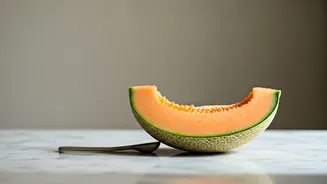
Not all fruits are created equal when it comes to washing. Delicate items like raspberries, blackberries, and strawberries require a gentler touch. The best practice is to place them in a colander and give them a gentle spray with cool water right before you plan to eat them. Washing them too far in advance can introduce moisture that speeds up mold growth and decay. For fruits with a thick, inedible rind like melons, avocados, or oranges, it’s still critical to wash them before you cut into them. A knife can easily transfer bacteria from the exterior rind to the edible flesh inside. A good scrub of that cantaloupe or avocado skin is one of the most important food safety steps you can take in your kitchen.
The Final, Forgotten Step: Drying
Once your fruit is clean, don't just toss it in a bowl. Drying your produce with a clean cloth or paper towel is a final, important step. Removing the excess moisture helps get rid of any remaining bacteria that the water may have left behind. For fragile items like salad greens or herbs, a salad spinner is an excellent tool. Taking this extra 30 seconds ensures that your beautifully washed fruit is as safe and delicious as it can possibly be, ready for your family to enjoy without a second thought.