




First, What Is Monsoon Cooking?
Before we dive into the dishes, let’s set the scene. In countries like India, the monsoon season (roughly June to September) is a dramatic, transformative time. It breaks the intense summer heat, replenishes the earth, and profoundly shapes daily life.
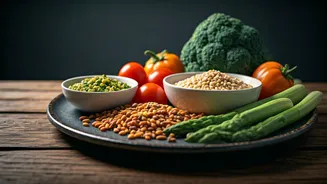
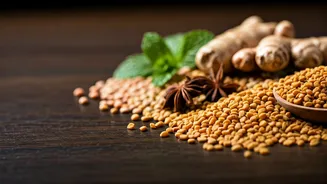
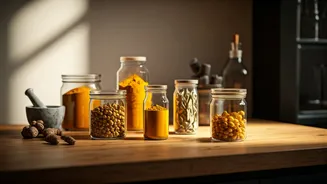
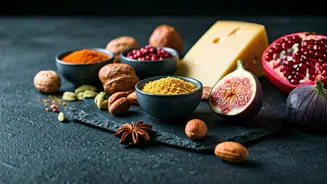
Monsoon cooking isn't just a random collection of recipes; it's a culinary response to the weather. The food is typically warm, comforting, and often fried—a perfect contrast to the cool, damp air. It also strategically uses spices like ginger, turmeric, and black pepper, which are believed in Ayurvedic tradition to aid digestion and boost immunity during a season when illnesses can be more common. It’s about creating a sense of cozy well-being, or 'pakora-and-chai weather,' as it’s affectionately known.
The Irresistible Crunch of Pakoras
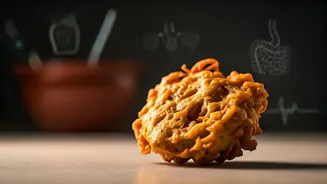
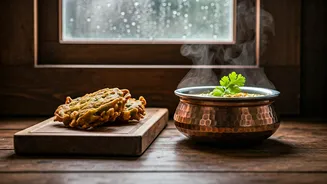
If there’s one food that defines the monsoon, it’s the pakora. These are savory fritters, and they are non-negotiable when it rains. Vegetables like onions, potatoes, spinach, or cauliflower are chopped, dipped in a spiced chickpea flour batter (called besan), and deep-fried until golden and crispy. They are the ultimate comfort snack, served piping hot with a side of mint-coriander chutney or tangy tamarind sauce. In the U.S., you're seeing them move beyond the appetizer menus of Indian restaurants and into the spotlight. Food bloggers are popularizing home-fried versions, and gastropubs are even experimenting with pakora-style fried vegetables, proving their universal appeal.
The Ultimate Comfort Beverage: Masala Chai
Coffee has its place, but a rainy afternoon practically begs for a cup of masala chai. This isn't the overly sweet, syrupy stuff you might find at a big coffee chain. Authentic masala chai is a potent brew of black tea, milk, and a warming spice blend (the 'masala') that often includes cardamom, cinnamon, cloves, ginger, and black peppercorns. It's simmered on a stovetop, filling the kitchen with an incredible aroma. The ritual of making and sipping chai while watching the rain is a core part of monsoon culture. As more Americans seek out authentic global flavors, artisanal chai blends and proper brewing techniques are gaining serious traction, making it the go-to cozy drink.
The One-Pot Wonder: Khichdi
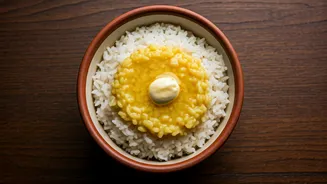
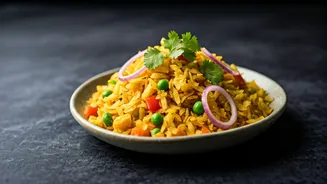
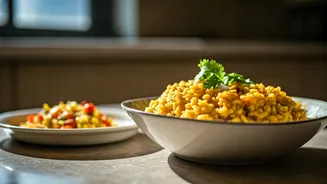
While fried snacks are for indulgence, khichdi is for nourishment. This humble, one-pot dish of rice and lentils is the Indian equivalent of chicken soup—it's what people eat when they feel sick, need comfort, or just want a simple, wholesome meal. During the monsoon, it's celebrated for being light and easy to digest. But simple doesn't mean bland. It's often tempered with ghee, cumin seeds, and turmeric, and can be customized with seasonal vegetables. High-end restaurants in the U.S. are now creating gourmet versions, elevating it with unique grains and toppings, but its soul remains the same: a deeply satisfying, restorative meal in a bowl.
Street Food Stars: Corn and Samosas
Monsoon is peak season for street food. Two major players are roasted corn on the cob (bhutta) and samosas. Street vendors across India roast ears of corn over hot coals, then rub them with salt, chili, and a squeeze of lime—a smoky, spicy, tangy combination that’s absolutely addictive. Samosas, the classic pyramid-shaped pastries filled with spiced potatoes and peas, are another deep-fried delight that tastes even better when the weather is gloomy. Both are making their presence felt in the States, not just at food trucks but also as go-to party snacks and appetizers that offer a more interesting alternative to mozzarella sticks.