

So, What Is 'Thela Energy'?
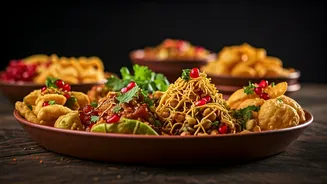
Before we get to the potato chips, let’s define the source. A 'thela' is a Hindi word for a pushcart or street stall, the bustling, beating heart of daily life across South Asia. 'Thela energy' is the sensory explosion that comes with it: the sizzle of oil,
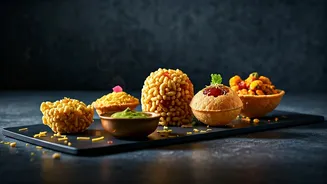
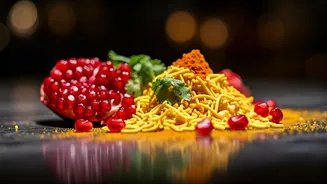
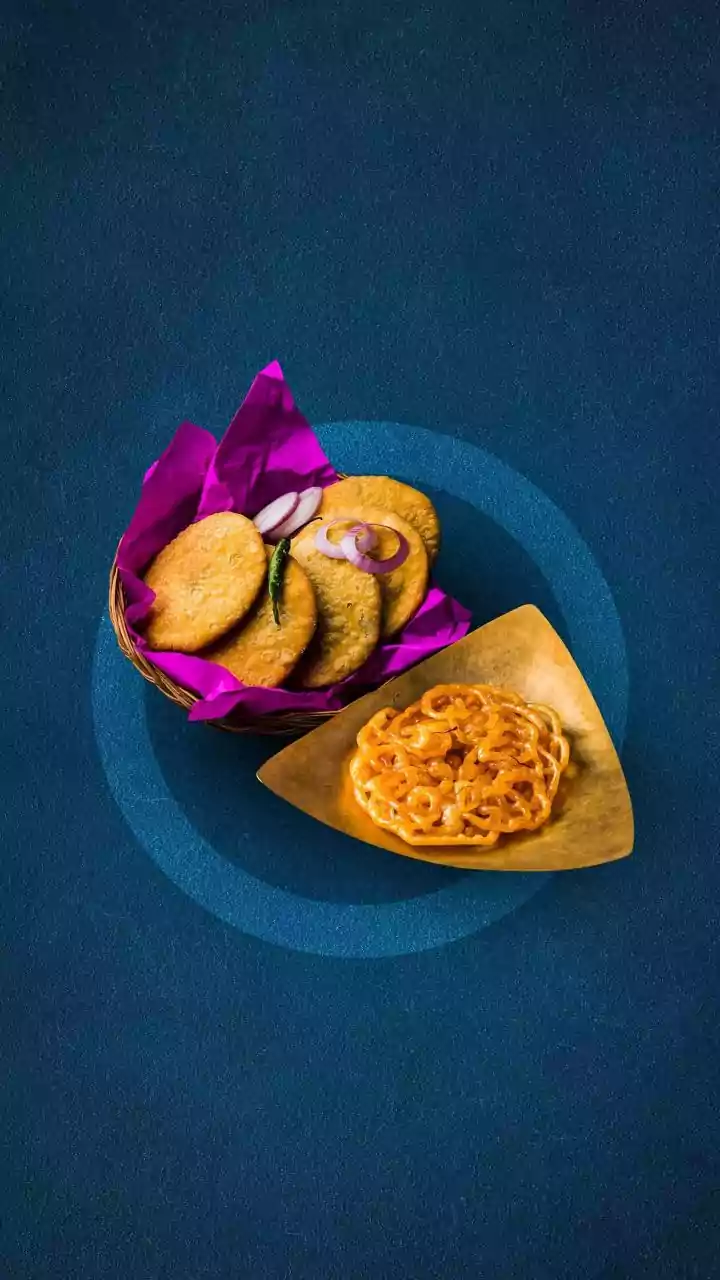
the rhythmic chop of onions, the clang of a metal spoon on a hot pan, and most importantly, the complex, punchy flavors. We’re talking about the holy trinity of chaat—a category of snacks that masterfully balances spicy, sweet, tangy, and crunchy. It’s the cooling yogurt, the fiery chilies, the sweet-sour tamarind chutney, and the fresh cilantro, all coming together in a single, unforgettable bite. This isn’t a subtle flavor profile; it’s a confident, unapologetic celebration of taste. And that is the energy corporate snack brands are trying to bottle.
The Diaspora-Led Pioneers
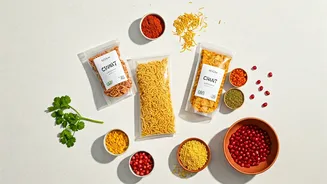
This trend didn't just appear in a corporate boardroom. It was seeded years ago by South Asian American entrepreneurs who saw a gap in the market. They grew up with these flavors and wanted to share them in a convenient, modern format. Brands like AshaPops, which makes flavored water lily seed snacks, or The Chaat Co., which brought chaat-inspired yogurt bowls to the U.S., were among the trailblazers. They did the hard work of educating American palates, introducing concepts like 'turmeric' and 'masala' not as exotic novelties, but as delicious, everyday ingredients. These smaller, founder-led companies acted as cultural translators, proving that a market existed beyond the South Asian diaspora for complex, savory snacks.
The Big Brands Catch On
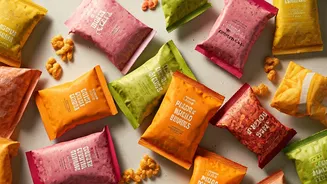
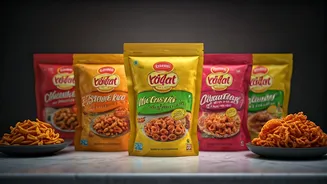
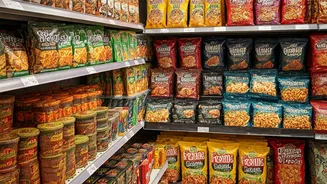
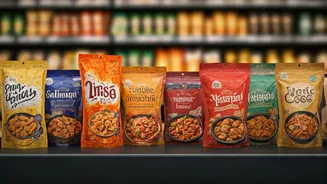
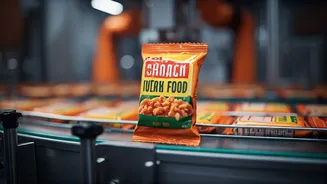
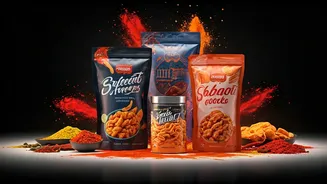
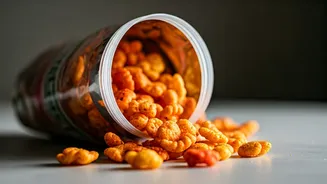
Once the path was cleared, the giants followed. The most visible example is Frito-Lay’s U.S. release of its Lay’s India’s Magic Masala flavor. A longtime bestseller in India, its arrival on American shelves was a major signal. The flavor—a savory, slightly spicy, and deeply aromatic blend—is a world away from Barbecue or Cheddar. Similarly, Trader Joe’s, a reliable barometer of mainstreaming food trends, has stocked its shelves with items like Spicy Chakri Murukku (a crunchy spiral snack) and potato chips seasoned with a tangy masala blend. These products aren't tucked away in an international aisle; they’re placed right alongside the tortilla chips and pretzels, signaling a full integration into the American snack canon.
Why Now? The Demographics and the Palate
Two major forces are driving this shift. First, demographics. The South Asian American community is one of the fastest-growing and most affluent demographic groups in the country. They represent a powerful consumer base hungry for the flavors of home. For years, they relied on specialty grocery stores, but big brands are finally recognizing their purchasing power. Second, the American palate is getting broader and bolder. Younger consumers, particularly Millennials and Gen Z, have grown up with unprecedented access to global cuisines. They don’t see international flavors as 'other'; they see them as exciting. They crave authenticity and new experiences, and their adventurous eating habits are directly influencing what ends up in grocery stores nationwide.
The Authenticity Question
Whenever a mainstream brand borrows from a specific culture, the conversation about appreciation versus appropriation isn't far behind. Getting 'thela energy' right is more than just slapping a 'masala' label on a bag. Consumers, especially those familiar with the real deal, can spot a watered-down, inauthentic attempt from a mile away. The most successful adaptations are those that respect the complexity of the original flavor profile. They don’t shy away from the tang of tamarind or the heat of chili. For brands, the challenge is to capture the essence and energy of the thela without reducing it to a caricature. It requires careful formulation and, ideally, collaboration with people who have a deep, lived understanding of the cuisine.