

A Festival of Faith and Fertility
Before we get to the food, you need to understand the scene. The Ambubachi Mela is one of India’s most significant spiritual gatherings, held at the Kamakhya Temple in Guwahati, Assam. Perched on a hill, the temple is a major center for Tantrism and is dedicated
to the goddess Sati. The festival marks the time when the goddess is believed to menstruate, a powerful symbol of the earth's creative and life-giving force. For four days, the temple doors close as pilgrims, ascetics, and holy men from all over India chant, meditate, and celebrate. The air is thick with incense, devotion, and an energy that is both ancient and electrifyingly present.
Cuisine Born from the Land
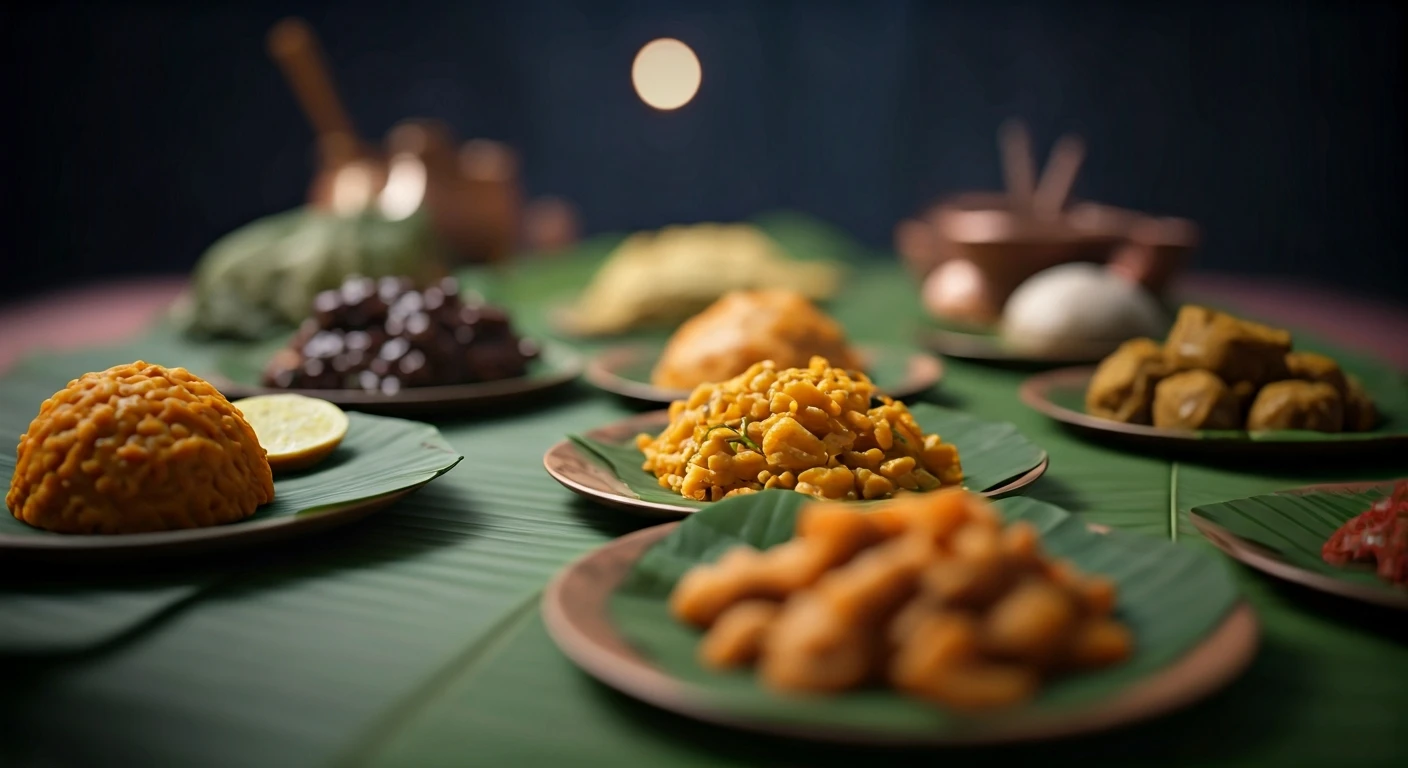
In a region dominated by the mighty Brahmaputra River and prone to heavy monsoons, the cuisine of Assam was shaped by a simple need: preservation. Fermentation isn't a trendy health fad here; it's an ancient culinary technology. It’s a way to make seasonal abundance last, to transform humble ingredients, and to create flavors you won’t find anywhere else on the subcontinent. While the festival itself involves certain dietary customs, the foods available in the surrounding city showcase the region's signature tastes, many of which rely on this age-old process. Think of it as the original farm-to-table, where the “table” is a shared plate at a massive, vibrant festival.
Khorisa: The Bamboo Powerhouse
The king of Assamese fermented foods is undoubtedly *khorisa*, or fermented bamboo shoots. If you think you know bamboo from your local Chinese takeout, think again. Freshly harvested bamboo shoots are shredded, packed into containers, and left to ferment, developing a pungent, sour aroma and a tangy, slightly funky taste. The flavor is complex—imagine the bright acidity of a good pickle combined with an earthy, savory depth. *Khorisa* is a flavor bomb used to cut through the richness of pork or duck curry, providing a sharp counterpoint that makes the whole dish sing. It can also be simply stir-fried with chilis and onions, creating a condiment that enlivens a plain bowl of rice.
The Magic of Khar and Achar
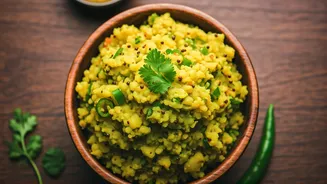
Beyond bamboo, two other staples define the region’s palate. First is *khar*, a truly unique ingredient. It's an alkaline liquid traditionally made by filtering water through the ashes of dried banana peels. While not a fermented product, it’s a cornerstone of the cuisine that gives dishes a distinct, almost metallic-clean flavor that’s impossible to describe until you’ve tasted it. A *khar* dish, often made with green papaya or lentils, is a palate-cleansing start to a traditional Assamese meal. Then there’s *achar*, the catch-all term for pickles. Here, fermentation is key. Everything from mango and Indian jujube (*bogori*) to fiery ghost peppers (*bhut jolokia*) and tiny fish are preserved in mustard oil and spices, left to mature into intensely concentrated bursts of flavor that are served alongside every meal.
The Unapologetic Funk of Fermented Fish
For the more adventurous eater, Assam offers *hukoti*, or fermented dried fish. This is where the funk gets turned up to eleven. Small river fish are dried, mashed with herbs, and packed into bamboo tubes to ferment for months. The resulting product is a thick, dark paste with an aroma so powerful it could knock you over from a few feet away. But used judiciously, it’s a secret weapon. Just a small amount added to a vegetable stew or curry provides a massive, savory umami backbone, much like Southeast Asian shrimp paste or a high-quality fish sauce. It adds a depth and complexity that is deeply satisfying, proving that in Assamese cooking, some of the most beautiful flavors are born from the boldest traditions.