

From Reductionism to Whole-Food Wisdom
For a long time, food science was reductionist. It was about breaking food down into its component parts—this much vitamin C, that much protein, this many calories. This led to the “fortified” food aisle, where processed grains were stripped of their
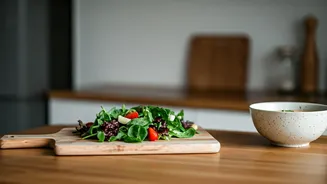
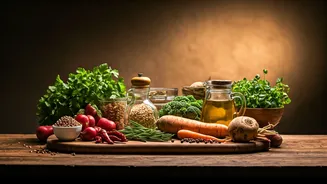
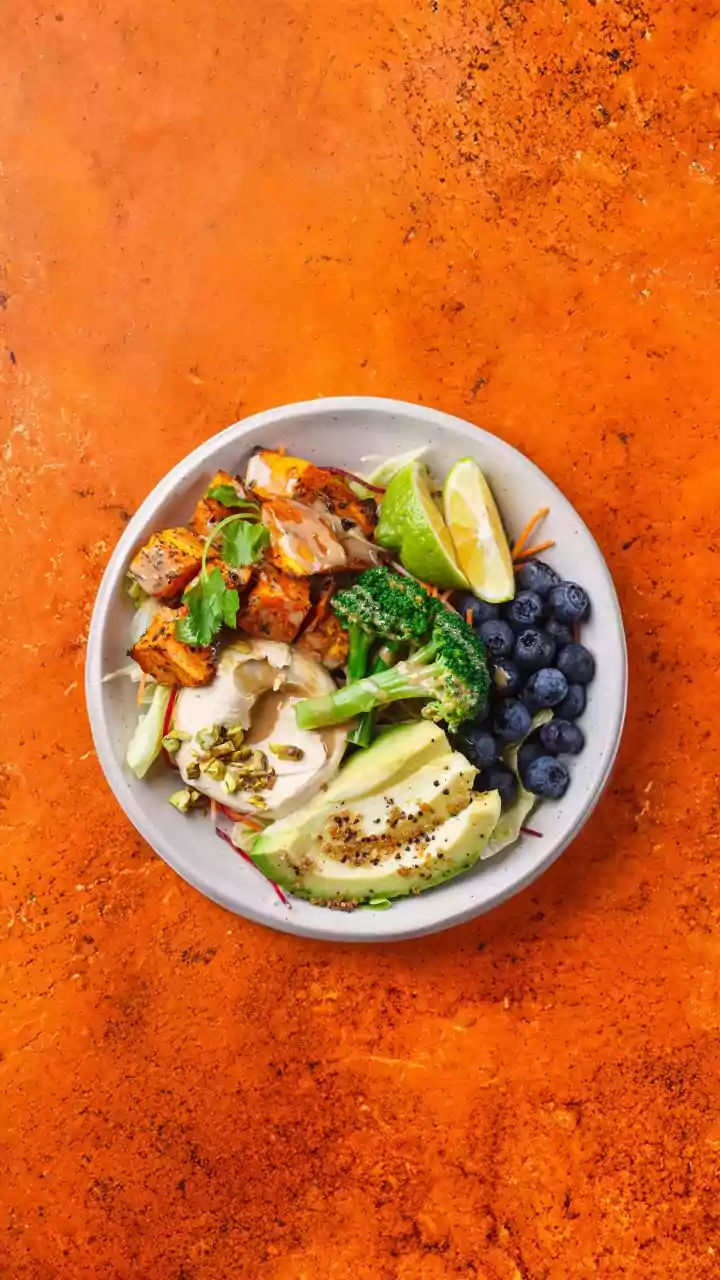
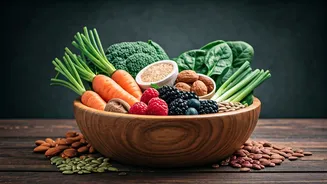
nutrients and then had a few synthetic vitamins sprayed back on. We were sold on the idea that a single nutrient, isolated in a lab, was the key to health. But we’re now seeing the limits of that approach. Cutting-edge nutritional science is confirming what home cooks always knew intuitively: food works as a system. An orange is more than just vitamin C; it’s a complex package of fiber, water, flavonoids, and countless other micronutrients that work together. Science is finally catching up to the simple brilliance of eating a whole, unprocessed apple instead of just popping a supplement.
Grandma Was a Brilliant Chemist
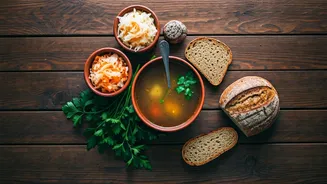
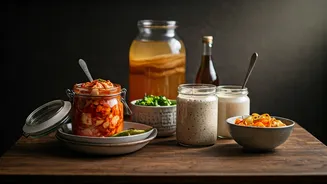
Think about the most delicious things you make at home: a seared steak with a dark crust, golden-brown roasted potatoes, the smell of baking bread. These aren’t just happy accidents; they are complex chemical reactions that home cooks have mastered for centuries. The beautiful browning on that steak is the Maillard reaction, a cascade of hundreds of new flavor compounds created when amino acids and sugars interact under heat. That sourdough starter bubbling on your counter? It’s a thriving ecosystem of wild yeasts and bacteria, a process of controlled fermentation that not only produces incredible flavor but also makes nutrients in the grain more digestible. We now know this process cultivates beneficial microbes that support gut health. Food scientists are studying these age-old techniques with awe, realizing they are sophisticated biochemical processes that produce results far more complex and satisfying than anything engineered in a sterile lab.
The Scientific Power of the Pair
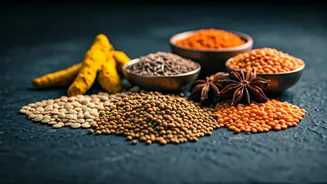
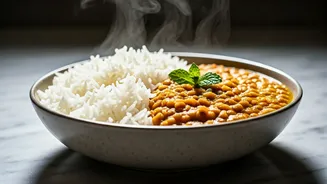
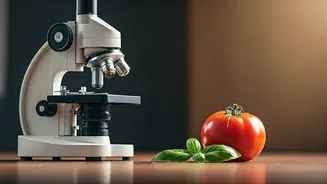
So many classic recipes rely on specific food pairings. A drizzle of olive oil on fresh tomatoes. A dash of black pepper in a turmeric-spiced curry. These combinations, developed over generations for flavor, are now being revealed by science to have profound nutritional benefits. It turns out, the healthy fat in olive oil makes lycopene, a powerful antioxidant in tomatoes, far more bioavailable for your body to absorb. In the case of turmeric, a compound in black pepper called piperine can boost the absorption of curcumin—turmeric’s main active ingredient—by as much as 2,000%. Traditional food cultures are filled with these synergistic pairings. From the beans and rice that form a complete protein in Latin American cuisine to the fat-soluble vitamins in vegetables being unlocked by a pat of butter, science is simply providing the footnotes for a textbook that was written in kitchens around the world long ago.
Beyond the Ultra-Processed Aisle
This isn't to say all food science is good. The same field that can explain the magic of fermentation is also responsible for the hyper-palatable, nutrient-poor, ultra-processed products that dominate many supermarket aisles. But it’s helpful to see that as an early, less-sophisticated application of the science. The first wave was about creating shelf-stable, convenient, and cheap calories. The new wave is about understanding complexity, flavor, and the intricate dance between food and the human body. As researchers delve deeper into the gut microbiome, nutrient synergy, and the sensory experience of eating, their findings point away from the processed snack aisle and directly back to the farmer's market and the home kitchen. The most advanced food science is becoming a cheerleader for the simplest, most traditional ways of eating.