/images/ppid_59c68470-image-176494254761391367.webp)


What is the story about?
For decades, India's Northeast has been home to a thriving music scene that remained largely invisible to the country's mainstream industry. From the political storytelling of Manipur to the experimental sounds emerging from Assam and Mizoram, the region has produced artists whose work speaks to universal human experiences while staying deeply rooted in their cultural contexts. Now, a festival is working to change that narrative — not just through visibility, but by building an entire ecosystem designed to integrate these voices into India's creative economy.
Breaking through Structural Barriers
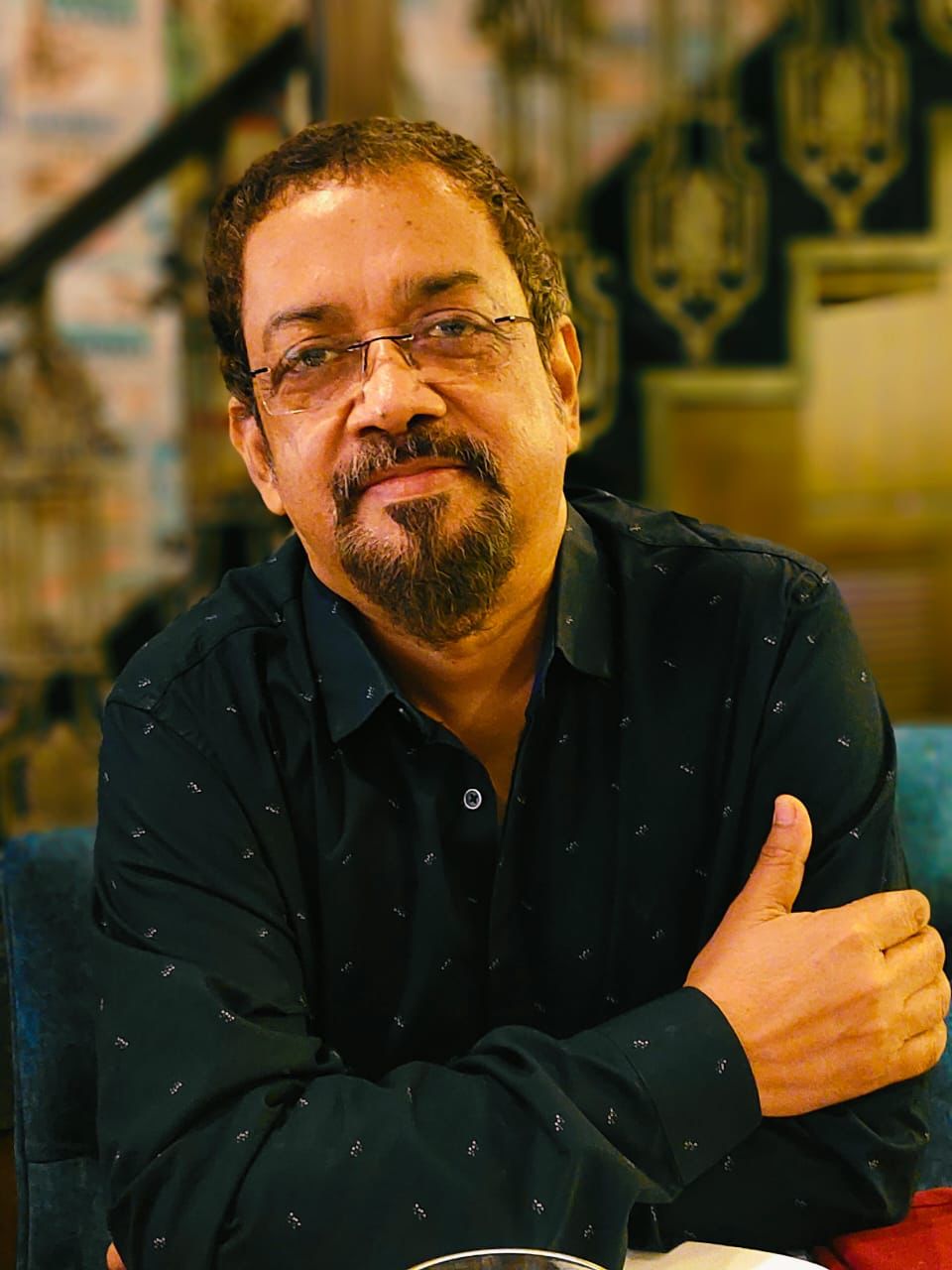
“The Northeast has always been musically rich — rhythm, melody, and storytelling are deeply woven into the fabric of its culture. What's missing is not talent, but access," explains Kaushik Dutta, Founder and Director of MusiConnect India, which organises the Soundscapes of India (SOI), in collaboration with Indian Performing Right Society (IPRS).
For too long, the infrastructure needed to take music beyond regional boundaries has remained fragmented, from the absence of formal representation in national festivals to limited connections with the global touring circuit. Soundscapes of India was created to address this gap systematically.
“It's not just about giving these artists a stage; it's about building an ecosystem around them — connecting them with international festival directors, curators, and booking agents so their sound can travel where it truly belongs," Dutta emphasises.
The festival, whose second season recently concluded in the national capital, brought over 15 international festival directors and curators from prestigious platforms like Fira Mediterrania in Spain, Fuji Rock in Japan, and Amsterdam Roots in the Netherlands — not as guests, but as active collaborators who listen, discover, and select artists for their own global lineups.
The results speak for themselves. “Take Tāl Fry from Delhi last year. After performing at Soundscapes of India Season 1, they were invited to represent India at the prestigious Rainforest World Music Festival (RWMF) in Malaysia,” Dutta shares
Similarly, West Bengal's Baul Mon found their folk-fusion sound travelling beyond borders, connecting with international promoters drawn to their authentic storytelling and traditional Baul heritage reimagined for contemporary ears.
“For artists from the Northeast and other underrepresented regions, this is exactly the kind of bridge we're building where they can meet the right people, perform in front of decision-makers, and gain access to real opportunities. These partnerships turn exposure into outcomes, and presence into pathways,” he adds.
Beyond the Stage
The festival's impact extends far beyond just a stage and performance opportunities. “The biggest barrier is ecosystem disparity. Musicians from regions like the Northeast often work outside the formal music economy without access to professional management, industry mentorship, or even awareness of how publishing and rights work," Dutta explains.
At Soundscapes of India, multiple verticals work in tandem: artist education, mentoring sessions, business matchmaking, and direct exposure to international delegates.
“The festival isn't just a showcase: it's a structured talent pipeline. Artists are not just performing; they're learning how to pitch their music to global festival bookers, understand intellectual property frameworks, and form collaborations that last beyond the event. We want every performer to leave with actionable opportunities, not just applause,” says Dutta.
Rumpa Banerjee, GM of Corporate Communications and Member Relations at IPRS, on the other hand emphasises the importance of intellectual property education.
“Our first responsibility is to turn awareness into action," she says, highlighting how IPRS conducts on-ground membership drives, regional creator workshops, and mentorship programmes designed specifically for independent and grassroots artists.
“We demystify what rights management truly means so that every lyricist, composer, or publisher knows how their work generates revenue across platforms and regions. The goal is clear: artists shouldn't just perform; they should profit and prosper from their creations,” Banerjee explains.
This year's festival featured a fireside chat titled 'IP in Action: Protecting, Promoting, and Profiting from Intellectual Property,' bringing together legal and intellectual property experts to decode practical aspects of safeguarding creative works.
The festival also included a new Breakout Stage designed to give emerging artists additional performance opportunities beyond the 23 curated showcases spread over three days.
Voices from the Ground
For the artists themselves, the platform represents both validation and transformation.
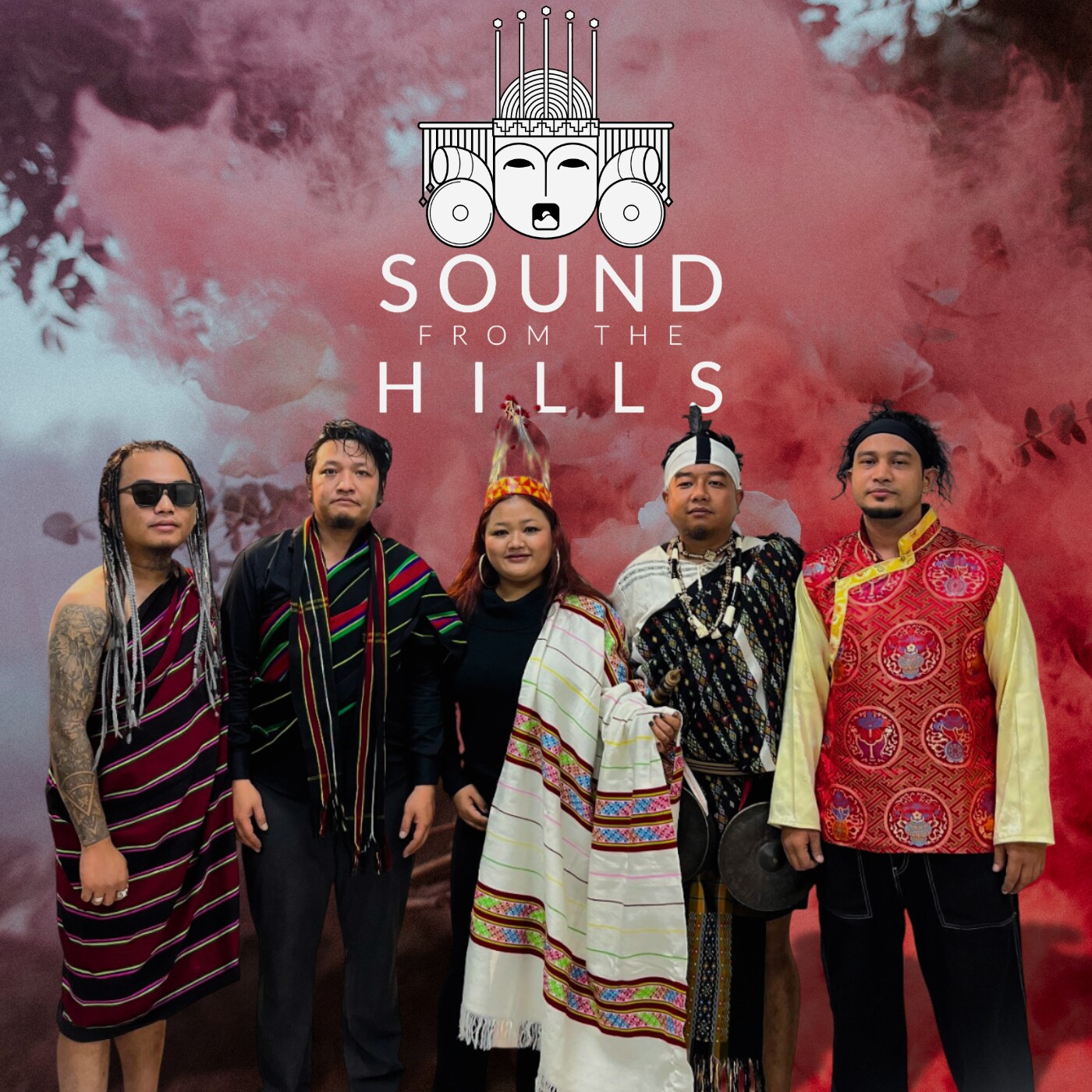
“It's emotional. We've seen Mizoram's scene grow from garage jams to festival stages," says Boomarang, performing as Sounds From The Hill at this year's festival. “For us, Soundscapes of India is both a homecoming and a step forward. After years in the indie circuit, being spotlighted alongside new voices shows that the Northeast's music isn't a trend, it's a continuum.”
Boomarang is one of the finest rock-funk outfits from Mizoram, with politically charged lyrics which would remind one of Rage Against the Machine. Back in 2011, they had entered a contest to win the opening spot for metal titans Metallica when they had toured India.
The band is clear about their mission. “For us, global appeal doesn't mean losing our roots, it means amplifying them. We've always believed that Mizo culture, rhythms, and harmonies have a universal soul,” they explain.
“Soundscapes of India helps us do exactly that: celebrate where we come from while evolving into something the world can dance, think, and feel to."
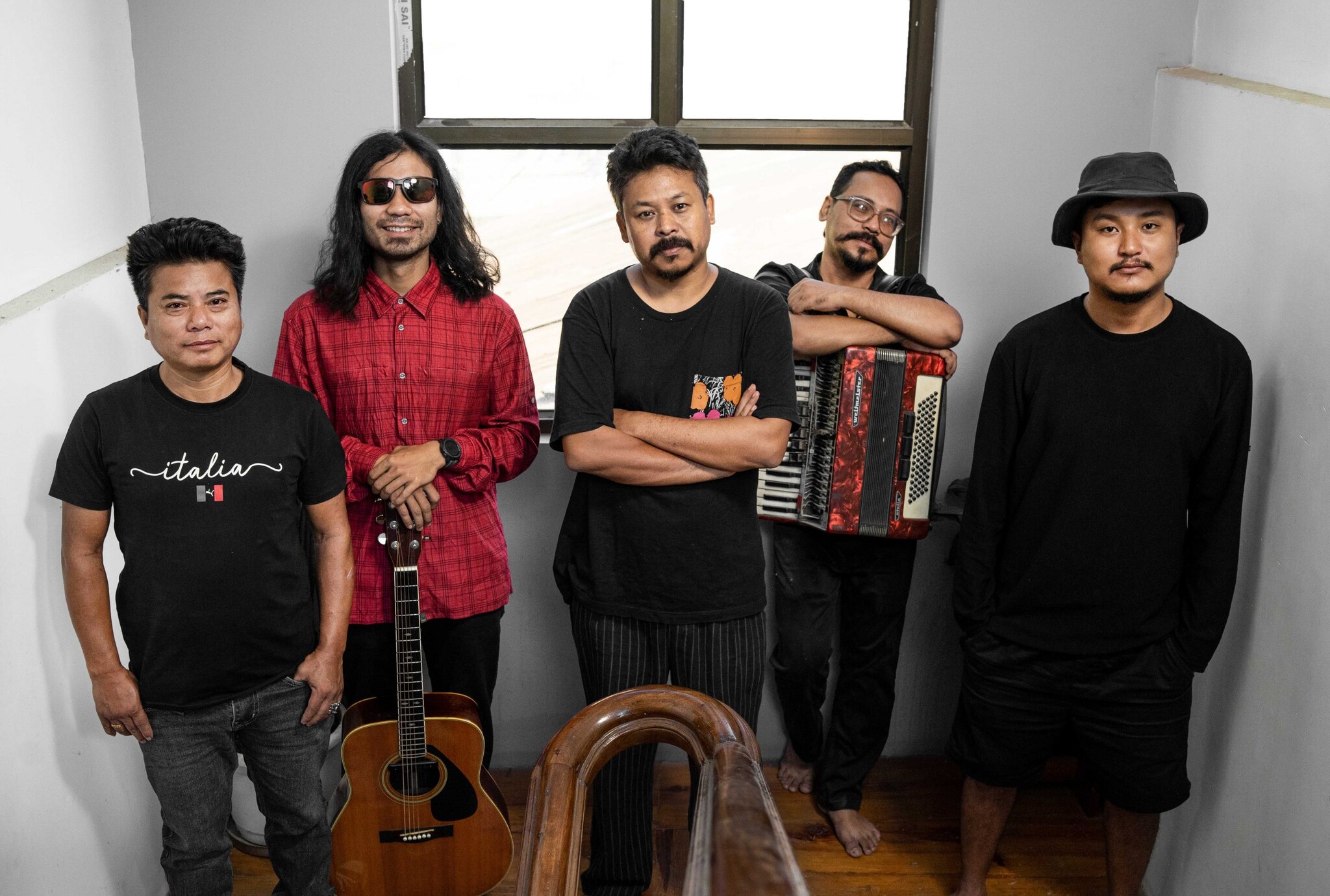
From Manipur, Imphal Talkies and The Howlers bring a different kind of urgency to the stage. “Our music comes from the ground conflict zones, armed forces act, human rights narratives," they say, adding. "On the Soundscapes of India stage, our stories meet listeners who may never have heard of Manipur. We want empathy — not pity — and recognition. Our music, belongs in the same playlist as any other Indian story."
Their advice to young artists from underrepresented regions is uncompromising: “Stay true to your voice. Don't change your language or your beat for someone else. Don't dilute your story to fit an audience's expectation. The world is ready for authenticity.” they assert. “When we started, people told us political songwriting wouldn't 'sell.' Today, it's what connects us to listeners from everywhere.”
The band elaborates on their approach: “We don't separate art from identity. We believe authenticity resonates more deeply than translation.”
Music as Dialogue across Borders
Rain in Sahara from Assam has long used music and art to push and amplify awareness and action.
“From the very beginning of Rain in Sahara, we've tried to use music and art as catalysts for awareness and action; whether that's speaking about the realities in our own communities or shining a light on global issues like climate change, inequality, and corruption,” the band says.
“Being part of Soundscapes of India has deepened that understanding even further. We are thrilled to have opened numerous doors to collaboration just from this event,” they add.
For them, there are countless stories from the Northeast that rarely make it to national stages, except for the few headlines on conflict or tragedy. “People often hear about conflict or the political headlines, but they don't hear enough about the resilience, the creativity and the quiet acts of courage that define everyday life in Assam and the wider Northeast. There are many incredible young people fighting for environmental justice, communities preserving languages and traditions that are thousands of years old,” they note.
“When we perform on a platform like this, it's not just our music that travels. It's the lived experiences of our region, and the raw honesty of a place that is often misunderstood or overlooked," Rain in Sahara says.
The band draws inspiration from regional pioneers, including the Assamese legend, the late Zubeen Garg, whom they credit for showing the way in how one goes beyond geographies without compromising on their roots. “Artists like Zubeen Garg showed an entire generation that you can be deeply rooted in your culture while still pushing boundaries and reaching people far beyond Assam," they say.

The Next Frontier
Looking ahead, the bands see a clear path forward: to a part of the bigger picture.
“The next frontier is visibility with purpose. Bands from the Northeast are no longer content being underground heroes; they're ready to be part of India's larger musical identity," Boomarang explains.
“The focus now is on creating professional ecosystems with better access to touring circuits, management, and rights awareness so that our musicians can build sustainable careers With Soundscapes of India bringing national and international festival directors together, the next chapter for us is about turning recognition into real representation on global stages," adds Boomarang.
Dutta frames the broader vision: “India's musical identity is incomplete without the Northeast. Our goal is to ensure that this diversity is not celebrated in isolation, but fully integrated into the country's creative economy."
For the artists who performed at Soundscapes of India this year, the festival represented more than a showcase. As Boomarang puts it, "Soundscapes of India offers a bridge between our homegrown sound and international promoters. It's a step towards making Mizoram a part of India's mainstream music map."
And as Imphal Talkies and The Howlers remind us, “Platforms like SOI are proving that raw truth travels, and open doors, but the key is that you walk through with your identity intact.”
Breaking through Structural Barriers
“The Northeast has always been musically rich — rhythm, melody, and storytelling are deeply woven into the fabric of its culture. What's missing is not talent, but access," explains Kaushik Dutta, Founder and Director of MusiConnect India, which organises the Soundscapes of India (SOI), in collaboration with Indian Performing Right Society (IPRS).
For too long, the infrastructure needed to take music beyond regional boundaries has remained fragmented, from the absence of formal representation in national festivals to limited connections with the global touring circuit. Soundscapes of India was created to address this gap systematically.
“It's not just about giving these artists a stage; it's about building an ecosystem around them — connecting them with international festival directors, curators, and booking agents so their sound can travel where it truly belongs," Dutta emphasises.
Kaushik Dutta, Founder-President of Music Connect India
The festival, whose second season recently concluded in the national capital, brought over 15 international festival directors and curators from prestigious platforms like Fira Mediterrania in Spain, Fuji Rock in Japan, and Amsterdam Roots in the Netherlands — not as guests, but as active collaborators who listen, discover, and select artists for their own global lineups.
The results speak for themselves. “Take Tāl Fry from Delhi last year. After performing at Soundscapes of India Season 1, they were invited to represent India at the prestigious Rainforest World Music Festival (RWMF) in Malaysia,” Dutta shares
Similarly, West Bengal's Baul Mon found their folk-fusion sound travelling beyond borders, connecting with international promoters drawn to their authentic storytelling and traditional Baul heritage reimagined for contemporary ears.
“For artists from the Northeast and other underrepresented regions, this is exactly the kind of bridge we're building where they can meet the right people, perform in front of decision-makers, and gain access to real opportunities. These partnerships turn exposure into outcomes, and presence into pathways,” he adds.
Beyond the Stage
The festival's impact extends far beyond just a stage and performance opportunities. “The biggest barrier is ecosystem disparity. Musicians from regions like the Northeast often work outside the formal music economy without access to professional management, industry mentorship, or even awareness of how publishing and rights work," Dutta explains.
At Soundscapes of India, multiple verticals work in tandem: artist education, mentoring sessions, business matchmaking, and direct exposure to international delegates.
“The festival isn't just a showcase: it's a structured talent pipeline. Artists are not just performing; they're learning how to pitch their music to global festival bookers, understand intellectual property frameworks, and form collaborations that last beyond the event. We want every performer to leave with actionable opportunities, not just applause,” says Dutta.
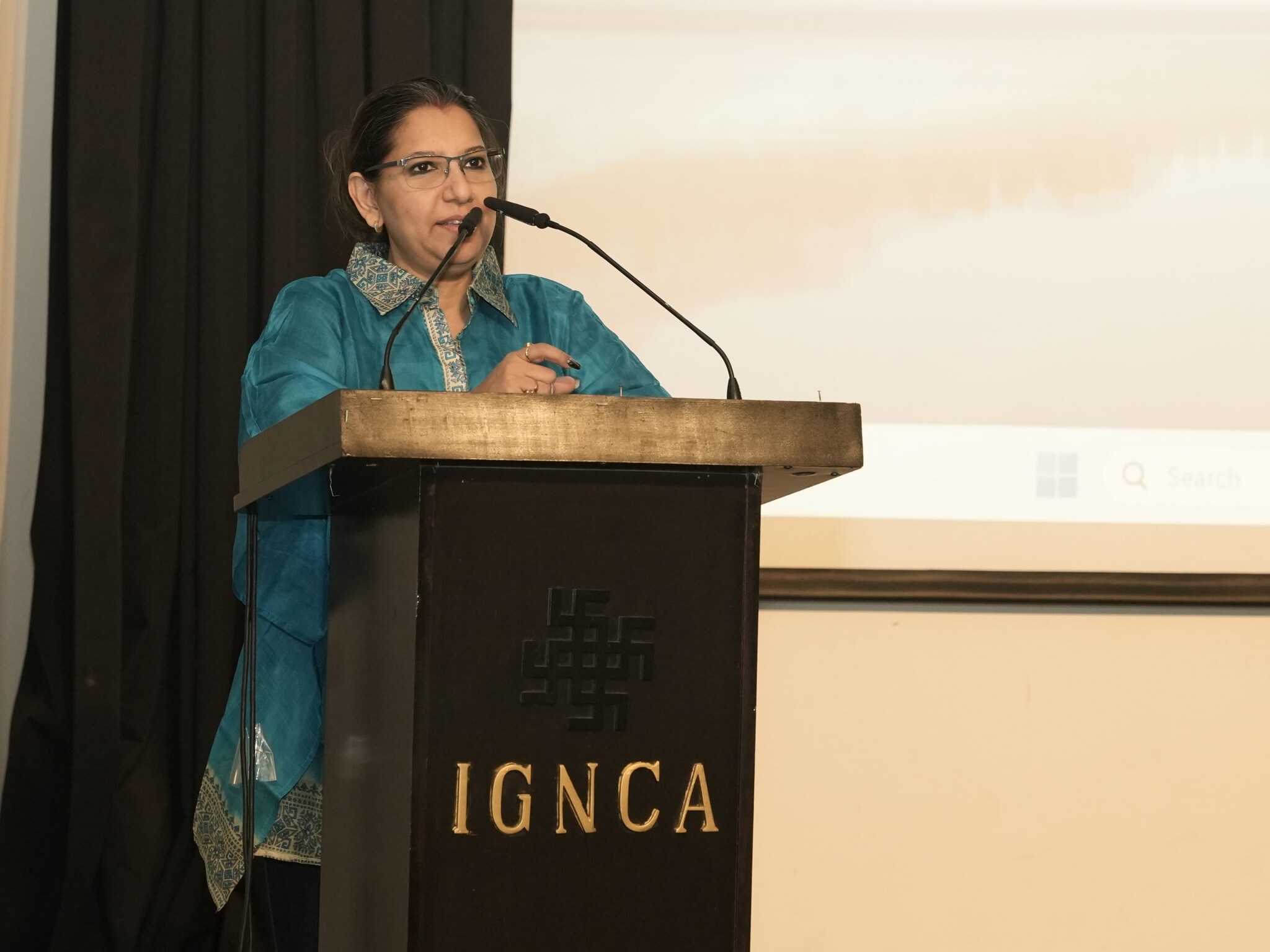
Rumpa Banerjee, GM of Corporate Communications and Member Relations at IPRS, on the other hand emphasises the importance of intellectual property education.
“Our first responsibility is to turn awareness into action," she says, highlighting how IPRS conducts on-ground membership drives, regional creator workshops, and mentorship programmes designed specifically for independent and grassroots artists.
“We demystify what rights management truly means so that every lyricist, composer, or publisher knows how their work generates revenue across platforms and regions. The goal is clear: artists shouldn't just perform; they should profit and prosper from their creations,” Banerjee explains.
This year's festival featured a fireside chat titled 'IP in Action: Protecting, Promoting, and Profiting from Intellectual Property,' bringing together legal and intellectual property experts to decode practical aspects of safeguarding creative works.
Rumpa Banerjee, IPRS
The festival also included a new Breakout Stage designed to give emerging artists additional performance opportunities beyond the 23 curated showcases spread over three days.
Voices from the Ground
For the artists themselves, the platform represents both validation and transformation.
“It's emotional. We've seen Mizoram's scene grow from garage jams to festival stages," says Boomarang, performing as Sounds From The Hill at this year's festival. “For us, Soundscapes of India is both a homecoming and a step forward. After years in the indie circuit, being spotlighted alongside new voices shows that the Northeast's music isn't a trend, it's a continuum.”
Boomarang is one of the finest rock-funk outfits from Mizoram, with politically charged lyrics which would remind one of Rage Against the Machine. Back in 2011, they had entered a contest to win the opening spot for metal titans Metallica when they had toured India.
The band is clear about their mission. “For us, global appeal doesn't mean losing our roots, it means amplifying them. We've always believed that Mizo culture, rhythms, and harmonies have a universal soul,” they explain.
“Soundscapes of India helps us do exactly that: celebrate where we come from while evolving into something the world can dance, think, and feel to."
Boomarang/Sounds from Hills
From Manipur, Imphal Talkies and The Howlers bring a different kind of urgency to the stage. “Our music comes from the ground conflict zones, armed forces act, human rights narratives," they say, adding. "On the Soundscapes of India stage, our stories meet listeners who may never have heard of Manipur. We want empathy — not pity — and recognition. Our music, belongs in the same playlist as any other Indian story."
Their advice to young artists from underrepresented regions is uncompromising: “Stay true to your voice. Don't change your language or your beat for someone else. Don't dilute your story to fit an audience's expectation. The world is ready for authenticity.” they assert. “When we started, people told us political songwriting wouldn't 'sell.' Today, it's what connects us to listeners from everywhere.”
The band elaborates on their approach: “We don't separate art from identity. We believe authenticity resonates more deeply than translation.”
The Imphal Talkies and the Howlers
Music as Dialogue across Borders
Rain in Sahara from Assam has long used music and art to push and amplify awareness and action.
“From the very beginning of Rain in Sahara, we've tried to use music and art as catalysts for awareness and action; whether that's speaking about the realities in our own communities or shining a light on global issues like climate change, inequality, and corruption,” the band says.
“Being part of Soundscapes of India has deepened that understanding even further. We are thrilled to have opened numerous doors to collaboration just from this event,” they add.
For them, there are countless stories from the Northeast that rarely make it to national stages, except for the few headlines on conflict or tragedy. “People often hear about conflict or the political headlines, but they don't hear enough about the resilience, the creativity and the quiet acts of courage that define everyday life in Assam and the wider Northeast. There are many incredible young people fighting for environmental justice, communities preserving languages and traditions that are thousands of years old,” they note.
“When we perform on a platform like this, it's not just our music that travels. It's the lived experiences of our region, and the raw honesty of a place that is often misunderstood or overlooked," Rain in Sahara says.
The band draws inspiration from regional pioneers, including the Assamese legend, the late Zubeen Garg, whom they credit for showing the way in how one goes beyond geographies without compromising on their roots. “Artists like Zubeen Garg showed an entire generation that you can be deeply rooted in your culture while still pushing boundaries and reaching people far beyond Assam," they say.
Rain in Sahara
The Next Frontier
Looking ahead, the bands see a clear path forward: to a part of the bigger picture.
“The next frontier is visibility with purpose. Bands from the Northeast are no longer content being underground heroes; they're ready to be part of India's larger musical identity," Boomarang explains.
“The focus now is on creating professional ecosystems with better access to touring circuits, management, and rights awareness so that our musicians can build sustainable careers With Soundscapes of India bringing national and international festival directors together, the next chapter for us is about turning recognition into real representation on global stages," adds Boomarang.
Dutta frames the broader vision: “India's musical identity is incomplete without the Northeast. Our goal is to ensure that this diversity is not celebrated in isolation, but fully integrated into the country's creative economy."
For the artists who performed at Soundscapes of India this year, the festival represented more than a showcase. As Boomarang puts it, "Soundscapes of India offers a bridge between our homegrown sound and international promoters. It's a step towards making Mizoram a part of India's mainstream music map."
And as Imphal Talkies and The Howlers remind us, “Platforms like SOI are proving that raw truth travels, and open doors, but the key is that you walk through with your identity intact.”
/images/ppid_a911dc6a-image-17710264327998831.webp)

/images/ppid_a911dc6a-image-177102646607765106.webp)