





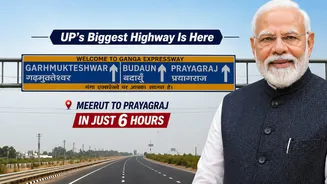
A New Era of Travel
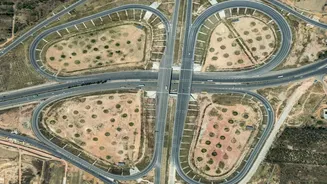
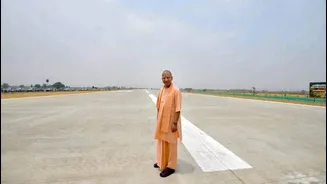
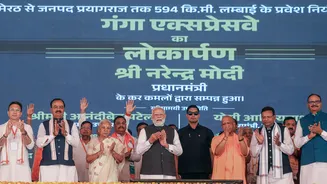
Uttar Pradesh has witnessed the inauguration of a colossal infrastructure project, the Ganga Expressway. This nearly 600-kilometer corridor, a significant
investment of Rs 362 billion, spans across 12 districts of the state, marking a pivotal moment for its connectivity. Officially launched, this six-lane highway, with provisions for expansion to eight lanes, is engineered to facilitate swift and efficient transit between the western city of Meerut and the eastern hub of Prayagraj. The journey, which previously demanded a considerable 10 to 12 hours, will now be accomplished in approximately six hours. This drastic reduction in travel time is poised to revolutionize both personal commutes and the transportation of goods, fostering greater economic activity and accessibility throughout the state.
Economic Catalysts Unveiled
Beyond simply cutting down travel durations, the Ganga Expressway is envisioned as a powerful engine for broader economic expansion. Industry experts highlight its potential to foster development in numerous emerging micro-markets along its extensive route, thereby stimulating growth in the real estate sector. The project's design, featuring controlled access and streamlined tolling systems, is expected to enhance the overall efficiency of the corridor, making long-distance travel more predictable and reliable. This ambitious undertaking is seen as a testament to India's forward-thinking approach to road infrastructure, promising to serve as a crucial backbone for the establishment of new industrial and logistics centers, and spurring regional progress, particularly in smaller urban areas.
Real Estate Boom Ahead
The enhanced connectivity provided by the Ganga Expressway is already generating palpable excitement within the real estate sector. Developers anticipate substantial property value appreciation in areas directly benefiting from the corridor. For instance, Prayagraj is projected to experience a 20–30 per cent increase in property values over the next three to five years, partly fueled by improved access and government initiatives for temple town development. Similarly, cities like Meerut and Greater Noida are expected to see 30–40 per cent appreciation as connectivity improves, especially with proximity to the upcoming Noida International Airport. This infrastructure development is also influencing buyer preferences, enabling individuals to consider more affordable housing options in slightly more distant locations, thus bolstering demand in the affordable and mid-income housing segments. Tier-II cities like Meerut are anticipated to witness more organized real estate activity, with medium-term price increases of 25–35 per cent as development intensifies.
National Infrastructure Vision
The Ganga Expressway is a significant component of India's larger strategy to bolster infrastructure following the global pandemic. This commitment to infrastructure development is underscored by a substantial allocation of Rs 12.2 trillion in the latest national budget, with a strong emphasis on roads, railways, and logistics. The government's focus is on creating robust networks that will support sustained economic growth and improve the overall quality of life for its citizens. This massive investment signifies a dedication to modernizing the nation's physical framework, aiming to create a more integrated and efficient economy capable of competing on a global scale and enhancing domestic mobility and trade.