








Energy Diversification Strategy
India is actively recalibrating its energy procurement strategies, notably scaling back its acquisition of oil from Russia. This strategic pivot is accompanied
by an intensified focus on sourcing energy from the United States and other alternative suppliers. This development is a significant component of the burgeoning trade relationship between the US and India. United States Trade Representative Jamieson Greer highlighted this transition, indicating that New Delhi has already commenced reducing its Russian energy imports and simultaneously increasing its purchases from American and other global energy markets. This strategic shift is directly tied to broader trade negotiations, where the US is leveraging tariff relief and improved market access as incentives for India's energy diversification efforts and supply chain cooperation.
Trade Framework and Tariff Relief
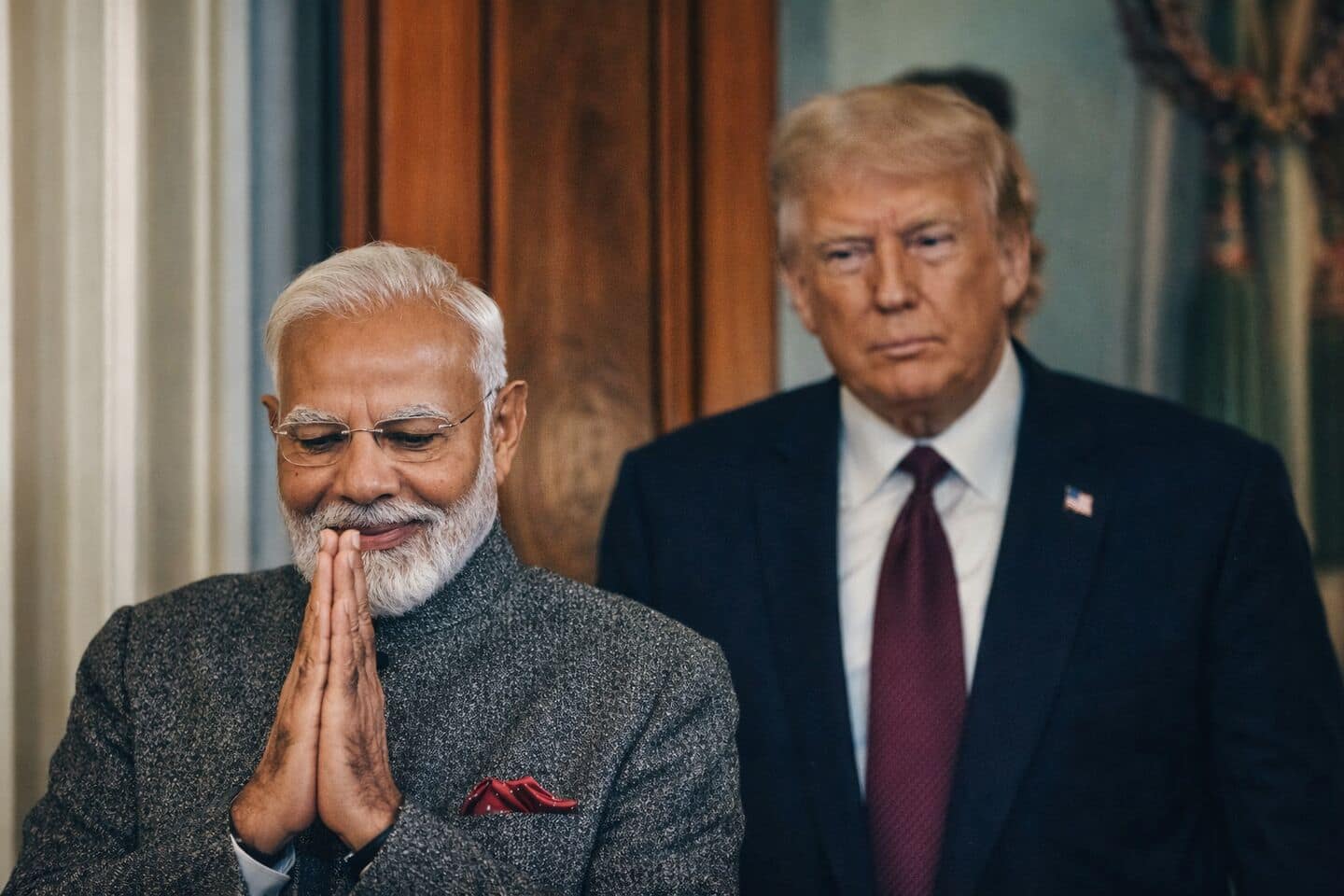
A recent high-level discussion between President Donald Trump and Prime Minister Narendra Modi has paved the way for an interim trade agreement, reinforcing the commitment to a more comprehensive US-India Bilateral Trade Agreement (BTA). In a significant move, President Trump agreed to lift the substantial 25% tariff on imports from India. This concession is explicitly in acknowledgment of India's pledge to cease acquiring oil from Russia. USTR Greer confirmed this shift, stating that India has indeed begun to decrease its purchases of Russian energy products and is actively increasing its intake of American energy and other global sources. It's noteworthy that prior to the 2022 conflict in Ukraine, India's procurement of Russian oil was minimal, with its increased reliance on Russian supplies largely a consequence of discounted oil availability driven by the war.
Economic Repercussions and Supply Chains
The implications of India's energy diversification extend beyond oil imports, influencing broader economic policies and supply chain dynamics. India's actions include the reduction or elimination of certain digital services taxes and a downward adjustment of tariffs on various goods. These economic reforms are viewed as crucial steps that will have a lasting impact on the bilateral trade relationship for years to come. Furthermore, as American businesses explore alternatives to manufacturing in China, India is being eyed as a potential hub for supply chains. With its substantial manufacturing capabilities and workforce, India can serve as a viable sourcing destination, provided the trade relationship remains balanced and fair. This strategic realignment aims to benefit both nations, with a focus on prioritizing American workers and manufacturing while fostering equitable international trade.