






The Reactive Health Trap
A significant hurdle in promoting preventive healthcare across India stems from a deeply ingrained tendency to seek medical attention only when overt symptoms
manifest. Many individuals perceive routine check-ups as an unnecessary expense or effort when they feel perfectly healthy. This 'wait-and-see' approach, while common, often leads to the delayed identification of serious conditions like diabetes, hypertension, and heart disease. These diseases, if caught in their nascent stages, could be managed more effectively and with less strain on both the patient and the healthcare system. Experts highlight that this reactive mindset, coupled with a lack of visible illness, creates a false sense of security, allowing underlying physiological stress to accumulate unnoticed, eventually culminating in more severe health crises that could have been averted with timely preventive measures and regular screenings.
Cost, Culture, and Complacency
Financial considerations often play a pivotal role in the reluctance to undergo preventive check-ups. For many Indian households, healthcare expenditure is typically triggered by actual illness, with screenings viewed as a discretionary cost rather than a vital investment in long-term well-being. The immediate, tangible benefits of a preventive screening are not always apparent, making it difficult to justify the expenditure when no immediate health issue is present. Compounding this is a cultural perception that associates hospitals primarily with sickness, fostering a psychological barrier to visiting them for non-emergency reasons. This fear of potentially discovering an ailment can lead to avoidance, ultimately delaying the diagnosis of critical conditions. Furthermore, in urban settings, the fast-paced, 'high-functioning' lifestyle, characterized by long working hours and constant connectivity, creates a misleading sense of robust health, masking internal stressors and making individuals complacent about the subtle signals their bodies might be sending.
Bridging the Knowledge Gap
A significant challenge contributing to the low uptake of preventive healthcare in India is a pervasive lack of awareness and health literacy. Many individuals are not fully informed about the recommended screening schedules for various age groups and risk factors, nor do they fully grasp the critical importance of early detection for managing diseases. The concept of proactive health measures simply hasn't become a common topic of discussion in everyday life, whether within families or in discussions with primary healthcare providers. This knowledge deficit means that even when screenings are accessible, people may not know what to ask for or why it's important. Experts emphasize the need to integrate preventive health education into mainstream conversations and primary care settings to empower individuals with the knowledge necessary to prioritize their long-term health and make informed decisions about regular check-ups and lifestyle modifications.
The Path to Proactive Health
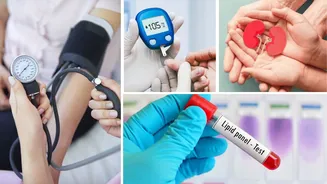
Experts strongly advocate for a fundamental shift from reactive treatment to proactive prevention, highlighting that early detection is paramount for saving lives and improving health outcomes. Regular screenings allow for timely interventions, effectively reducing complications and enhancing treatment success rates. Moreover, consistent monitoring helps individuals manage escalating risk factors such as elevated blood pressure, blood sugar levels, and cholesterol before they evolve into serious health problems. On a broader scale, widespread adoption of preventive care can alleviate the long-term strain on India's healthcare infrastructure. The journey towards better health, as suggested by Dr. Mahesh Kumar J M, begins with simple, everyday habits like taking work breaks, mindful eating, setting digital boundaries, and prioritizing quality sleep. He proposes a structured screening approach, including monthly tracking of blood pressure and BMI, alongside annual tests for HbA1c, lipid profiles, thyroid function, and Vitamin D and B12 levels, emphasizing that these regular check-ups should be considered essential, not optional.