




Record Investment Announced
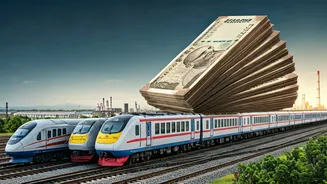
The Railway Budget for the year 2026 marked a pivotal moment for Indian Railways, as it secured a monumental capital expenditure allocation. A remarkable
sum of ₹2.93 lakh crore was earmarked for the advancement and modernization of the railway network. This financial commitment demonstrated a substantial increase from the preceding year's figure of ₹2.78 lakh crore. The increase underscored the government's resolve to augment the infrastructure of Indian Railways, paving the way for enhancements across various facets, from track upgrades to passenger facilities and technological integration. This monumental investment will act as the cornerstone for transformative changes within the sector.
Financial Growth Trajectory
This unprecedented allocation underscored the sustained financial growth trajectory of Indian Railways. The rise from the previous year’s capex of ₹2.78 lakh crore indicated a concrete upward trend in the financial support provided to the railway sector. This increase was not merely a budgetary adjustment but a strategic investment that supported the nation's infrastructural backbone. The enhanced capex served as a vital mechanism, enabling a wider scope of activities. It included modernization of signaling systems, expansion of track networks, and the introduction of advanced passenger amenities. This ambitious financial backing would enable Indian Railways to execute its long-term strategic plans effectively.
Strategic Implications Unveiled
The strategic implications of the ₹2.93 lakh crore capex were far-reaching. This financial infusion facilitated a multi-pronged approach to revamping the railway system. Investment would go into critical areas. These included the enhancement of safety measures, like the implementation of advanced signaling technologies, and bolstering overall operational efficiency. Moreover, the allocation fueled capacity enhancement projects like track doubling and electrification to expand the network's reach. Passenger experience also received considerable attention, with funds directed towards improved station facilities and modern train amenities. Overall, this significant investment reinforced Indian Railways' commitment to its modernization agenda.
Infrastructure Modernization Focus
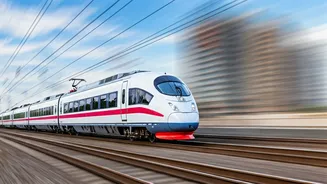
A core aspect of the 2026 Railway Budget's strategy was focused on infrastructural modernization. A significant portion of the capital expenditure was intended to accelerate the upgrade and expansion of railway infrastructure across India. This involved projects like the construction of new lines to connect remote regions, the strengthening of existing tracks, and the implementation of high-speed rail corridors. By improving infrastructure, the Indian Railways aimed to reduce travel times, boost safety, and elevate the overall efficiency of its operations. These projects demonstrated the commitment of the government towards a future-ready railway system, capable of meeting the growing demands of India’s burgeoning economy and population.
Passenger Experience Improvements
Alongside infrastructural upgrades, a considerable segment of the ₹2.93 lakh crore capex was dedicated to enhancing passenger experience. This involved a wide array of initiatives, from renovating and modernizing railway stations to introducing advanced passenger amenities on trains. Passengers would benefit from cleaner, more comfortable waiting areas, better Wi-Fi connectivity, and improved hygiene facilities. Additionally, the investment focused on the implementation of user-friendly digital platforms that gave real-time information and simplified booking and support services. These improvements underscored the commitment to putting passengers first by creating a more pleasant and efficient travel experience.
Impact on Economic Growth
The substantial capital expenditure announced for Indian Railways was projected to have a positive impact on economic growth. Large-scale infrastructure projects have the power to generate employment opportunities, both directly within the railway sector and indirectly in supporting industries. The construction of new lines and the modernization of existing infrastructure stimulate economic activity across different sectors, including construction, manufacturing, and logistics. Moreover, improved rail connectivity can enhance trade and commerce by enabling the rapid and efficient movement of goods and people. The investment, therefore, had the potential to drive sustainable economic growth, creating a ripple effect across various sectors of the Indian economy.
Future Outlook and Vision
The Railway Budget 2026 set a clear roadmap for the future of Indian Railways. The record capex reflected a long-term vision of transforming the railway system into a world-class network. The strategic plan included continued investment in technological advancements, sustainable practices, and enhanced passenger services. The government also emphasized the importance of public-private partnerships to leverage expertise and resources for realizing its ambitious goals. This forward-looking approach positions Indian Railways to become a critical engine of India’s economic growth, playing a vital role in national development and contributing to a brighter future for the country.