


A New Lifeline Unveiled
Prime Minister Narendra Modi has inaugurated the Ganga Expressway, a sprawling 594-kilometer corridor destined to dramatically reshape travel and commerce
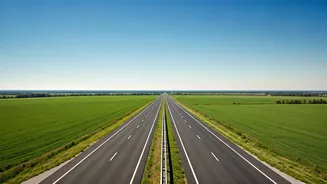
within Uttar Pradesh. This ambitious project, which saw its foundation stone laid in December 2021 and received state cabinet approval in 2020, stretches from Bijoli village in Meerut to Judapur Dandu village near Prayagraj. Designed as a six-lane, access-controlled route with provisions for future expansion to eight lanes, it represents a significant leap in infrastructure development. The Uttar Pradesh Expressways Industrial Development Authority is spearheading this monumental undertaking, with an estimated investment of ₹36,230 crore, positioning it as India's longest greenfield expressway. Its strategic alignment ensures it traverses a remarkable 12 districts, including Meerut, Hapur, Bulandshahr, Amroha, Sambhal, Badaun, Shahjahanpur, Hardoi, Unnao, Raebareli, Pratapgarh, and Prayagraj, linking an impressive 519 villages and generally following the course of the sacred Ganga River.
Transforming Journey Times
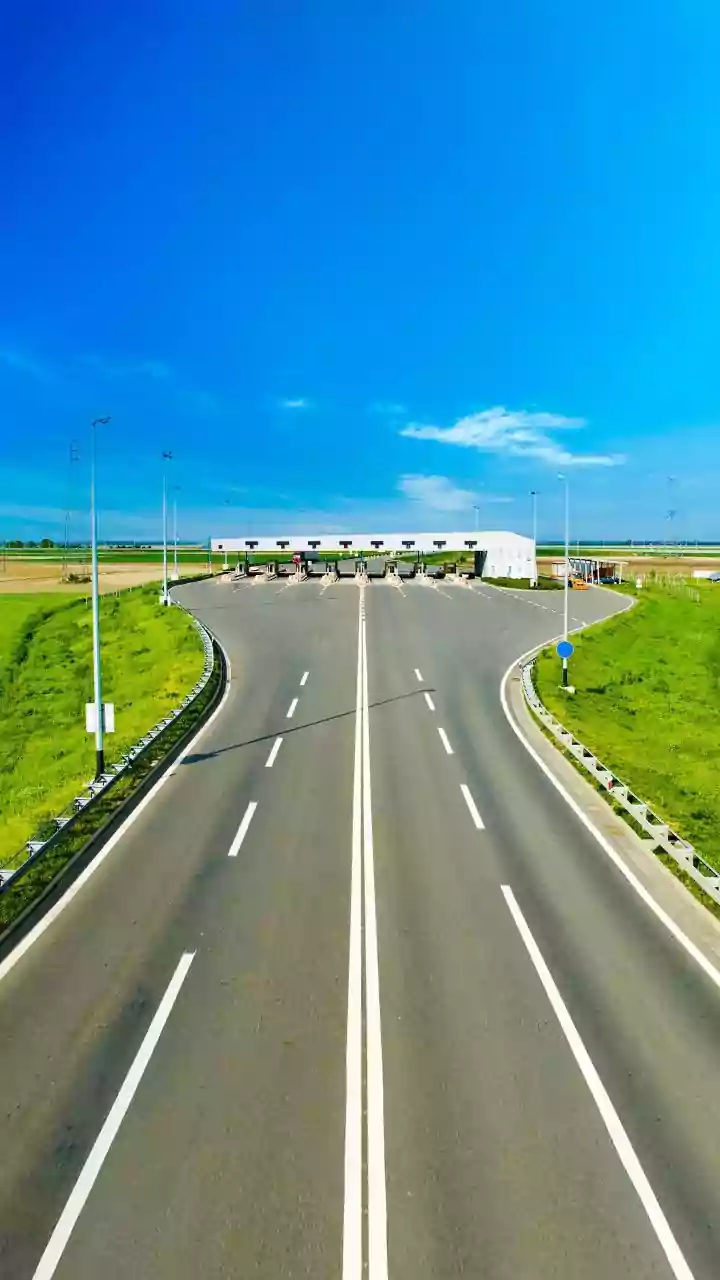
The Ganga Expressway promises to slash travel time between Meerut and Prayagraj from the current arduous 10–12 hours to a significantly more manageable 6–7 hours. This dramatic reduction is poised to revolutionize passenger transit and expedite the movement of goods, thereby bolstering economic activity. A truly unique feature integrated into this project is a 3.5-kilometer emergency airstrip near Shahjahanpur, engineered to serve the Indian Air Force. This critical infrastructure element underwent successful testing with fighter and transport aircraft in May 2025, underscoring its dual-purpose utility. For motorists, the anticipated toll rate is approximately ₹2.55 per kilometer, translating to an estimated ₹1,500 for the entire journey. The collection of tolls will be strictly managed through FASTag, ensuring a seamless and efficient payment process for all users.
Economic Catalyst Unleased
Beyond its impact on travel, the Ganga Expressway is anticipated to be a potent engine for economic growth and industrial expansion. By significantly reducing transit times and fuel consumption, it is expected to lower logistics costs across the board. This enhanced efficiency is projected to stimulate trade, attract new investments, and foster industrial development along its extensive route, creating numerous employment opportunities and supporting the establishment of new industrial clusters. Farmers are set to be major beneficiaries, gaining faster access to markets, particularly for perishable produce. This improved connectivity will help minimize spoilage and allow for better price realization, enhancing agricultural livelihoods. Ultimately, the expressway will forge a stronger economic link between western Uttar Pradesh, the National Capital Region, and the eastern districts, optimizing supply chains across the state.
Connectivity and Tourism Boost
With the operationalization of the Ganga Expressway, Uttar Pradesh's share of India's total expressway network is projected to climb from its current substantial 55% to nearly 60%. This development is part of a broader, sustained effort under Chief Minister Yogi Adityanath to bolster the state's road infrastructure, building upon previous successes like the Purvanchal and Bundelkhand expressways. The enhanced connectivity directly to Prayagraj and other significant cultural and religious centers is expected to provide a significant impetus to tourism. This will not only benefit visitors seeking spiritual and cultural experiences but also stimulate local businesses and economies in the regions touched by this vital new corridor.