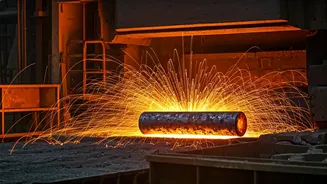

Steel's Sweet Spot
The India-EU FTA places Indian steel in a favorable position. As the EU prepares to implement a carbon tax, this agreement provides a competitive edge
for Indian steel producers. The FTA facilitates access to the EU market, and reduces barriers to trade. The EU's carbon tax, a measure to combat climate change, could increase the costs of steel imports for those who do not have similar carbon emission reduction policies in place. With the FTA, India's steel industry can navigate these changes more effectively. Therefore, the FTA helps Indian steelmakers compete more effectively by addressing the carbon tax issue. The agreement's focus on sustainable trade practices positions Indian steel favorably in the European market, as the EU is focused on green and environmentally friendly products and processes.
Market Access Expansion
The India-EU FTA is instrumental in expanding market access for Indian businesses. By opening doors to the EU, which has a market value of $45 trillion, the agreement offers significant growth opportunities. This access covers various sectors, including services, enabling Indian companies to reach a wider customer base. The FTA will boost exports and attract foreign investment. The agreement helps Indian companies by reducing tariffs and trade barriers. It also creates a favorable environment for Indian businesses to connect with the EU's vast consumer base and industrial network. Consequently, the FTA is a key driver for India's economic growth through enhanced trade and investment opportunities.
Boosting Investments, Mobility
The India-EU FTA is poised to stimulate investments and talent mobility between India and the EU. This involves encouraging European companies to invest in India, which in turn fuels job creation and technological advancements. The FTA also simplifies the movement of skilled professionals between India and Europe. This fosters knowledge sharing and collaboration, leading to innovation and economic development. The mobility of talent is a crucial component of modern trade agreements. This helps to boost competitiveness by integrating Indian professionals into the global economy. By streamlining the processes for investments and talent exchanges, the FTA enhances the economic ties between India and the EU.
Car Prices Unchanged
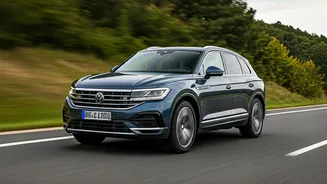
While the India-EU FTA presents numerous benefits, it's not expected to significantly reduce the prices of certain imported goods, such as Audi cars, in India. Most Audi models sold in India are already manufactured locally. Therefore, the FTA's impact on these particular products will be limited. The focus of the FTA is primarily on broader economic advantages, like steel exports and increased market access, rather than immediate price reductions of specific luxury items. This highlights that the agreement aims for comprehensive benefits across sectors rather than concentrating on individual consumer goods. This approach ensures a balanced and sustainable economic impact.