







Price Revolution Arrives
The landscape of obesity and diabetes medication in India is on the brink of a seismic price alteration, driven by the expiration of patents for semaglutide,
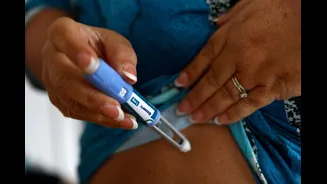
the active ingredient in highly sought-after drugs. This development paves the way for generic manufacturers to introduce their versions at considerably lower price points. For instance, one prominent pharmaceutical company, Natco Pharma, is set to launch a semaglutide injection with a starting price of just ₹1,290. This introductory cost represents one of the most affordable entry points for this potent compound. Furthermore, the associated pen device is anticipated to be available around ₹4,500, a figure still significantly less than what patients currently pay for branded formulations. This dramatic price reduction is poised to democratize access to treatments that were previously out of reach for a large segment of the Indian population, especially in a market highly sensitive to cost.
Access Widens Dramatically
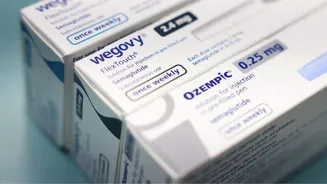
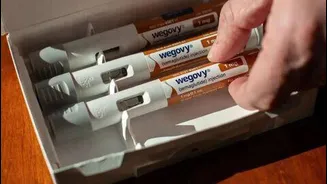
The impact of these impending generic launches extends far beyond mere cost savings; it signifies a monumental shift in accessibility. Until now, the substantial expense associated with GLP-1 receptor agonist therapies has been a major impediment for many individuals in India striving for effective long-term weight management. The introduction of more affordable generic alternatives is expected to broaden the treatment market exponentially. This increased affordability will not only benefit patients in major metropolitan areas but is also anticipated to reach those in smaller cities and towns, where price sensitivity is often even more pronounced. The sheer difference in cost—where branded Wegovy pens can start at approximately ₹10,480 in India—means that the initial wave of generic competition could make these life-changing treatments accessible to a vast number of people who were previously excluded due to financial constraints. This bodes well for public health initiatives aimed at tackling the growing obesity epidemic.
A Crowded Market Emerges
The impending arrival of generic semaglutide in India is not a solitary event but the harbinger of a fiercely competitive market. Following the patent expiry, a considerable number of major pharmaceutical companies, including notable names like Sun Pharma, Dr. Reddy’s Laboratories, and Lupin, are gearing up to enter the generic semaglutide arena. Market analysis suggests this field could become exceptionally crowded, with estimations pointing towards approximately 42 different drug manufacturers preparing to launch products under more than 50 distinct brand names within the current year. This anticipated surge in competition indicates a vigorous race for market share, where companies will need to strategically differentiate themselves. Beyond the core molecule, innovation in delivery systems, such as vials, pre-filled syringes, reusable pens, and single-use injectors, is also becoming a critical area of focus. These advancements aim to enhance affordability, convenience, and patient adherence, potentially becoming the key differentiators in a market where the primary active ingredient remains consistent across various brands.
India: A Global Test Case
As patent exclusivity for semaglutide wanes, India is emerging as a pivotal testing ground to observe the transformative effects of generic competition on drug pricing and accessibility. The dynamics unfolding in the Indian pharmaceutical market will serve as a crucial early indicator for similar scenarios anticipated in other significant global markets where patents are also set to expire. Countries like China, Brazil, and Turkey are among those that will closely watch India's experience. The swiftness with which prices can fall and the extent to which patient access can be broadened will provide invaluable insights into the future trajectory of one of the world's most dynamic and rapidly growing drug categories. This makes India's upcoming market evolution a compelling case study for pharmaceutical economics and public health policy worldwide, highlighting the potential for low-cost generics to reshape healthcare landscapes.