





Tariff Reduction Impact
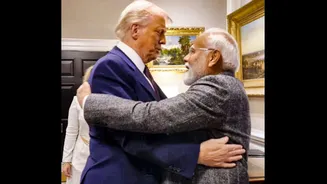
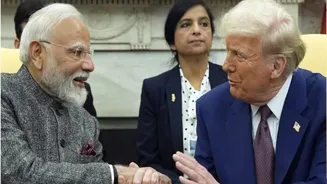
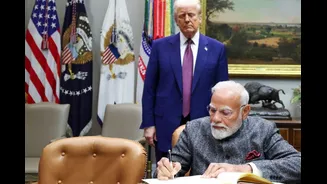
The recent decision by US President Donald Trump to substantially decrease tariffs on Indian goods, bringing them down to 18% from a previous high of 50%,
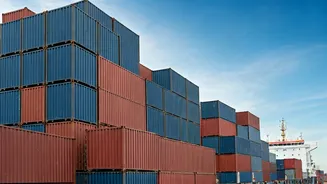
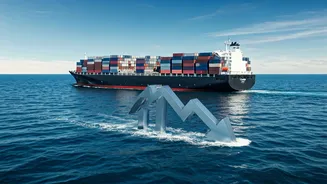
is poised to act as a powerful catalyst for India's export sector. Finance Minister Nirmala Sitharaman expressed optimism, anticipating a notable uptick in exports and a renewed competitive edge for Indian manufacturers. This reduction is particularly beneficial for sectors like steel, aluminum, textiles, engineering goods, and certain agricultural products, which were previously hampered by the elevated tariffs that increased landed costs and squeezed profit margins for exporters. The move is seen as a positive indicator for businesses looking to re-establish and expand their presence in the lucrative US market, potentially offsetting challenges encountered due to the previous trade barriers and finding new avenues for growth alongside existing markets.
Restored Competitiveness
The new 18% tariff rate is a strategic advantage for India, positioning its exports more favorably compared to key regional competitors like Vietnam and Bangladesh, who currently face duties of around 20%. This shift effectively restores India's price competitiveness in the US market, particularly for labor-intensive exports such as apparel, footwear, and jewelry. These industries were significantly impacted by the earlier punitive 50% tariffs imposed in August, which led to a sharp decline in competitiveness and disruptions in order flows. The reduction is expected to offer substantial relief to these sectors, potentially leading to an increase in demand and renewed manufacturing activity, thereby contributing to India's overall export performance and economic growth.
Broader Trade Implications
This tariff adjustment is part of a larger trade agreement where India has reportedly agreed to cease purchasing Russian oil, divert those purchases towards US and potentially Venezuelan oil, and reduce trade barriers with the United States. Specifically, the commitment to stop buying Russian oil negates an additional 25% punitive tariff, effectively bringing the applied tariff on Indian exports down to 18% from the previous 50%. Furthermore, the agreement may involve India committing to purchasing an incremental USD 500 billion in US energy, technology, agricultural, coal, and other products over the next five years. While specific details are still forthcoming, the reduction in tariffs is considered a significant positive development for Indian exporters, especially when combined with their efforts to explore and tap into new international markets following the previous trade impediments.