







What is the story about?
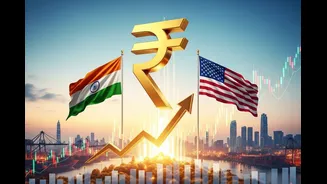
As 2025 draws to a close, India’s economy finds itself in an unusually comfortable zone—strong growth, easing inflation, and supportive policy settings. Whether this balance can hold through 2026, however, remains the central question as global risks and domestic transitions loom.
Indian economic growth is expected to remain resilient in 2026, supported by a combination of monetary and fiscal stimulus, according to Standard Chartered. In its report Outlook 2026: Ride the Recovery Wave, the bank said front-loaded repo rate cuts, large liquidity injections, income tax relief, and goods and services tax (GST) rate rationalisation are likely to revive domestic demand.
Standard Chartered argued that these measures should offset headwinds from US trade tariffs and a global growth slowdown. It expects consumer price inflation to remain below the Reserve Bank of India’s (RBI) 4% medium-term target, aided by modest crude oil prices, softer food inflation, and lower consumer prices following
GST cuts.
“In our assessment, policy remains supportive of growth in 2026,” the report said, citing 125 basis points of repo rate cuts, ₹10 trillion of liquidity infusion, and dollar-rupee swaps worth $16 billion. The bank expects a consumption-led recovery, with positive growth surprises possible in the months ahead.
Growth broadening as inflation cools
India’s GDP growth remained strong at 8% in the first half of FY26, compared with 6.4% in FY25. Standard Chartered expects growth to become more broad-based in 2026. Inflation eased sharply in 2025, averaging 2.3% till November, down from 4.9% last year, largely due to falling food prices.
Also Read: RBI repo rate decision and other top highlights from governor Sanjay Malhotra's press conference
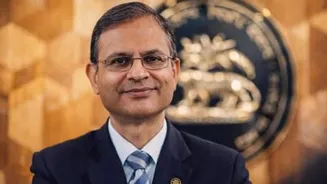
The RBI cut the repo rate by 125 basis points in 2025 to 5.25% and, in its December policy review, raised its FY26 growth forecast to 7.3% while lowering its inflation projection to 2%.
India stands out among global peers
CareEdge, in a separate report, said India’s growth is set to hold up better than most major economies in FY26, despite global uncertainties. It expects GDP growth of 7.5% in FY26 and 7% in FY27, well above the projected global average of 3.1% over the next five years.
CareEdge highlighted strong manufacturing and construction activity, benign inflation, lower interest rates, and a lighter tax burden as key supports. CPI inflation is projected at 2.1% in FY26, before normalising towards 4% in the following year.
Economists see moderation, not reversal
A CNBC-TV18 poll of economists suggests the supportive macro environment will largely persist in 2026, though at a slower pace. GDP growth is seen easing to 6.8%, with opinions split between those expecting growth above 7% and others pegging it closer to 6.5%.
Also Read: India’s Goldilocks economy faces softer glow in 2026: Growth, inflation and capital flows in focus
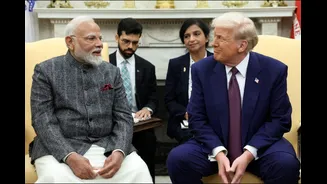
Inflation is expected to normalise to around 4% next year, up from 1.9% in 2025. Economists flagged two key risks: uncertainty around a potential India–US trade deal and the impact of new GDP and CPI series expected in February.
For now, India enters 2026 with solid fundamentals—but the durability of this phase will be tested as policy support gradually fades and global conditions remain uncertain.
Indian economic growth is expected to remain resilient in 2026, supported by a combination of monetary and fiscal stimulus, according to Standard Chartered. In its report Outlook 2026: Ride the Recovery Wave, the bank said front-loaded repo rate cuts, large liquidity injections, income tax relief, and goods and services tax (GST) rate rationalisation are likely to revive domestic demand.
Standard Chartered argued that these measures should offset headwinds from US trade tariffs and a global growth slowdown. It expects consumer price inflation to remain below the Reserve Bank of India’s (RBI) 4% medium-term target, aided by modest crude oil prices, softer food inflation, and lower consumer prices following
“In our assessment, policy remains supportive of growth in 2026,” the report said, citing 125 basis points of repo rate cuts, ₹10 trillion of liquidity infusion, and dollar-rupee swaps worth $16 billion. The bank expects a consumption-led recovery, with positive growth surprises possible in the months ahead.
Growth broadening as inflation cools
India’s GDP growth remained strong at 8% in the first half of FY26, compared with 6.4% in FY25. Standard Chartered expects growth to become more broad-based in 2026. Inflation eased sharply in 2025, averaging 2.3% till November, down from 4.9% last year, largely due to falling food prices.
Also Read: RBI repo rate decision and other top highlights from governor Sanjay Malhotra's press conference
The RBI cut the repo rate by 125 basis points in 2025 to 5.25% and, in its December policy review, raised its FY26 growth forecast to 7.3% while lowering its inflation projection to 2%.
India stands out among global peers
CareEdge, in a separate report, said India’s growth is set to hold up better than most major economies in FY26, despite global uncertainties. It expects GDP growth of 7.5% in FY26 and 7% in FY27, well above the projected global average of 3.1% over the next five years.
CareEdge highlighted strong manufacturing and construction activity, benign inflation, lower interest rates, and a lighter tax burden as key supports. CPI inflation is projected at 2.1% in FY26, before normalising towards 4% in the following year.
Economists see moderation, not reversal
A CNBC-TV18 poll of economists suggests the supportive macro environment will largely persist in 2026, though at a slower pace. GDP growth is seen easing to 6.8%, with opinions split between those expecting growth above 7% and others pegging it closer to 6.5%.
Also Read: India’s Goldilocks economy faces softer glow in 2026: Growth, inflation and capital flows in focus
Inflation is expected to normalise to around 4% next year, up from 1.9% in 2025. Economists flagged two key risks: uncertainty around a potential India–US trade deal and the impact of new GDP and CPI series expected in February.
For now, India enters 2026 with solid fundamentals—but the durability of this phase will be tested as policy support gradually fades and global conditions remain uncertain.