





On the back of three Free Trade Agreements (FTAs) signed in 2025, India is heading into 2026 with several trade talks on the agenda. Government sources
told CNBC-TV18 that Commerce Ministry officials are expected to meet their Israeli counterparts in January, when issues such as setting up a framework and gateway for market access will be discussed during pre-round negotiations with the West Asian country.
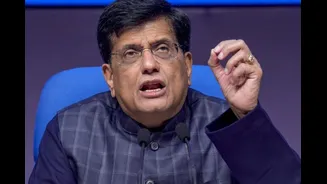
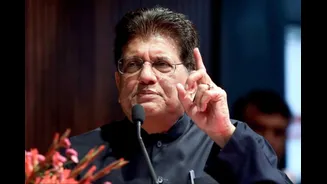
On November 20 in Tel Aviv, the two countries signed the Terms of Reference (ToR) to kick-start negotiations for an FTA. Commerce and Industry Minister Piyush Goyal had said the proposed agreement would cover market access and trade liberalisation, progressively eliminate tariff barriers, and reduce non-tariff barriers by fast-tracking approvals and improving market access. Discussions are expected to include investment, simplification of customs procedures, technology transfer, defence, space, fintech, agritech, artificial intelligence, cybersecurity, R&D, innovation, and drip irrigation. Highlighting gains for the services sector, including IT, tourism and BPO collaboration, the minister had said the FTA would create a bridge for skilled and qualified Indian professionals to work in Israel.
Government sources added that India’s negotiating team is expected to travel to Russia in February, after the Union Budget 2026, for the second round of negotiations on an FTA with the Russia-led Eurasian Economic Union (EAEU). Russia has already relaxed import requirements for Indian marine products and is learnt to be considering further easing. Sources said the talks would focus on reducing non-tariff barriers for Indian exports to the EAEU bloc. India also intends to address exporter concerns arising from regulatory overlaps between Russian, EAEU and European rules. Sources noted that New Delhi aims to bring clarity to labelling requirements for exports, particularly products requiring Russian-language labels on or within packaging.
On August 20, India and the EAEU signed the ToR in Moscow to formally launch FTA negotiations. The EAEU comprises Russia, Kazakhstan, Armenia, Belarus and Kyrgyzstan, with Cuba, Moldova and Uzbekistan holding observer status.