




What is the story about?
Crude oil prices are staging a rebound this morning after a wrong post by US Energy Secretary Chris Wright had sent prices tumbling overnight.
West Texas Intermediate, or the US Crude grade price jumped as much as 6.2% on resumption of trade to $88.59 per barrel after a 12% drop on Tuesday.
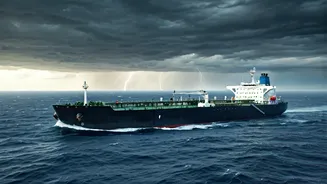
US Energy Secretary Chris Wright posted first on his "X" account that the US Navy had safely escorted an oil tanker through the Strait of Hormuz, a claim that the White House officially went on to deny. Wright later deleted the post.
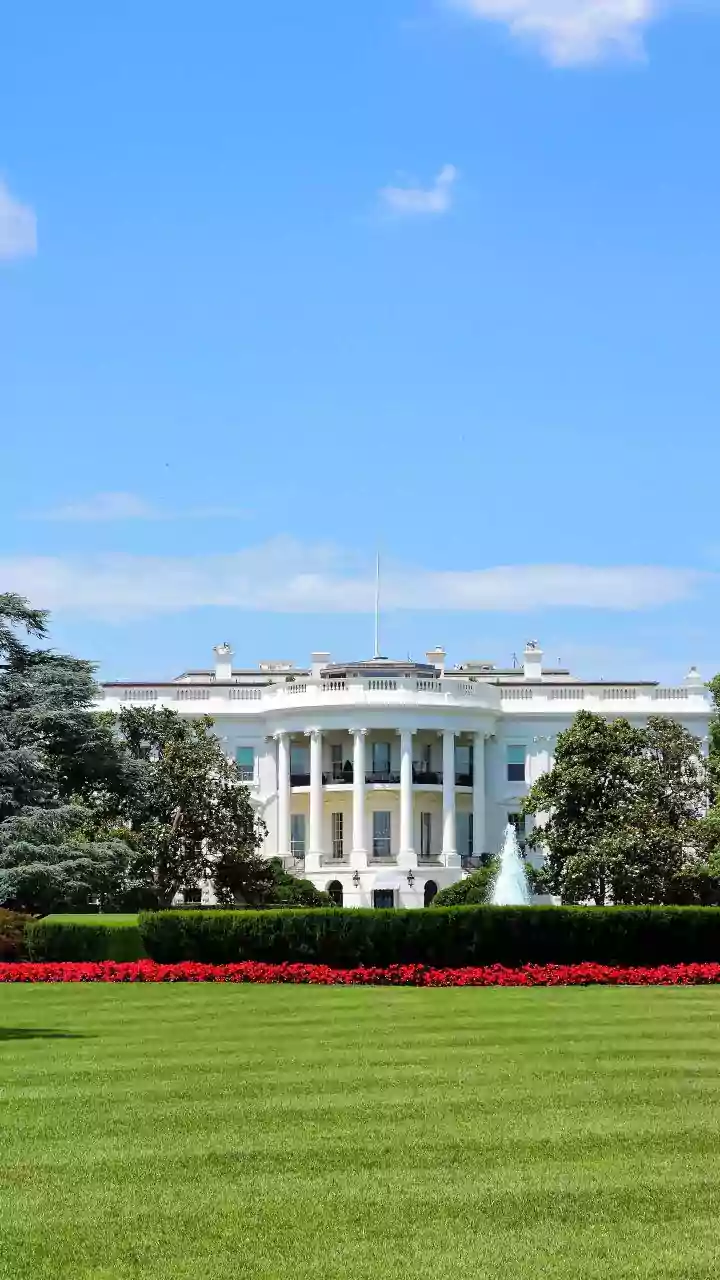
White House Press Secretary Karoline Leavitt told reporters that the US has not carried out such an operation but President Trump, Energy Secretary wright, and the team, continue to monitor the situation closely.
Prices have also been fluctuating on reports of the International Energy Agency (IEA) meeting to discuss releasing some emergency reserves in the market. The IEA has 30 member nations, mostly across America, Europe, and Northeast Asia. The IEA holds 1.2 billion barrels of emergency oil reserves, along with an additional 600 million barrels, held in industry stock under government obligations.
Sources told CNBC that the US is of the view of releasing between 300 million to 400 million barrels of emergency reserves, a figure it deems to be "appropriate."
President Trump also warned Iran against mining the Strait of Hormuz, reacting to reports that the Islamic nation has placed dozens of mines across the narrow Strait to prevent ships from transiting through the region.
“It very much feels like a market trading in the fog of war, reacting in real time as events unfold, rather than one moving in an orderly fashion,” said Rebecca Babin, a senior energy trader at CIBC Private Wealth Group. “Traders continue to get whipsawed by intense price action and extreme volatility in crude, with headlines driving sharp intraday swings.”
(With Inputs From Agencies)
West Texas Intermediate, or the US Crude grade price jumped as much as 6.2% on resumption of trade to $88.59 per barrel after a 12% drop on Tuesday.
US Energy Secretary Chris Wright posted first on his "X" account that the US Navy had safely escorted an oil tanker through the Strait of Hormuz, a claim that the White House officially went on to deny. Wright later deleted the post.
White House Press Secretary Karoline Leavitt told reporters that the US has not carried out such an operation but President Trump, Energy Secretary wright, and the team, continue to monitor the situation closely.
Prices have also been fluctuating on reports of the International Energy Agency (IEA) meeting to discuss releasing some emergency reserves in the market. The IEA has 30 member nations, mostly across America, Europe, and Northeast Asia. The IEA holds 1.2 billion barrels of emergency oil reserves, along with an additional 600 million barrels, held in industry stock under government obligations.
Sources told CNBC that the US is of the view of releasing between 300 million to 400 million barrels of emergency reserves, a figure it deems to be "appropriate."
President Trump also warned Iran against mining the Strait of Hormuz, reacting to reports that the Islamic nation has placed dozens of mines across the narrow Strait to prevent ships from transiting through the region.
“It very much feels like a market trading in the fog of war, reacting in real time as events unfold, rather than one moving in an orderly fashion,” said Rebecca Babin, a senior energy trader at CIBC Private Wealth Group. “Traders continue to get whipsawed by intense price action and extreme volatility in crude, with headlines driving sharp intraday swings.”
(With Inputs From Agencies)