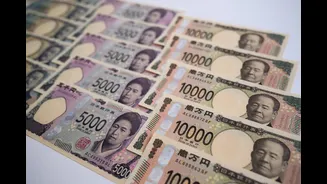

One of the nine board members stated during the two-day meeting that ended on December 19 that "Japan's real policy interest rate is by far at the lowest level globally," according to a report of the talks made public on Monday. Citing the effect of currency fluctuations on prices, the member stated, "It is appropriate for the Bank to adjust the degree of monetary accommodation."
The benchmark rate was increased by the board during the meeting to 0.75%, the highest level in thirty years. The summary's release coincides with markets looking for clues about when the bank could implement its next hike. According to the record, one member stated that the bank should temporarily modify policy at intervals of a few months, which is generally consistent with the median anticipation of BOJ watchers.
BOJ Governor Kazuo Ueda stated that it is challenging to identify the threshold at which the policy rate is considered neither stimulative nor restrictive during the news conference that followed the decision on December 19. According to a BOJ study, the neutral rate falls within a wide range of 1% to 2.5%.
Also Read: Ventive Hospitality shares worth over ₹8,700 crore to free up for trade as shareholder lock-in ends
According to the summary, other participants shared Ueda's opinions regarding the neutral rate, pointing out how challenging it is to determine the level. One suggested that the bank should read it with a great deal of leeway, while another suggested that it should maintain flexibility in its policy approach rather than aiming for a particular level.
Regarding the most recent decision, one member stated that since the chance of realising the economic outlook has grown, it is quite likely that the mechanism of growing wages and prices will be maintained. The impact of US tariffs, which had prompted the bank to halt its tightening actions earlier this year, can no longer be viewed as an unprecedented danger, according to another.
According to the account, several board members are also worried about the yen's decline, which is probably one of their concerns prior to the move on December 19. However, the summary revealed that the effects of foreign exchange patterns were addressed four times during this month's meetings, although the yen was expressly mentioned just once.
Due to Ueda's indications prior to the decision that criteria for reducing the level of monetary stimulus were being met, markets had essentially priced in the move earlier this month.