

Click here to read the full article.
Taco Bell has always known how to serve, offering up items such as nacho fries, the Cheesy Gordita Crunch and the Crunchwrap Supreme. Now the Yum Brands restaurant chain is working on its swing.
Taco Bell is the backer
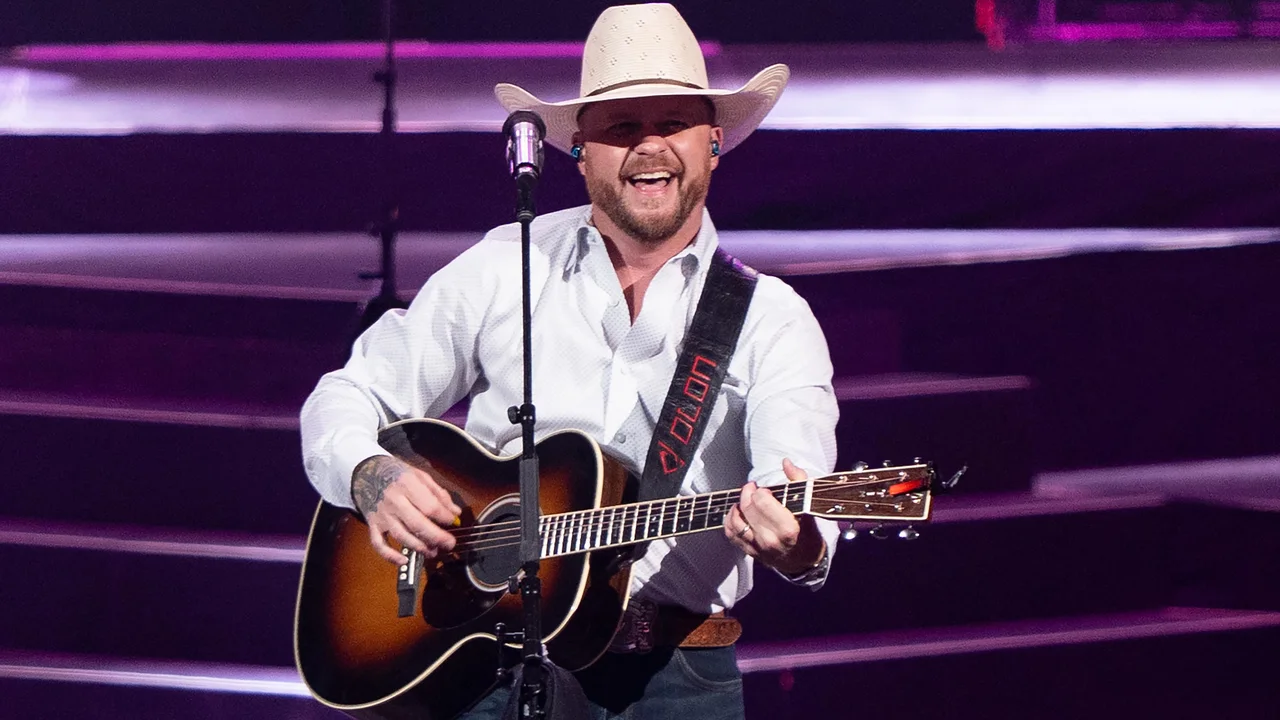
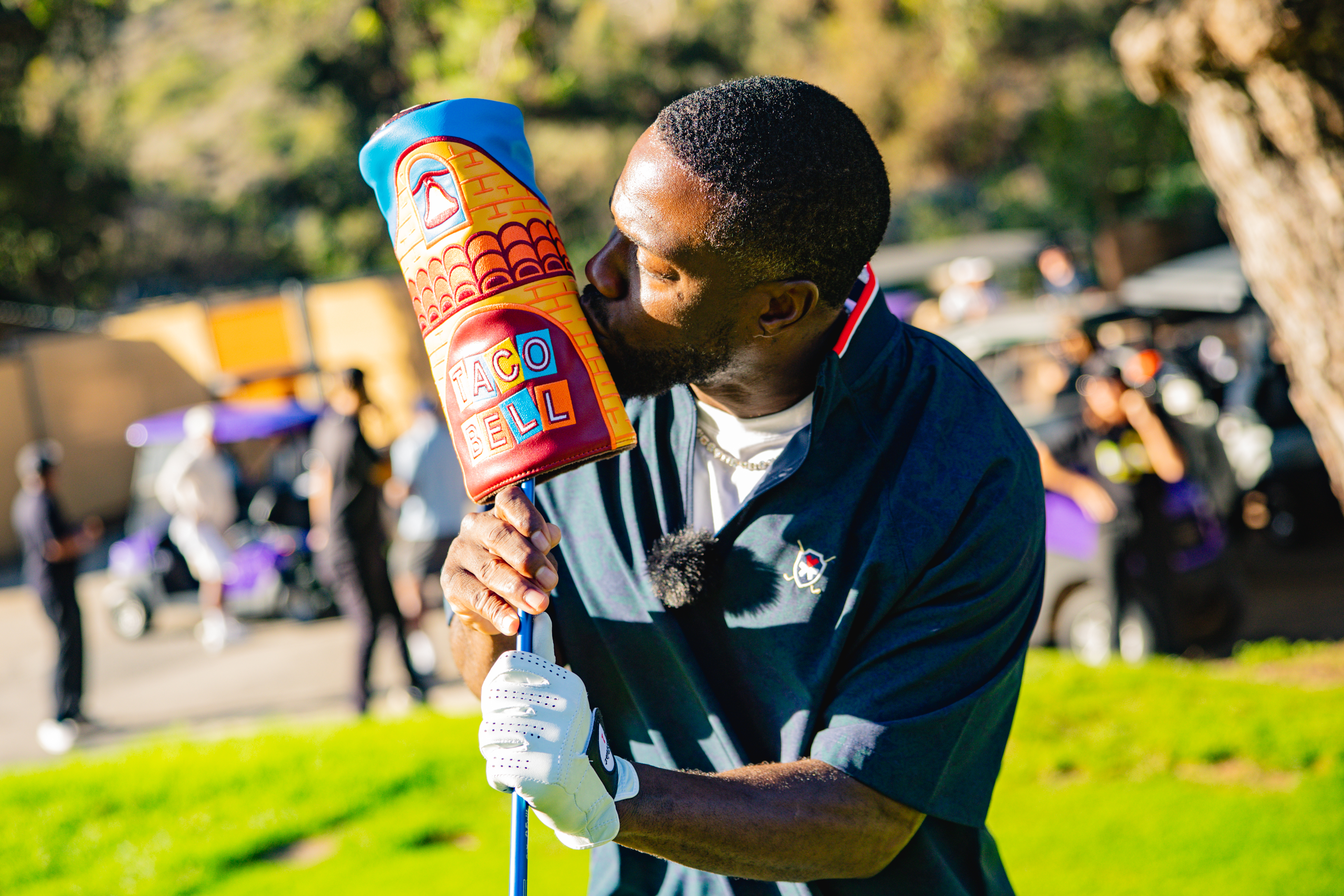
of the Live Más Open, a nine-hole golf tournament that brings together celebrities, professional athletes, creators and even some qualifying fans. The competition, which took place in Laguna Beach on November 2, will stream on NBCUniversal’s Peacock on November 20 and air on Versant’s Golf Channel.
Fast food restaurants typically buy ads on TV programs, but in this case Taco Bell is creating its own content and betting the spectacle will attract the interest of its customers. “Golf as a sport is literally being redefined by a younger generation. It’s becoming more social, more expressive,” says Luis Restrepo, Taco Bell’s chief marketing officer, during a recent interview. “This is a great opportunity for us to jump right in create our own point of view in golf and also create authentic connections with our fans.”
Taco Bell is the latest big marketer to display the growing understanding that some of its millions of ad dollars might best be earmarked for stand-alone programming that is owned by the advertiser, not the media outlet that usually runs its commercials. Earlier this year, the taco chain transformed its annual Live Más Live, an annual celebration of its food offerings, into a streaming variety show hosted by rapper Vince Staples that also appeared on Peacock. Live Más Open, which is led creatively by comedian Kevin Hart and his Hartbeat production company, features a tournament, but also includes scenes of contestants encountering Taco Bell items, some of them never seen before at its restaurants.
The tournament creates a “unique opportunity,” says Hart, during an interview right after finishing his round on the green, to make fans “feel like they’re part of a journey that always continues to bring new things to the table.”
With so many consumers moving to a wider array of media outlets, says Restrepo, “it challenges how you think about traditional marketing, and makes you really think about, OK, where are the places where you can show up as a brand, create your own point of view, and create your own cultural moment,” he says. “That’s what this tournament is all about.”
Marketers can certainly shape popular culture. Over the years, Taco Bell has generated chatter with its Taco Bell chihuahua, a popular ad figure in the 1990s, along with slogans like “Yo quiero Taco Bell,” “Make a run for the border” and “Think outside the bun.” In 2018, the company ran what appeared to be a movie trailer for a nonexistent film called “Web of Fries,” that ostensibly starred actor Josh Duhamel as a man consumed with bringing fries seasoned with Mexican spices and dipped in warm nacho cheese to greater renown. The spot helped Taco Bell sell 53 million orders of what was then a new menu item – Nacho Fries — in the first five weeks of the campaign.
More blue-chip marketers are working to connect to customers with programming rather than outright promotion. Some, like Pepsi, have tested running game shows that they producer and partnering with a media outlet, like Fox. Others, like Under Armour, are launching their own internal studiosso as to be in a better position to produce and distribute timely content. Others, like Verizon and T-Mobile, have rolled out new endeavors that offer perks and rewards to subscribers — spurring them to develop their own deeper individual relationship with their telecommunications provider.
“Look, everybody can do a commercial. Everybody can have a system of plug and play,” says Hart. “I think the unique thing is finding ways to grab this generation’s attention in a manner that they’re responding to,” and that often includes “real, live, candid, transparent content.”
The chip at golf also shows a major advertiser seeking a new way to team up with sports. A major campaign with ads placed in NFL and NBA games can run an advertiser hundreds of thousands, even millions of dollars. Some of that cash might provide a decent return in it were invested in a sports spectacle where the promotion can be woven into the entire match. While Restrepo says the Live Más Open won’t carry traditional advertising, he alluded to other marketing partners that might also be featured over the course of the program.
Taco Bell isn’t taking traditional TV and streaming ads off its menu. Connecting with modern consumers, says Restrepo, requires “cultural currency, authentic ways to connect with our fans, staying top of mind by having a presence across the entire year.” Marketing, he says, “can’t just be all about our direct line to the sales” but must also encompass building a brand over time and connect with fans and followers “in a way that feels more effective, less transactional.”
Taco Bell wants to do more to create “our own cultural moments,” says Restrepo, and executives are already considering a “year two” of the golf extravaganza. “We don’t want to just put our name” on another golf event, he says. “We wanted to create our own version of it.” Look for the chain to examine “other pockets of culture where people show up” and “turn them into a moment for Taco Bell.”