


The Unshakeable Foundation
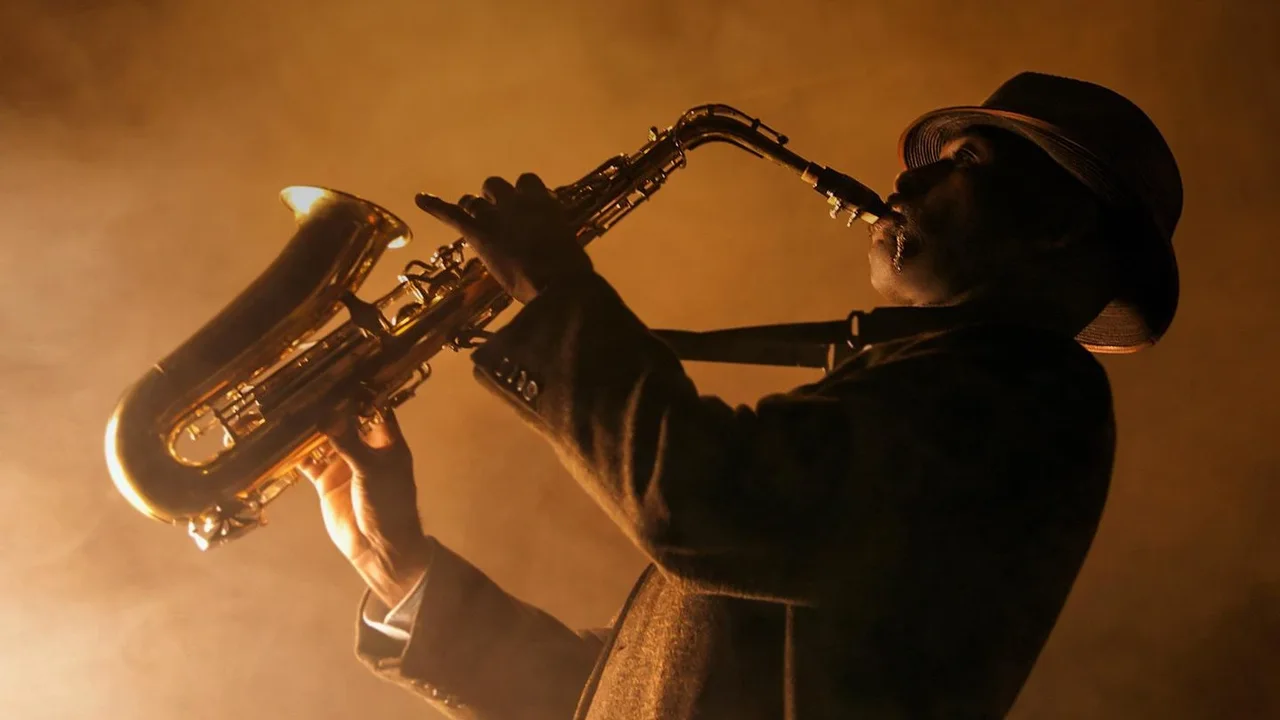
The bedrock of Count Basie’s timeless appeal wasn't about chasing the new; it was about perfecting the essential. At the heart of his orchestra was the legendary 'All-American Rhythm Section'. Featuring Freddie Green on guitar, Walter Page on bass, and
Jo Jones on drums, this unit was a marvel of precision and propulsion. They didn't just keep time; they created a current of energy that was impossible to resist. While other bands were defined by their horn players or flashy soloists, Basie built his empire on a foundation of pure, unadulterated swing. This relentless, foot-stomping 4/4 groove became the orchestra's signature, a sound so elemental and satisfying that it transcended fads.
The Pianist Who Played the Silence
As a pianist, Basie's genius was in what he didn't play. In an era of flamboyant, note-heavy soloists, he was a master of minimalism. His style was famously sparse and economical, using perfectly timed, blues-inflected phrases to punctuate the music rather than dominate it. These well-placed tinkles and chords were not a lack of technique but the height of confidence. He let the power of his 18-piece band breathe, using silence and space to build tension and magnify the impact of the full ensemble. This 'less is more' approach made his piano work a subtle, guiding force that was modern in its restraint and impossible to pin to any single era.
Riding Out the Bebop Revolution
The end of World War II brought a seismic shift in jazz. The big band-fueled Swing Era that had made Basie a star began to fade. A new sound, bebop, emerged from the clubs of New York. It was faster, more complex, and built for intense listening in small combos, not for dancing in grand ballrooms. Many of Basie’s contemporaries saw their careers evaporate as audiences and economics changed. For a brief period, even Basie was forced to disband his big band in 1950, touring with a smaller octet. But unlike others, he didn't try to become a bebop player. Instead, he waited, and in 1952, he triumphantly reformed his big band, dubbed the 'New Testament' band. This new orchestra was sleek and powerful, proving that a swinging big band could still feel modern and vital.
The Ultimate Talent Scout
Basie’s other instrument was his band itself, and he knew how to play it better than anyone. He was a phenomenal leader and talent scout. His orchestra was a platform for some of the greatest soloists and vocalists in jazz history, including saxophonist Lester Young, trumpeter Buck Clayton, and singers Jimmy Rushing and Joe Williams. Basie encouraged his musicians to compose and arrange for the band, allowing its sound to evolve organically. He brought in brilliant arrangers like Neal Hefti and a young Quincy Jones, who kept the band's repertoire fresh and exciting. By consistently surrounding himself with top-tier talent and giving them space to shine, Basie ensured the orchestra was always a dynamic and relevant force, capable of collaborating with stars from Frank Sinatra to Ella Fitzgerald.