


The Roxie Hart We Know and Love
For decades, Roxie Hart has been Broadway's favorite merry murderess. As played in the long-running revival and immortalized in the Oscar-winning film, she's a sympathetic anti-heroine. Sure, she shoots her lover, Fred Casely, but he was a louse who lied
to her. Her subsequent journey through the corrupt justice system is a masterful, darkly funny satire on America's obsession with celebrity crime. We root for Roxie not because she's good, but because she's an underdog navigating a cynical world. She's ambitious and naive, a victim of circumstance who learns to play the game better than anyone. Her desire for fame feels relatable, a twisted version of the American Dream. We see her manipulate, lie, and cheat her way to acquittal, but the show frames it as a vaudevillian performance, keeping the audience on her side.
The Monologue That Changes Everything
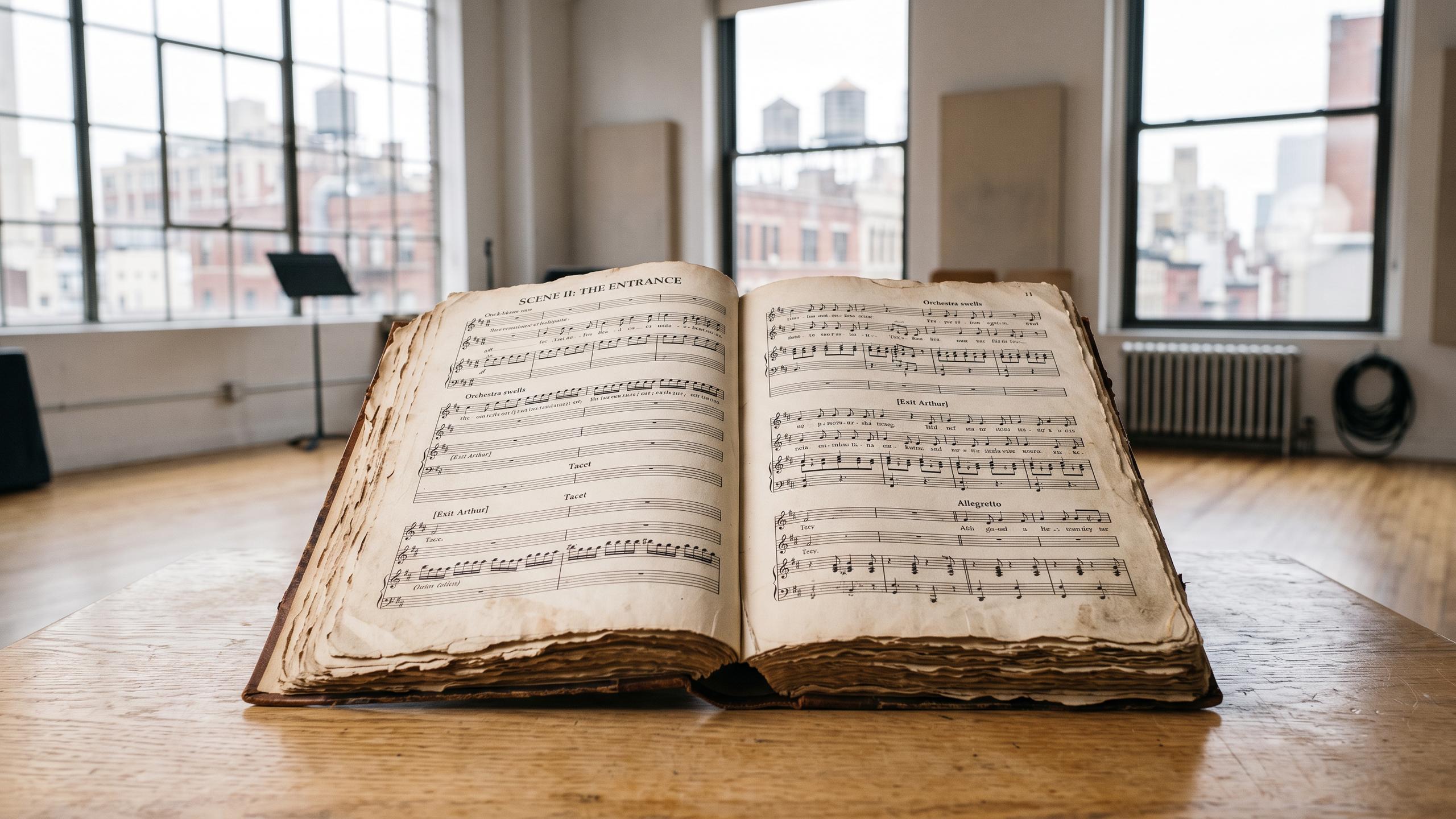
Now, imagine a different Roxie. During the original 1975 workshop, director and choreographer Bob Fosse and writers John Kander and Fred Ebb experimented with a chilling monologue for her character. In this 'forgotten scene', Roxie breaks the fourth wall, not with a song and dance, but with a confession that reframes her entire psyche. She doesn't just talk about her ambition; she reveals a disturbing, predatory worldview. In some documented versions of this speech, she fantasizes about Fred Casely as prey in a jungle, turning the murder from a crime of passion into a cold, calculated act of a predator. She was no longer a hapless chorus girl who got in over her head; she was a sociopath hiding in plain sight.
Too Dark for the Footlights
So why did it disappear? Bob Fosse was known for his dark and cynical vision, but this monologue may have been a step too far. The entire engine of 'Chicago' runs on a delicate balance: the audience has to be both appalled by and complicit in the characters' actions. We have to, on some level, want Roxie to get away with it. This monologue reportedly made her so unlikable, so genuinely frightening, that it risked breaking that connection. If the audience couldn't find a sliver of humanity to latch onto, the satire would collapse into a bleak, off-putting lecture. Fosse, a master of audience manipulation, understood that to make his point about society, he needed a protagonist the audience was willing to follow, even into the moral gutter. This darker Roxie threatened to send them running for the exits instead.
Reshaping the Killer-Diller
Cutting the monologue was more than just a trim; it was a fundamental reshaping of the musical's central character. Without it, Roxie's transformation is from nobody to somebody. With it, her story is about a monster who simply finds a new stage. The final version of Roxie is a product of the corrupt system she enters. The 'jungle' monologue version suggests she was always the predator, and the system merely gave her the tools to hunt more effectively. This single cut softened her from a cold-blooded killer into a more palatable, fame-hungry opportunist. It's the difference between rooting for a flawed dreamer and being asked to applaud a villain. The show became less about a specific woman's psychopathy and more about a society that rewards it, a much broader and more commercially viable satirical target.