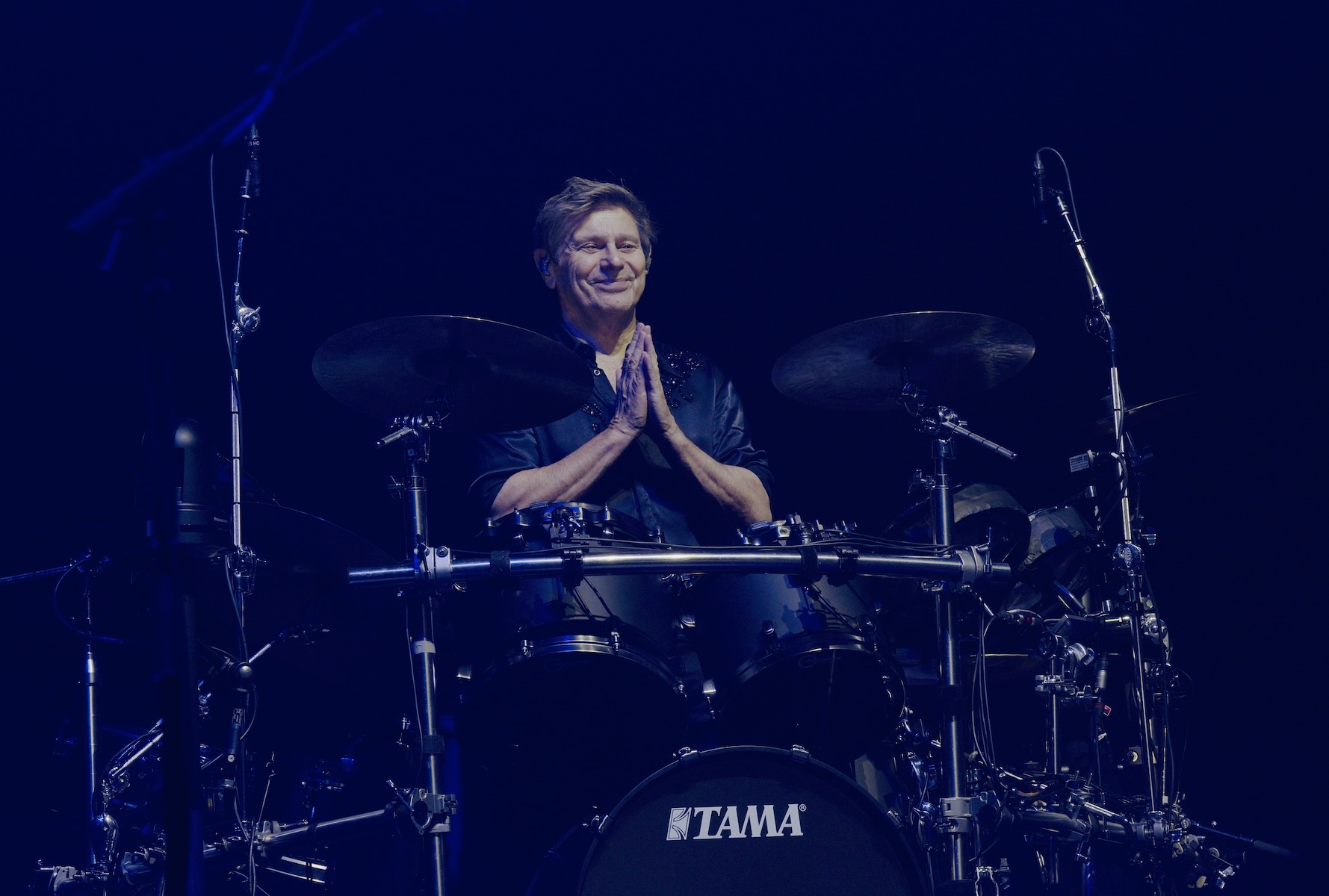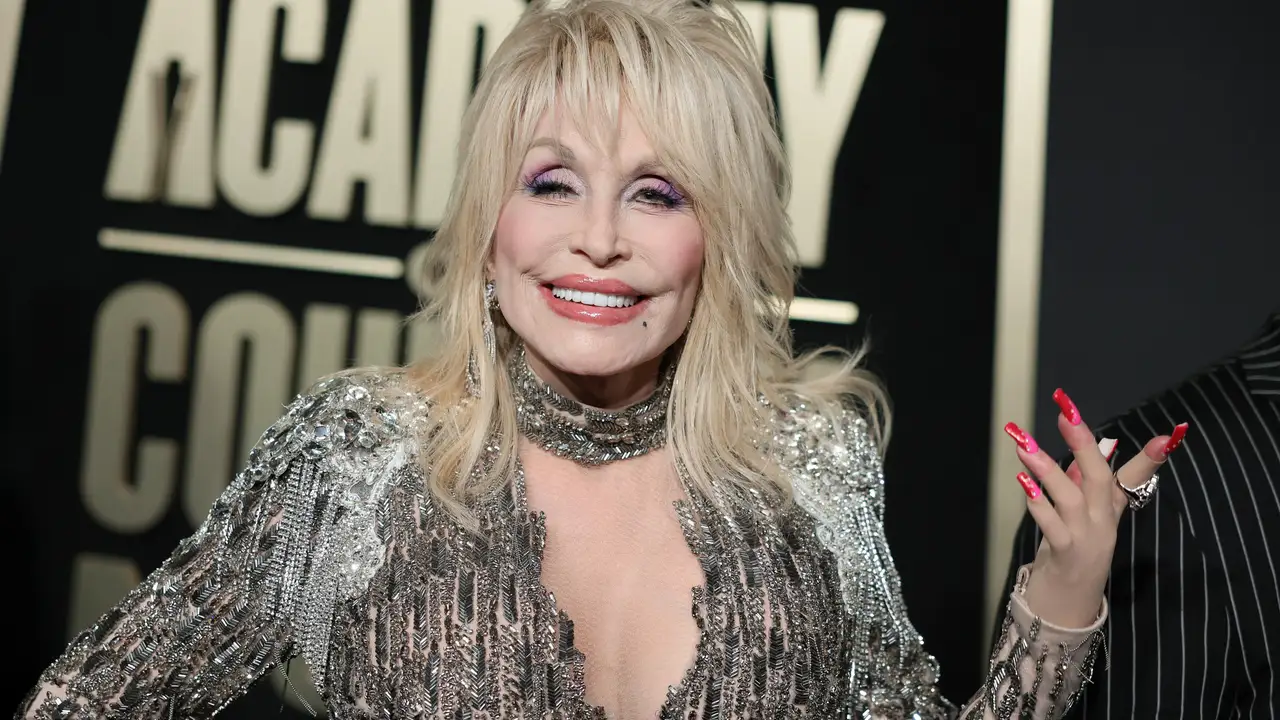


The CMA Awards have always been country music’s biggest night, but the 2026 ceremony felt different. Beyond the powerhouse vocals and heartfelt lyrics, the show proved that in today’s world, a great song deserves an equally great visual story.
More Than Just a Big Screen
For years,
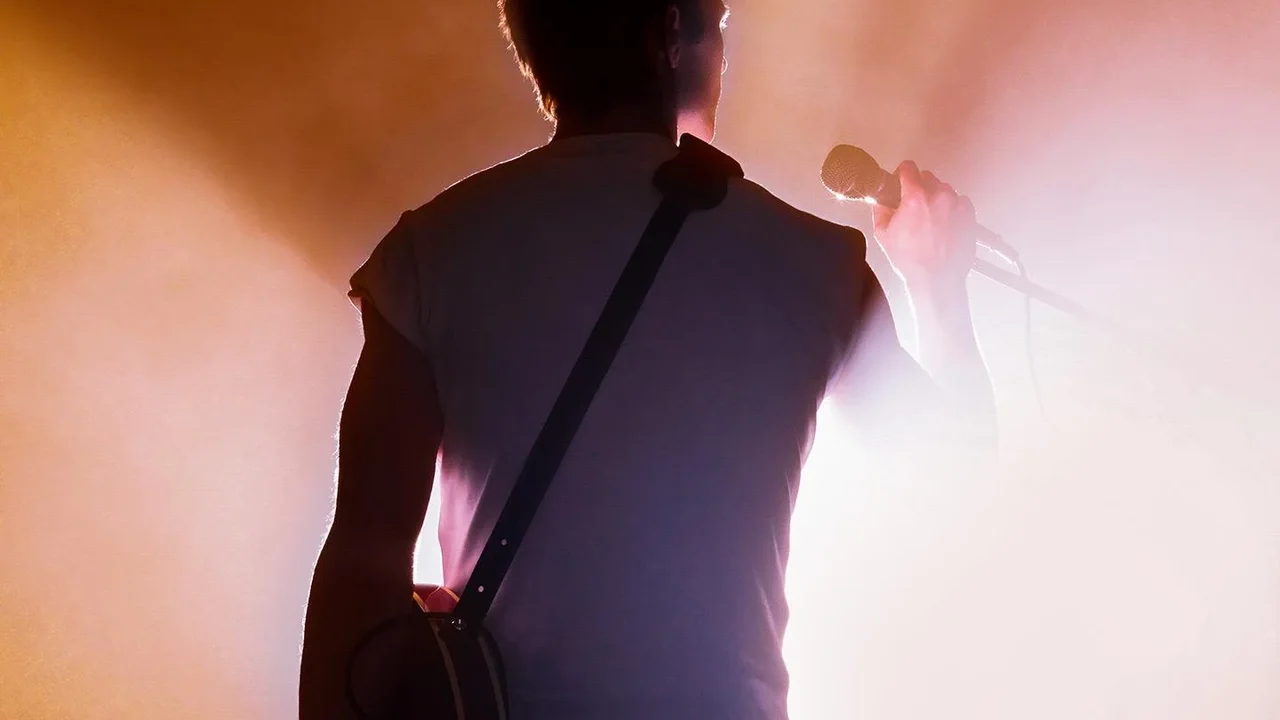
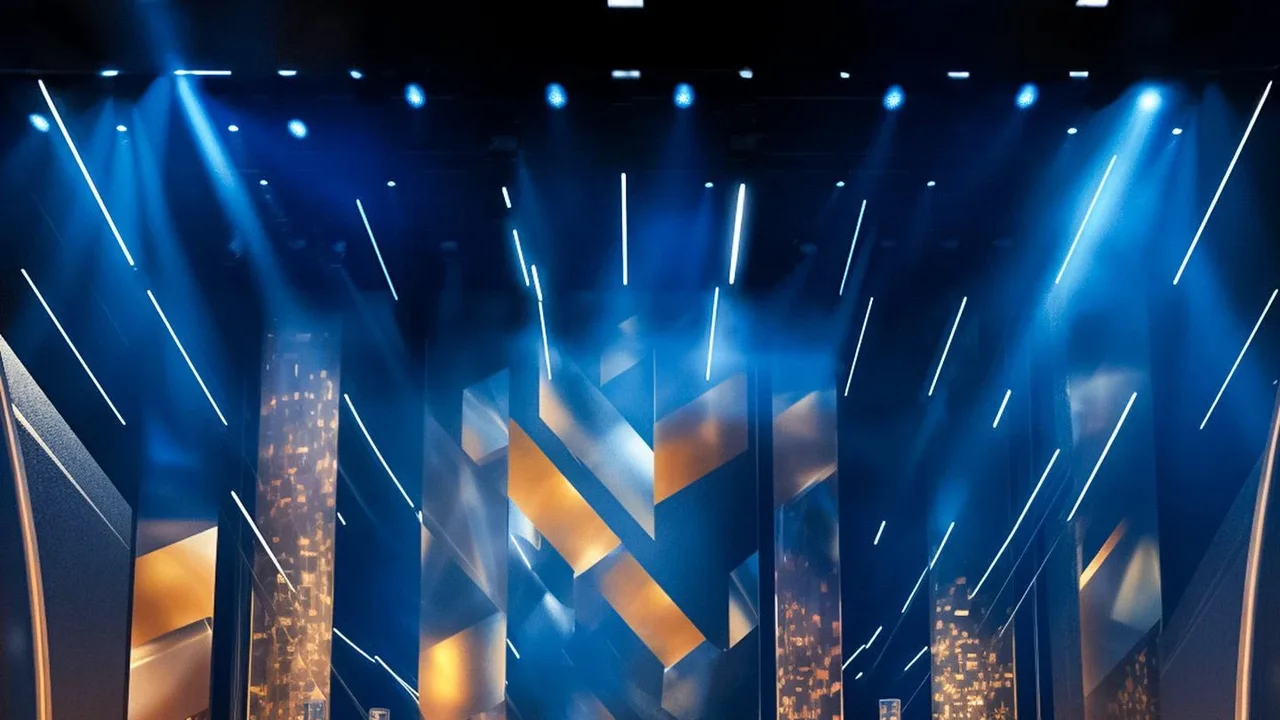
awards show performances used background visuals as digital wallpaper—pleasant, but forgettable. The 2026 CMAs, however, treated each three-minute performance slot as a bespoke, immersive experience. The era of generic, looping graphics is officially over. Instead, artists constructed entire worlds on stage. When Ella Langley, the night's top nominee, performed her ballad ‘Dandelion,’ the LED screens behind her didn’t just show a field; they created a living ecosystem. Digital fireflies appeared to float out over the audience, the lighting shifted from golden hour to twilight in perfect sync with the song’s emotional arc, and cinematic close-ups on the IMAG screens gave the performance a film-like quality. This wasn't just a backdrop; it was a set piece, transforming a massive arena into an intimate space for storytelling. It’s a move that recognizes how audiences, particularly younger viewers, consume media: visual spectacle matters just as much as the audio.
The Performance as a Music Video Sequel
Country music's connection to narrative has always been its strength, but artists are now extending those narratives beyond the studio recording. Many of the night's most talked-about performances served as live-action sequels or companions to their official music videos. It’s a savvy strategy that builds a deeper universe around an album. Take Zach Top’s high-energy performance. His music video for the nominated song established a dusty, neo-Western aesthetic, and his stage show picked up right where it left off. The graphics, his band’s wardrobe, and even the camera filters used for the broadcast all matched the video’s vibe, making the live moment feel like a continuation of a story fans already loved. This approach does more than just create a cool moment; it drives engagement, sending viewers back to streaming platforms like YouTube to connect the dots between the live show and the recorded content. It acknowledges that a performance isn't a standalone event anymore—it's a key chapter in an ongoing, multi-platform story.
Answering the TikTok Effect
You can’t talk about visual culture in 2026 without mentioning TikTok. The platform has trained a generation of fans to look for short, powerful, and visually arresting moments. The most successful artists on the CMA stage seemed to understand this intuitively, building their sets around moments perfectly calibrated for social media sharing. It wasn’t just about pyrotechnics. It was the knowing glance to the camera, the dramatic costume reveal, or a sudden, stark lighting change during a key lyric. These weren't just flourishes; they were meticulously planned beats designed to become viral clips. The live performance is no longer just for the arena and the television broadcast. It’s also a content-creation engine. A single, powerful visual moment from the CMAs can introduce an artist to millions of new fans online, creating a ripple effect that lasts long after the awards have been handed out. This synergy between the live stage and the social feed has become essential for career momentum.
Making Authenticity Visible
While technology played a huge role, the best visual storytelling of the night was rooted in enhancing, not overshadowing, the artist's authenticity. Country music’s power comes from its perceived realness, and the visuals worked best when they amplified that feeling. For some, like the roots-rock-leaning Stephen Wilson Jr., this meant minimalist staging with warm, vintage lighting that made the massive Bridgestone Arena feel like a smoky bar. For others, it meant using massive screens to project grainy, home-video-style footage that told the story of their journey to that very stage. Research has long shown that the visual component of a performance dramatically impacts how an audience perceives and connects with the music. The 2026 CMAs showed the industry has fully embraced this, using sophisticated design not as empty spectacle, but as a powerful tool to make the stories in the songs feel even more true.