


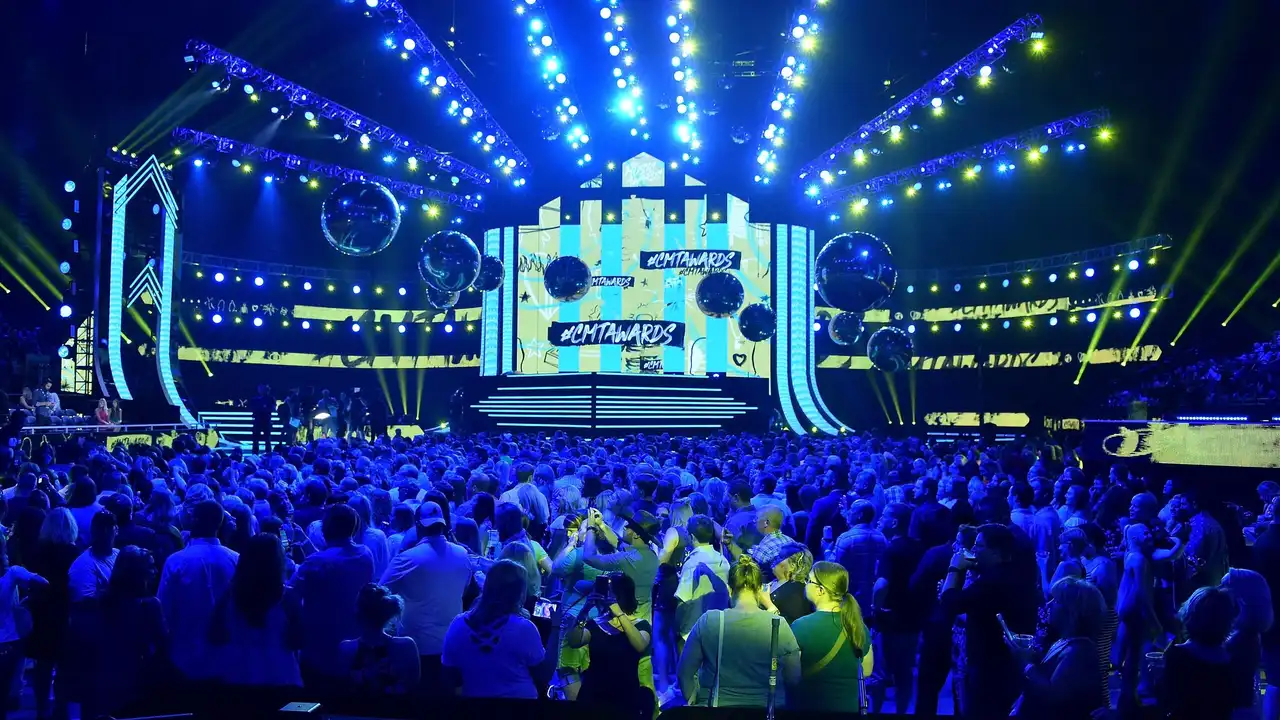
While all eyes were on the stars at the 60th Annual CMA Awards, a different high-stakes performance was unfolding. In the quiet chaos of the control room, the unsung heroes of country music’s biggest night waged a battle of skill and technology.
The Unseen Performers of Music City
When you
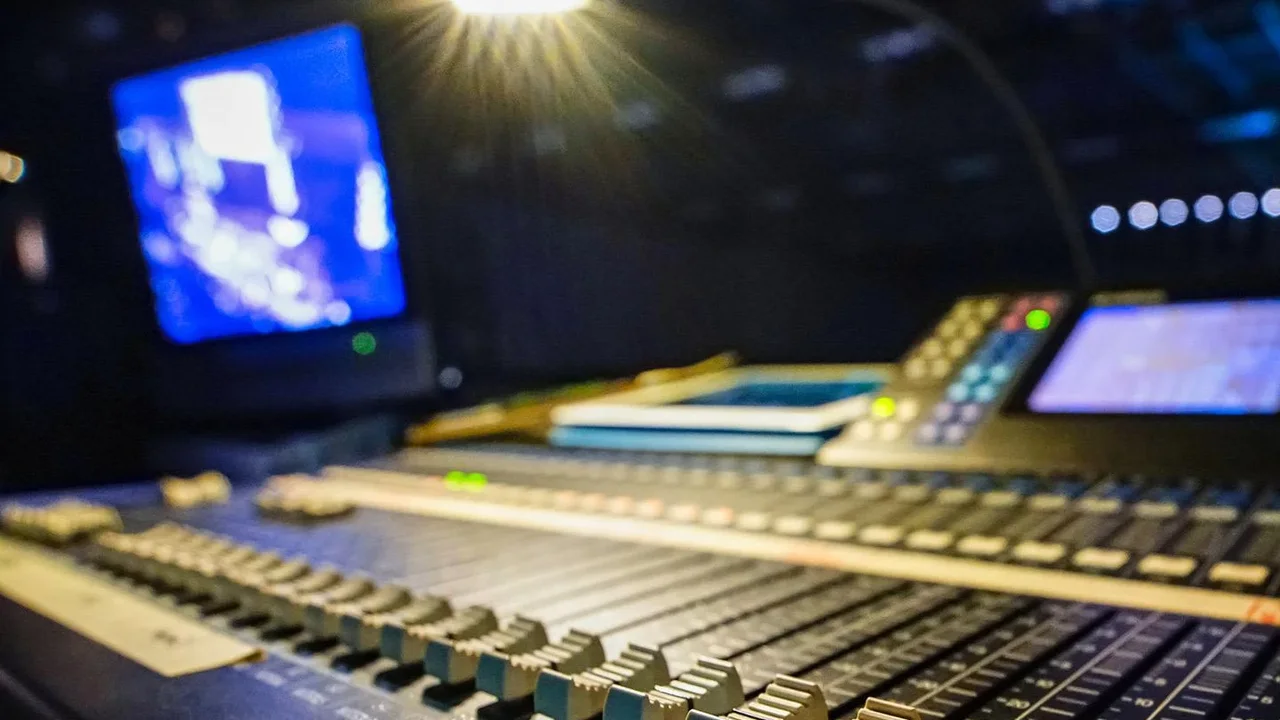
watch an awards show, you see the artists, the host, and the tearful acceptance speeches. What you hear—every crisp vocal, soaring guitar solo, and perfectly timed swell of audience applause—is the work of a small, elite crew of audio engineers. These are the people perched behind massive digital mixing consoles, often with less time to soundcheck a multi-million-dollar artist than you take to choose a song in your car. For an event like the 60th CMA Awards, which featured a sprawling lineup from legends like Tim McGraw and Miranda Lambert to rising stars like Ella Langley, the task is monumental. The broadcast audio team is responsible for mixing not just for the millions watching at home, but also for the live audience in Nashville's Bridgestone Arena. It's a high-wire act with no safety net, where one bad fader move can turn a heartfelt ballad into a feedback nightmare.
A Battle of Philosophies and Faders
The 'competitive race' isn't just about which audio production company gets the contract; it's a clash of techniques and technology. On one side, you have the seasoned veterans who trust their ears and hands, making hundreds of split-second adjustments based on instinct. They argue that music, especially country music with its nuanced blend of acoustic and electric instruments, needs a human touch. On the other side is a wave of innovation. Modern mixing now involves AI-assisted tools that can automatically balance levels, suppress feedback, and even anticipate changes in a song. Companies are also moving towards remote and cloud-based systems, where the mixing desk on-site is just a controller for a powerful processing engine located miles away. This allows for unprecedented flexibility but also introduces new variables, turning the choice of workflow—traditional vs. tech-forward—into a competitive decision.
The Challenge of a Country Mix
Mixing a country awards show presents a unique set of challenges that makes it one of the toughest gigs in the business. Unlike pop or rock shows that might have a consistent sonic palette, the CMAs swing wildly from a single artist with an acoustic guitar to a full-blown rock anthem with dueling electrics, pedal steel, and a thunderous drum kit. The key to a great country mix is maintaining the clarity and emotional impact of the vocal—the genre is built on storytelling, after all. Engineers have to carve out space for every instrument without letting the mix sound muddy or overprocessed. This year’s nominees for Single of the Year, for example, included the layered production of Lainey Wilson’s “4x4xU” and the classic sound of Zach Top’s “I Never Lie,” each requiring a completely different approach from the person at the board.
The Names Behind the Sound
While the artists get the trophies, the mix engineers who shape their sound are also recognized within the industry. The CMA itself awards mix engineers for Single and Album of the Year, highlighting their crucial role. Names like Jason Hall and Jay Joyce (for Lainey Wilson), Chip Matthews (for Luke Combs), and Justin Niebank (for Megan Moroney) are the allstars of this world. Getting the call to be the lead broadcast mixer for a show like the CMAs is the pinnacle of a career. These jobs often go to a tightknit circle of trusted professionals known for their calm under pressure and their ability to translate the energy of a live performance into a pristine broadcast feed that sounds incredible on everything from a highend soundbar to a smartphone. The competition for these coveted seats is fierce, driven by reputation, technical prowess, and the ability to deliver flawlessly, night after night.