
Sell the 'What,' Not the 'Who'
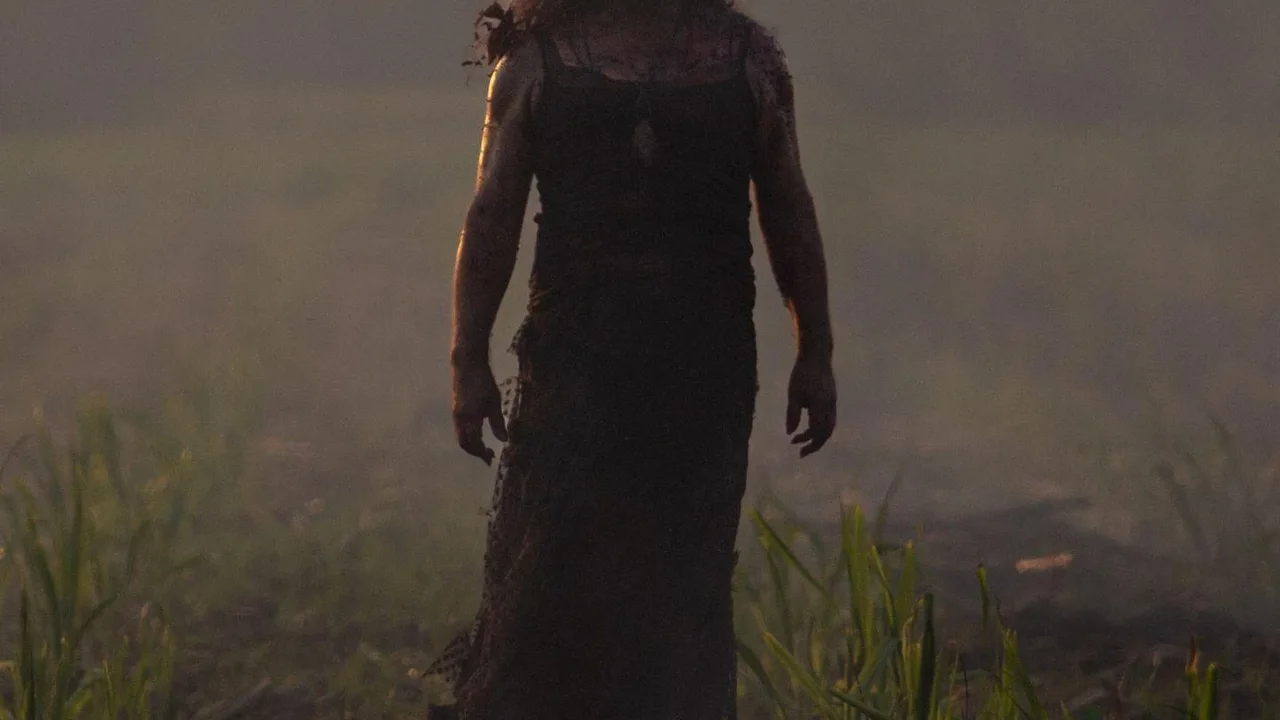
The first rule of a great whodunit trailer is to make a simple, terrifying promise. For Eli Roth’s 'Thanksgiving', the premise is crystal clear: a year after a Black Friday riot ends in tragedy, a mysterious killer dressed as a Pilgrim is carving up the residents
of Plymouth, Massachusetts. The trailer doesn't waste a second on ambiguity about the setup. We see the riot, we see the masked figure known as 'John Carver', and we see the terrified teens who are on his list. This approach, common in the slasher genre, invests the audience in the concept and the stakes. By establishing the 'what' (a holiday massacre) and the 'why' (revenge for the riot), the trailer focuses all the audience's curiosity on the one thing it deliberately withholds: the 'who'. It's a contract with the viewer: here’s the game, now come to the theater to find out who wins.
The Power of Misdirection
Once the premise is set, the real game begins. Trailers for films like 'Thanksgiving' and the 'Scream' franchise are masters of misdirection. They use a classic toolkit of cinematic sleight-of-hand. Quick cuts show a victim screaming, but not what they’re seeing. A character gives a shifty look, immediately making them a suspect. Dialogue is often stitched together out of context to imply threats or motives that don't exist in the actual film. 'Thanksgiving' trailers were full of these 'red herrings', pointing suspicion at various characters, from the jaded ex-boyfriend to the new stepmom. This technique serves two purposes: it populates the story with a roster of viable suspects, which is crucial for any good mystery, and it actively encourages audiences to guess wrong, making the eventual reveal more satisfying.
An Arsenal of Unseen Threats
You don’t need to see the killer to feel their presence. Sound design is often the secret weapon in these trailers. The scrape of a blade, the creak of a floorboard, or a distorted voice on the phone can be far more terrifying than a clear shot of a monster. These auditory cues work on a primal level, creating a sense of dread and letting the viewer’s imagination do the heavy lifting. Another key technique is the killer’s point-of-view shot. The camera becomes the killer, stalking a victim from the shadows or peering through a window. This puts the audience directly into the action, making the threat feel immediate and personal, all while keeping the killer’s face conveniently out of frame. It's a trick as old as 'Halloween' that remains brutally effective because it makes the viewer both the voyeur and the potential victim.
Show the Aftermath, Not the Action
A common mistake in modern trailers is showing too much, a problem many horror fans complain about. The best whodunit teasers understand that the result of violence can be more chilling than the act itself. The 'Thanksgiving' trailer, for instance, shows us the grotesque 'feast' the killer has prepared, including a human victim cooked like a turkey, but it doesn't show the full, gory details of how they got there. This tactic respects the audience's intelligence. It provides just enough shocking imagery to create buzz and promise a high-stakes horror experience, but it saves the climactic moments and the big reveal for the theater. By focusing on the creepy aftermath and the terrified reactions of the characters, the trailer builds anticipation and dread, ensuring the film's biggest secrets remain safe.