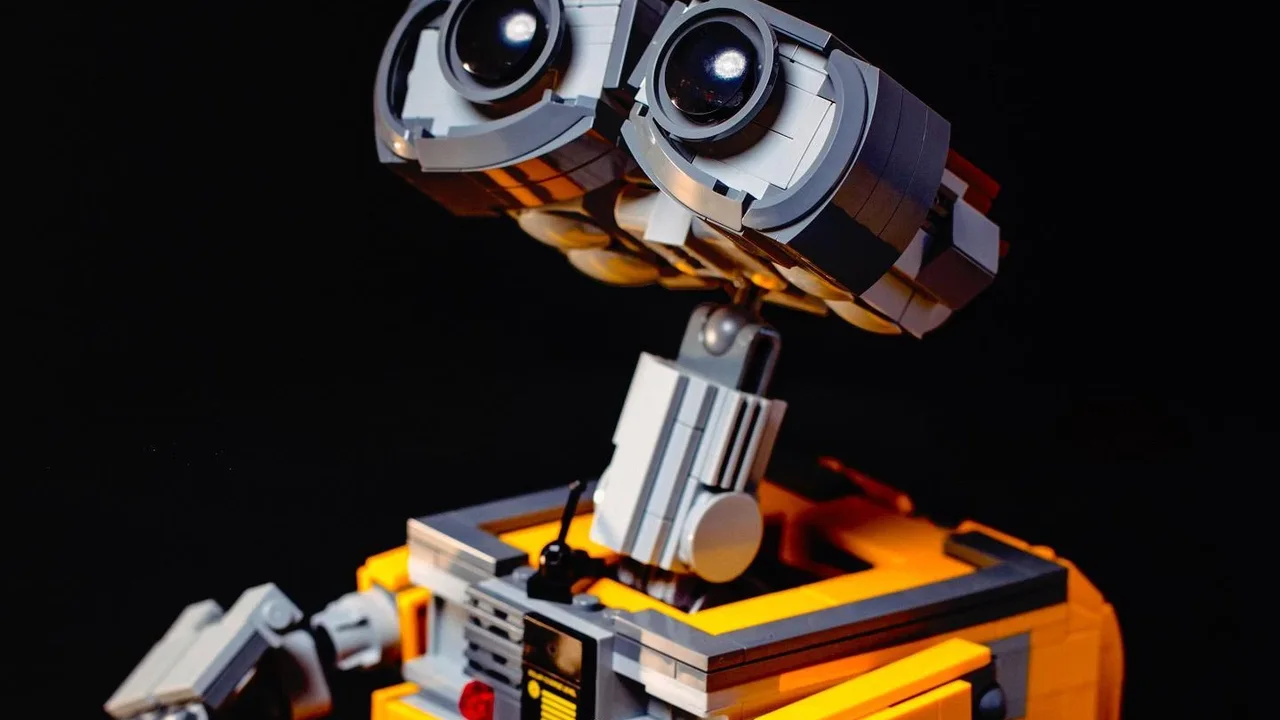

Pixar's WALL-E is a cinematic miracle: a near-silent film that speaks volumes about loneliness, love, and our future. If its blend of stunning visuals and profound heart left you wanting more, you're in luck. Here are four directors to explore.
Denis Villeneuve: For the Awe-Inspiring Scale
If the
jaw-dropping visuals of WALL-E soaring through space with a fire extinguisher left an impression, Denis Villeneuve is your guy. His films operate on a scale that can only be described as epic, yet he never loses sight of the small, human story at the center. In Arrival, he turns a first-contact story into a heartbreaking meditation on time and loss. In Blade Runner 2049, he explores what it means to be human in a world filled with artificial life, echoing WALL-E and EVE's journey. Villeneuve is a master of atmosphere, using long, quiet shots to build a sense of wonder and dread. His sci-fi isn't about laser battles; it’s about wrestling with big, philosophical questions, much like how WALL-E uses a desolate Earth to ask us what we value.
Alex Garland: For the Cerebral Sci-Fi
The second half of WALL-E, set aboard the Axiom, is a sharp critique of humanity's passive relationship with technology. If that's the part that stuck with you, then Alex Garland’s filmography is essential viewing. Garland, who wrote and directed Ex Machina and Annihilation, specializes in sleek, unsettling thrillers that poke at our anxieties about artificial intelligence, corporate overreach, and the very nature of self. Ex Machina is a tense three-way conversation between a man, his creation, and her creator that feels like a direct, adult-oriented extension of the questions posed by EVE's directive. His work is less about cute robots and more about the terrifying and fascinating implications of what we create.
Bong Joon-ho: For the Scathing Social Commentary
WALL-E is a deceptively simple story with a powerful message about consumerism and environmental neglect. Director Bong Joon-ho has built his entire career on embedding bitingly relevant social commentary within incredibly entertaining genre films. Look no further than Snowpiercer, which, like WALL-E, confines the last remnants of humanity to a manufactured ecosystem (a perpetually moving train) and starkly illustrates class division. His Oscar-winning masterpiece Parasite also dissects themes of class and economic desperation, showing how one family infiltrates the world of another—a dark mirror to WALL-E’s own journey into a foreign, privileged environment. Bong Joon-ho masterfully balances tone, shifting from comedy to horror to tragedy, all while keeping his critical eye sharply focused.
Michel Gondry: For the Whimsical, Handstrafed Romance
At its core, WALL_E is a love story. A clunky, lonely robot falls for a sleek, advanced probe, and their nearwordless courtship is one of the most moving in cinema history. If you were charmed by this inventive, heartfelt romance, you will adore the work of Michel Gondry. Best known for Eternal Sunshine of the Spotless Mind, Gondry shares a fascination with crafting whimsical, visually inventive worlds that feel handmade and dreamlike. He often uses practical effects, stopmotion, and other lo fi tricks that give his films a tangible, childlike wonder, not unlike WALL_E’s own fascination with salvaged trinkets. His stories are about the stubborn, messy, and beautiful nature of love and memory than finding grand emotions in the smallest most peculiar details—a perfect match for a film about a trash compactor who learned to love from an old musical.