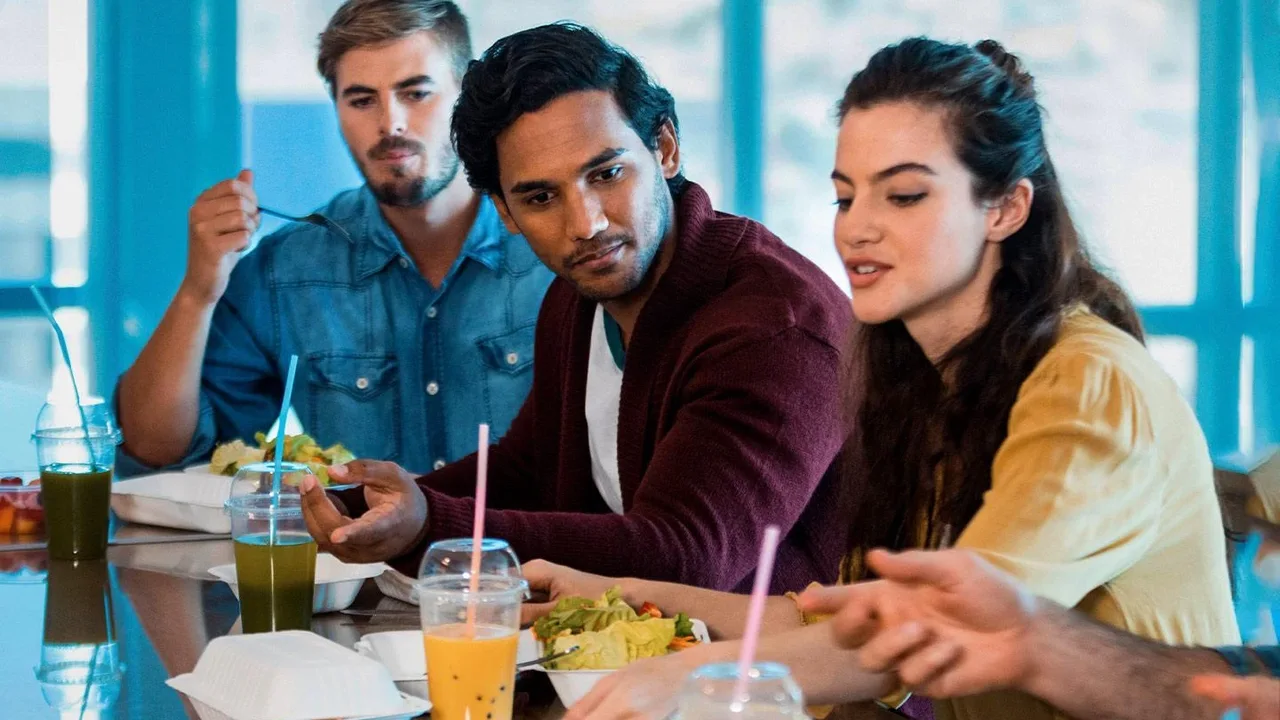

It’s one of the boldest invitations in movie history: Nola Darling, a sexually liberated Brooklyn artist, asks her three lovers to Thanksgiving dinner. In Spike Lee’s 1986 classic 'She's Gotta Have It', this scene is more than just awkward; it’s a crucible.
The Audacity of an Invitation
The entire premise of 'She's Gotta Have It' revolves around Nola Darling's refusal to be defined by one man. She is juggling three distinct suitors: the stable, romantic Jamie Overstreet; the wealthy, narcissistic Greer Childs; and the funny, sneaker-obsessed Mars Blackmon, played by Lee himself. Each man knows about the others, but they exist in separate orbits around Nola. Her decision to bring them all into the same room for America's most traditional family holiday is a radical act. It’s a social experiment designed to force a confrontation, not just between the men, but with the very structure of her life. The dinner table becomes a stage where the film's central tension—Nola's desire for freedom versus the men's desire for possession—is set to explode.
An Arena of Masculinity
From the moment the men arrive, Nola’s apartment transforms into a battleground for competing versions of masculinity. Jamie, the thoughtful provider, attempts to take charge by carving the turkey. Greer, the vain model, critiques Nola’s cooking while complimenting his own superior taste, at one point declaring her meal 'indicative of marrying material' as both a compliment and a subtle claim. Meanwhile, Mars uses humor as his weapon, relentlessly mocking the other two with a streetwise wit that cuts through their posturing. The dialogue crackles with passive-aggression and outright hostility. They aren't just trying to win Nola over; they are trying to prove their own worldview is the one she should adopt. The scene masterfully exposes the insecurity underpinning each of their personas.
Nola at the Head of the Table
Spike Lee positions Nola as the conductor of this chaotic symphony, at least initially. She's the one who invited them, telling them they were bound to meet eventually. For a while, she observes, presiding over the mess she created. But as the men's bickering escalates, her control begins to fray. The dinner is her attempt to assert that she can have it all, but the clashing egos reveal the unsustainability of her arrangement. The camera often frames her at the center, caught in the crossfire of their competing demands and egos. The scene reveals that while she is in charge of her own sexuality, she cannot control how these men react to being confronted with their rivals. The power she thought she held by bringing them together is shown to be an illusion.
The Catalyst for Collapse
The Thanksgiving dinner is the point of no return for the film's love triangle. It doesn't just 'shift' the dynamic; it shatters it. The thinly veiled jealousy erupts into open conflict, culminating in Mars suggesting they flip a coin for her. The illusion that these three relationships could coexist peacefully is destroyed. The dinner forces each character to show their true colors. Greer’s narcissism becomes unbearable, Mars’s humor feels childish in the face of real conflict, and even the seemingly 'nice guy' Jamie reveals a possessive streak that will later manifest in a much darker way. The meal ends with Nola throwing them all out, but the damage is done. The social experiment fails, proving that while she may not want to choose, the men are forcing her hand.