
Every year, as the leaves turn and the scent of roast turkey fills the air, a certain kind of film fan revisits an unlikely Thanksgiving classic. It’s not about pilgrims or football. It’s about infidelity, existential dread, and New York angst.
The Thanksgiving Bookends
More than
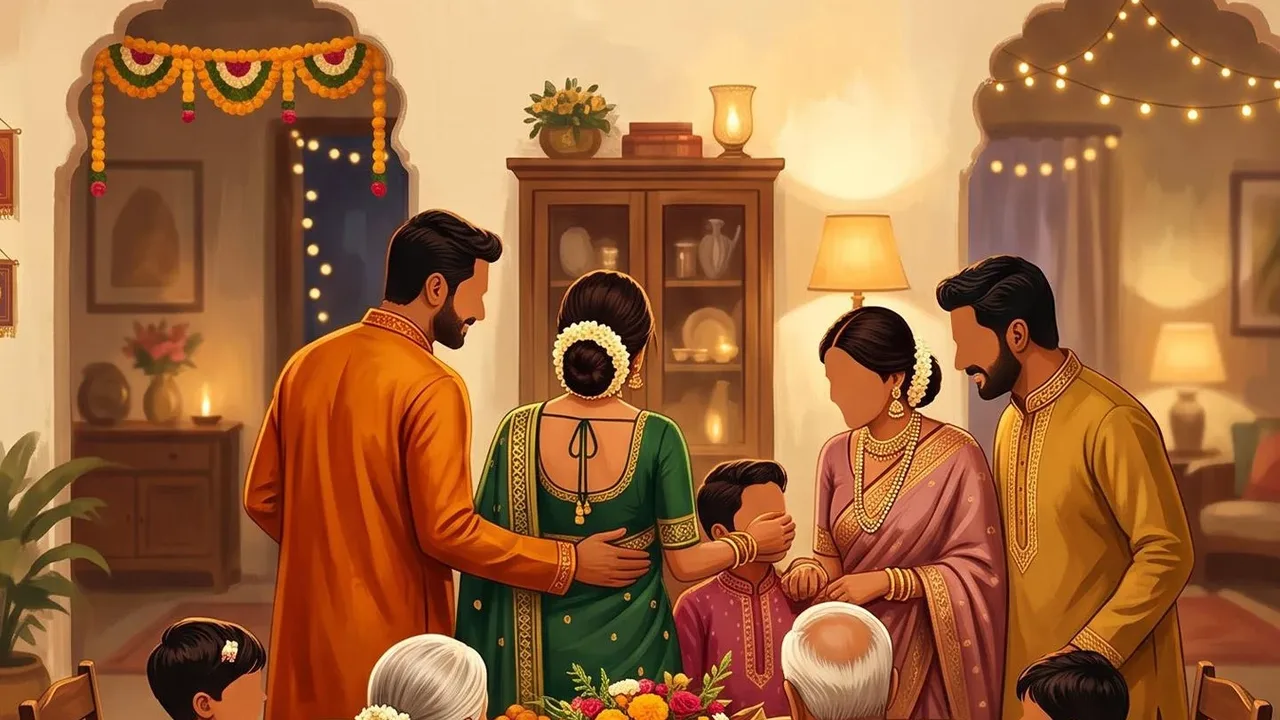
just a backdrop, Thanksgiving provides the narrative structure for 'Hannah and Her Sisters'. The film opens with a sprawling family Thanksgiving dinner at Hannah's apartment and closes with another one two years later. These gatherings act as bookends, allowing the audience to witness the messy, complicated evolution of the characters' lives in the intervening time. The first dinner introduces a web of simmering tensions: Hannah's husband, Elliot (Michael Caine), is hopelessly infatuated with her sister Lee (Barbara Hershey). Her other sister, Holly (Dianne Wiest), is a struggling actress full of insecurity and resentment. The final Thanksgiving doesn't resolve every issue with a neat bow, but it shows growth, acceptance, and a resilient, if imperfect, return to familial connection.
A Mirror to Our Own Dysfunctional Families
Few holiday films are brave enough to admit that family gatherings are often minefields of unspoken resentments, old rivalries, and complicated affections. 'Hannah and Her Sisters' thrives on this reality. The interactions between the three sisters—steady, successful Hannah; emotional, adrift Lee; and neurotic, ambitious Holly—feel painfully authentic. Their parents, an old showbiz couple played by Maureen O’Sullivan and Lloyd Nolan, bicker over past affairs and alcoholism. Rather than presenting an idealized vision of the holiday, the film offers a comforting, 'warts-and-all' portrayal. It validates the feeling that love and dysfunction are not mutually exclusive, especially when everyone is crowded around the same dining table.
An Autumnal New York Love Letter
Beyond the family drama, the film is a gorgeous visual ode to autumn in New York City. Cinematographer Carlo Di Palma captures Manhattan in a warm, golden-hued light, making the city itself a central character. From cozy Upper West Side apartments to strolls through a crisp Central Park and the architectural beauty of SoHo lofts, the film creates a powerful sense of place and season. This aesthetic contributes significantly to its appeal as a Thanksgiving watch. The visuals evoke a feeling of warmth and nostalgia, a perfect complement to the indoor-centric, reflective mood of the late-November holiday.
From Existential Dread to Hope
While the sisters and their partners navigate tangled love affairs, Hannah's ex-husband Mickey (Woody Allen) is on a completely different journey. A crippling hypochondriac, Mickey spirals into an existential crisis after a health scare, convinced he might have a brain tumor. His quest for meaning leads him to quit his job and explore different religions, all with darkly comedic results. He ultimately finds his will to live not in a grand spiritual answer, but in the simple joy of watching a Marx Brothers movie. His realization that life is worth enjoying, even without answers, provides the film's philosophical core. This journey from dread to a quiet, earned optimism resonates with the Thanksgiving themes of gratitude and renewal.
A Master Class in Writing and Performance
Ultimately, the film endures because it is a masterwork of screenwriting and acting. Allen’s Oscar-winning script is a complex, novelistic tapestry of intertwining stories, filled with witty dialogue and profound monologues. The ensemble cast is flawless. Michael Caine and Dianne Wiest both won Academy Awards for their supporting roles, perfectly capturing the desperation and eventual growth of their characters. The story leaves many threads realistically unresolved—Hannah never learns of her husband's affair, for instance. This refusal of a simple, clean ending is part of what makes the film so re-watchable and endlessly debatable, much like the family dynamics it so brilliantly portrays.