



An All-Star Concert for Free
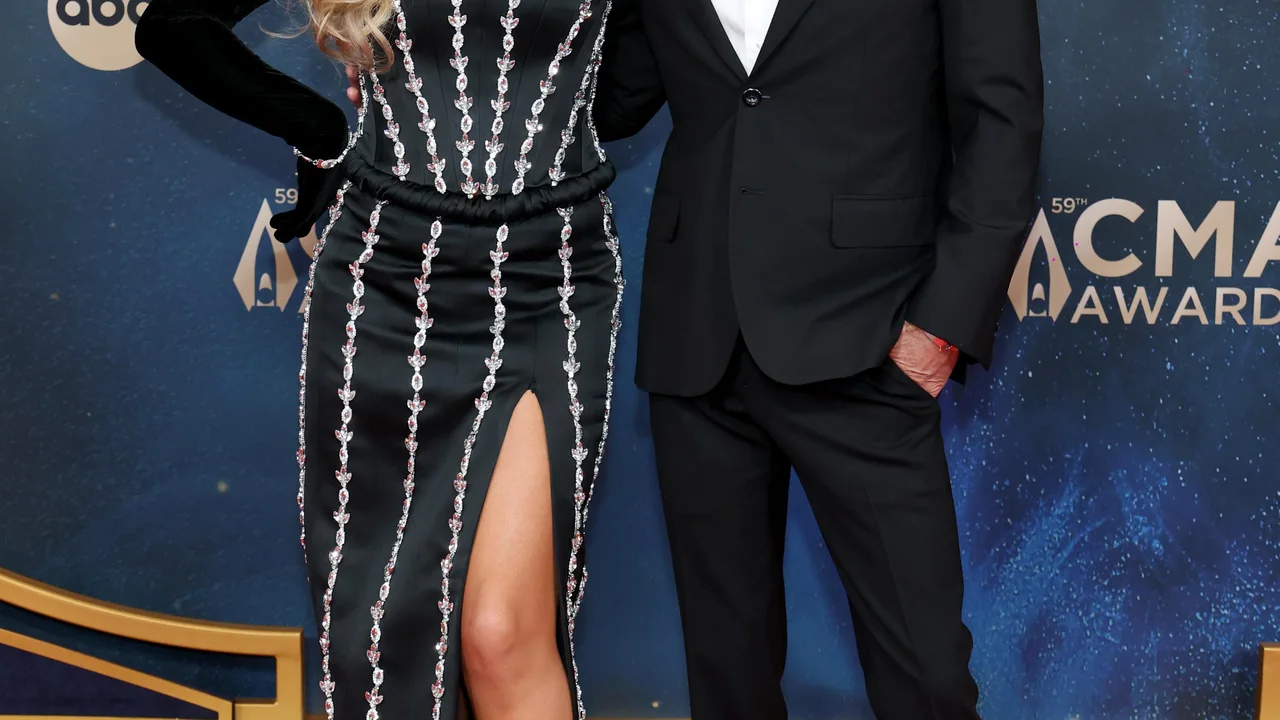
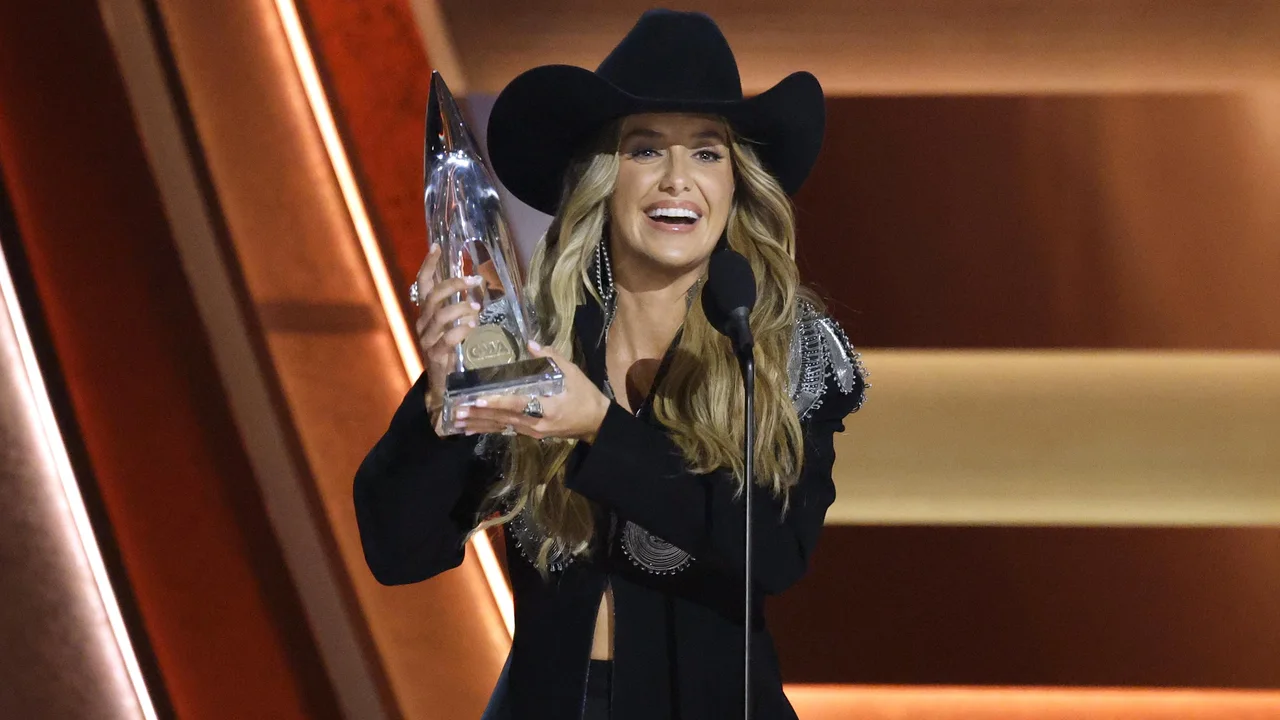
This year's performer list was a who's who of modern country royalty and crossover megastars. All five Entertainer of the Year nominees—Chris Stapleton, Lainey Wilson, Luke Combs, Cody Johnson, and the night's big winner, Ella Langley—took the stage.
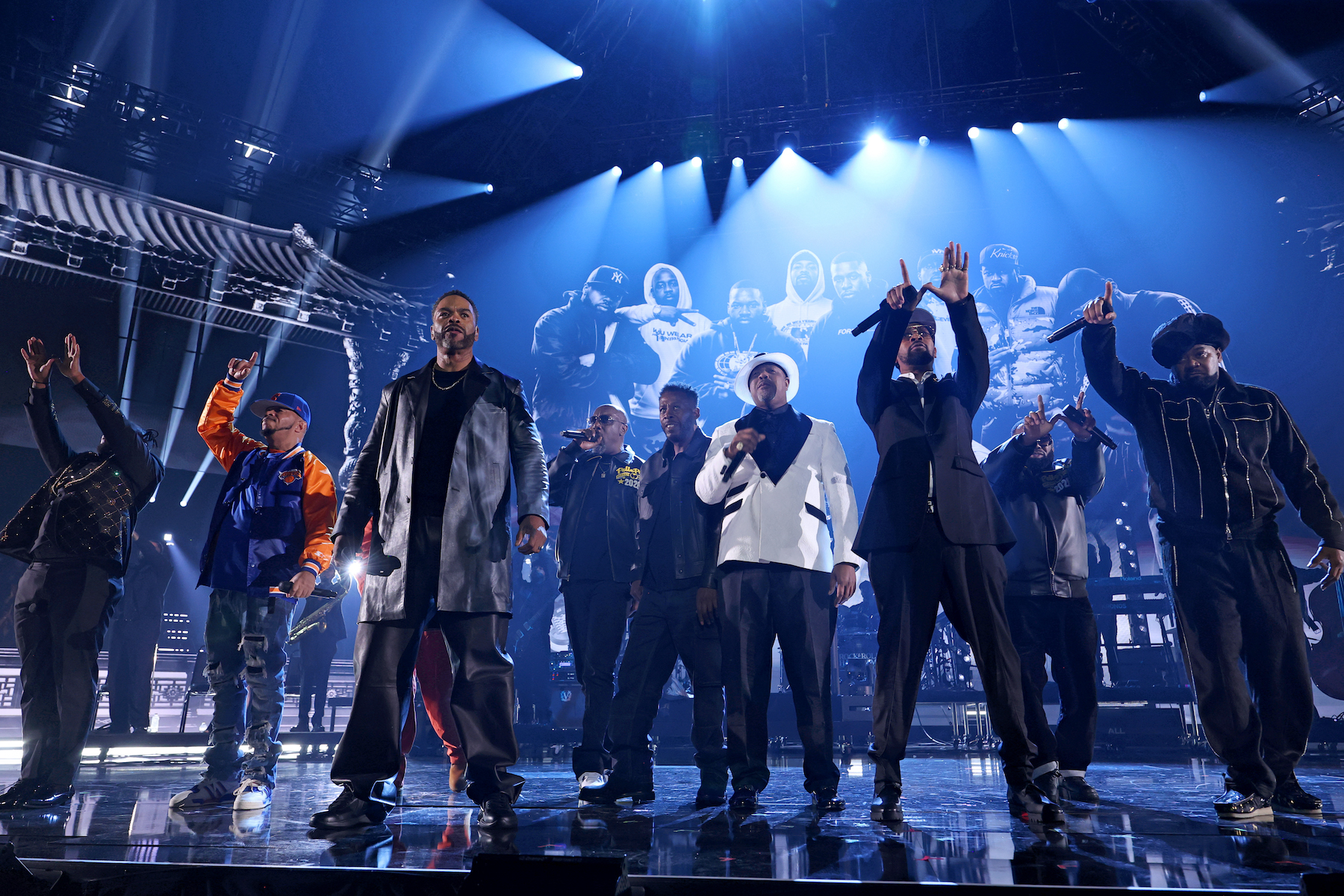
Add to that a returning Taylor Swift, pop-rockers Mumford & Sons making their CMA debut alongside Stapleton, and a multi-artist tribute to Brooks & Dunn featuring Luke Bryan and HARDY, and the star power was undeniable. From a production standpoint, it was a massive success, a three-hour television spectacle designed to keep eyeballs glued to the screen. For the casual viewer, it was a parade of familiar hits and powerful moments, offering little reason to change the channel.
The Ratings-Driven Playbook
So, why stack the deck with so many household names? The answer is simple: ratings. Music awards shows, like all major television events, are in a constant battle for audience attention. The strategy is straightforward: book superstars who bring their own massive fanbases with them. A performance from Taylor Swift, for example, guarantees a surge of viewers who might not otherwise tune in for a country music awards show. The same logic applies to booking cross-genre acts like Mumford & Sons or Halestorm. It’s a business decision designed to maximize viewership and advertising revenue. The show becomes a high-stakes marketing event for the artists, their labels, and the network, with each performance acting as a three-minute commercial for a new single or upcoming tour.
The Incredible Shrinking Award
But this nonstop concert comes at a cost, and the first casualty is the awards themselves. With a three-hour broadcast dominated by lengthy musical numbers and special tributes, something has to give. Increasingly, it’s the award presentations. Speeches feel rushed, and major categories are sometimes relegated to the pre-telecast ceremony or hurried through during a commercial break. This trend isn't unique to the CMAs, as other awards shows have faced criticism for prioritizing performances over accolades. When an artist's crowning achievement is treated like a logistical hurdle to clear before the next musical set, it devalues the very honor the show is supposed to bestow.
Who Gets Left Behind?
The most significant cost, however, is the one paid by country music's future. A performance slot on the CMA Awards can be a career-making moment for a new artist, providing invaluable national exposure. When those precious minutes are filled by established legends performing their 15th hit single, the ladder to success gets pulled up behind them. Artists like Zach Top, Tucker Wetmore, and Stephen Wilson Jr. were all nominated in key categories this year, representing the genre's next wave. Yet, the debate raging before the show—sparked by '90s hitmaker Sammy Kershaw being denied a red carpet spot—highlighted a broader anxiety: in the rush to celebrate today's biggest stars, is Nashville forgetting to nurture its next generation and honor its veterans? The controversy showed that for many, the issue is about more than just one night; it’s about who gets to feel welcome in country music.