
The Art of inedible Food
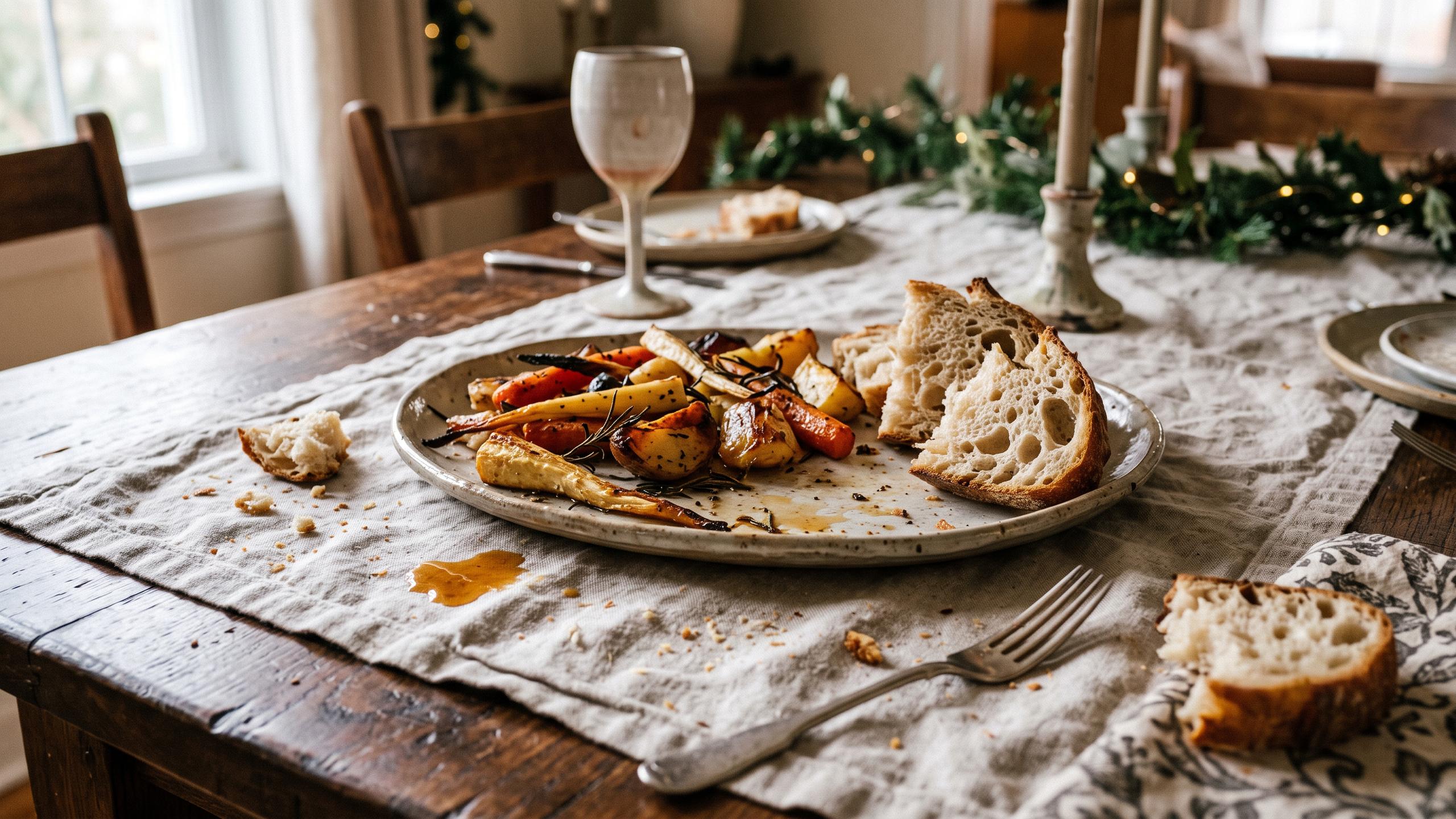
That gorgeous, golden-brown turkey sitting center-table? It’s probably inedible. Real food is a nightmare on a film set; it wilts, spoils under hot lights, and creates continuity problems over multiple takes. Enter the food stylist. Their job is to make
food look delicious for hours on end. The main turkey is often a raw or partially cooked bird, painted with a mix of browning liquid and dish soap to get that perfect sheen. Side dishes might be made of things that hold up better, like instant mashed potatoes which can also be used to stuff pies to keep their shape. To create the illusion of steam on a room-temperature plate, stylists hide microwaved, water-soaked cotton balls or tampons behind the food. The only real, edible food is usually on a 'hero plate' for an actor’s close-up, and even then, they often use spit buckets between takes to avoid getting sick.
Choreographing the Conflict
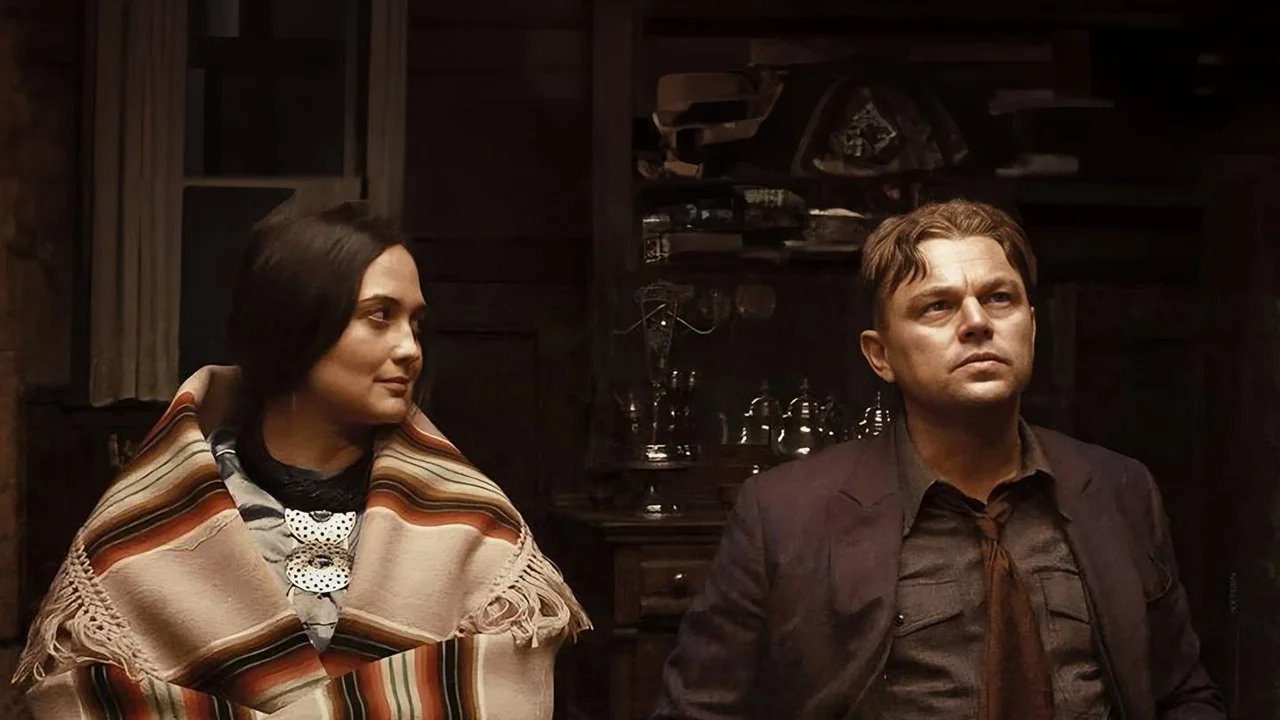
What looks like a spontaneous family meltdown is actually a carefully choreographed dance of dysfunction. Directors and actors spend immense time mapping out the scene. Seating arrangements are chosen to visually represent alliances or create tension, like placing rivals directly across from each other. Dialogue is often scripted to overlap, forcing actors to talk over one another to build a natural sense of discord. Every interruption, every pained glance, and every passive-aggressive pass of the salt is rehearsed. Directors will break the scene into smaller 'zones' or beats, guiding the emotional rhythm from a low simmer to a full-blown boil. The goal is to create 'controlled chaos', where the performances feel raw and unpredictable, but every key reaction is captured.
The Camera as an Uninvited Guest
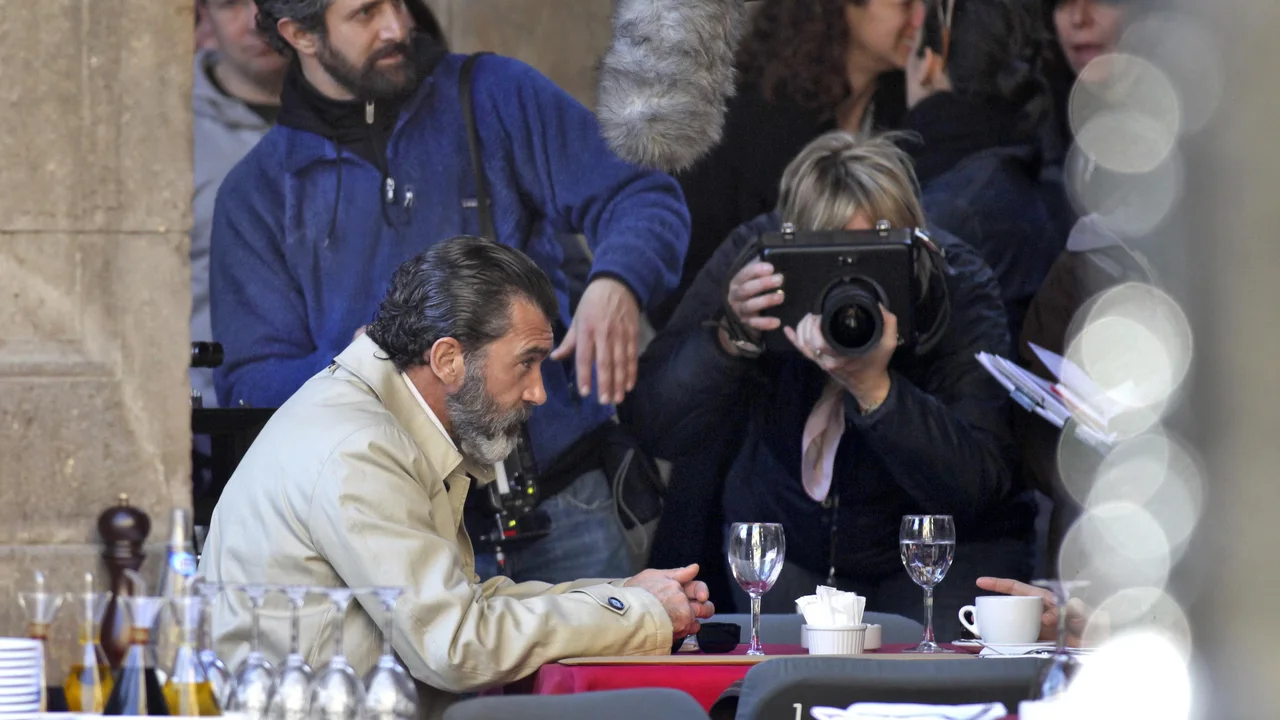
The way a scene is filmed is crucial to making the audience feel the tension. Dinner scenes are notoriously difficult because characters are stationary, limiting a director's usual tools of movement. To create a sense of unease or claustrophobia, a cinematographer might use a handheld camera, making the viewer feel like a shaky, nervous guest. Close-ups are used to isolate characters and amplify their reactions, while wide shots can establish the awkward distance between family members. As an argument escalates, a director might cut more quickly between faces, increasing the pace and sense of panic. A slow, creeping zoom on a character’s face as they receive bad news can be more powerful than any line of dialogue.
The Sound of Things Falling Apart
Close your eyes during a chaotic dinner scene, and you'll realize how much of the story is told through sound. Sound design isn't just about dialogue; it's about the entire auditory world of the scene. Sound designers layer in a cacophony of effects: the sharp clang of a fork hitting a plate, the aggressive scrape of a chair, the frantic murmuring of side conversations, and the almost-too-loud chewing. These sounds build a subconscious feeling of anxiety and sensory overload for the audience. The mix is carefully controlled, raising the volume of certain effects to punctuate a dramatic moment or dropping everything into sudden, uncomfortable silence after a shocking revelation. This rich soundscape is what transforms a simple meal into a full-blown emotional battlefield.