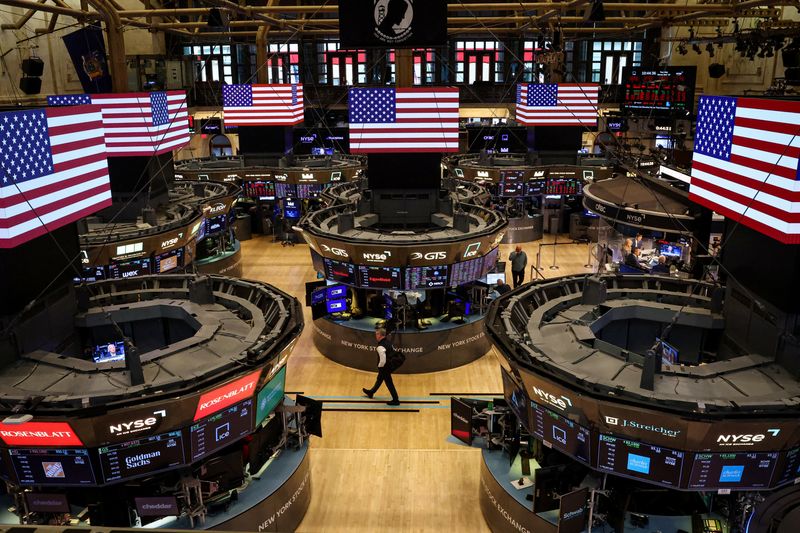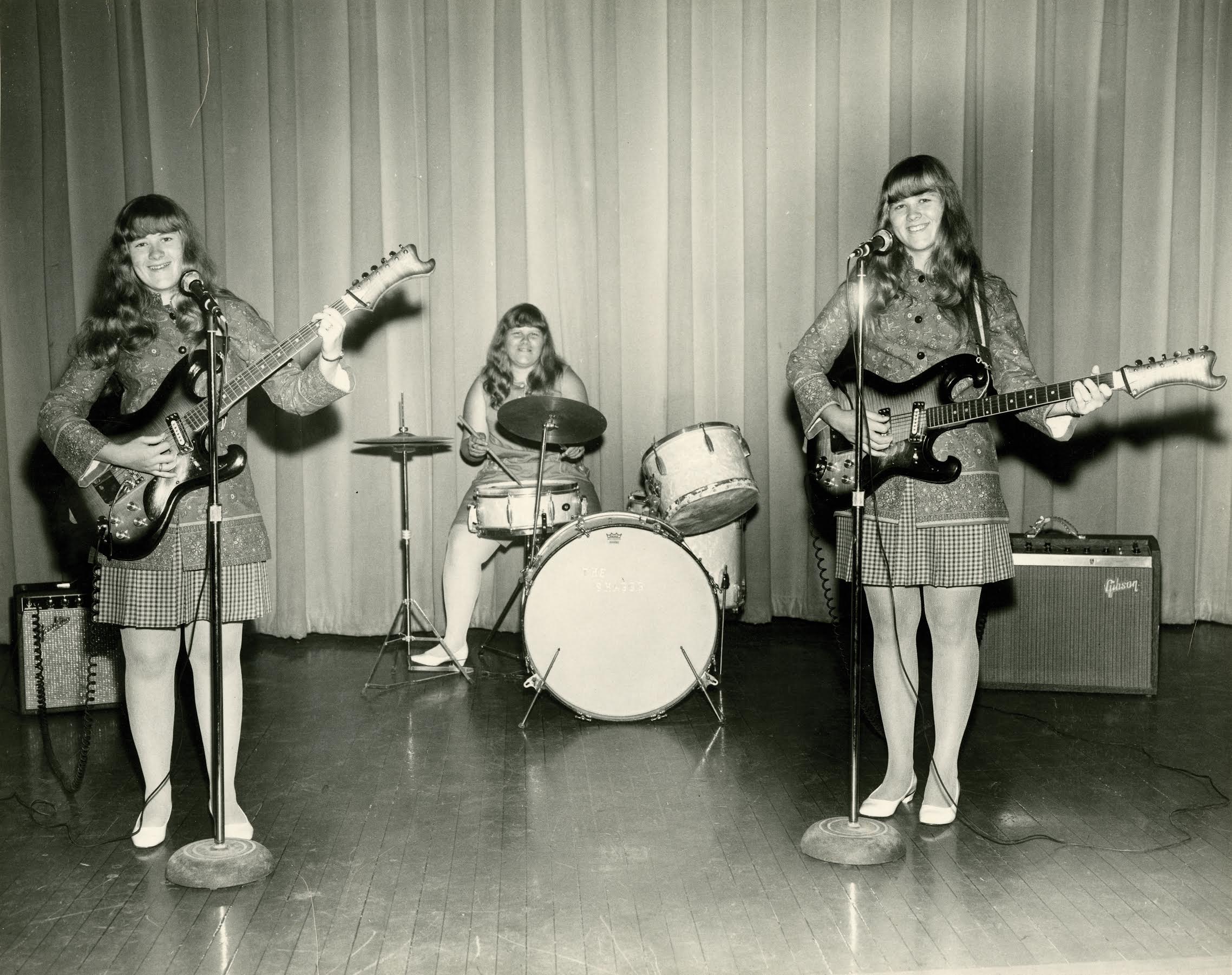


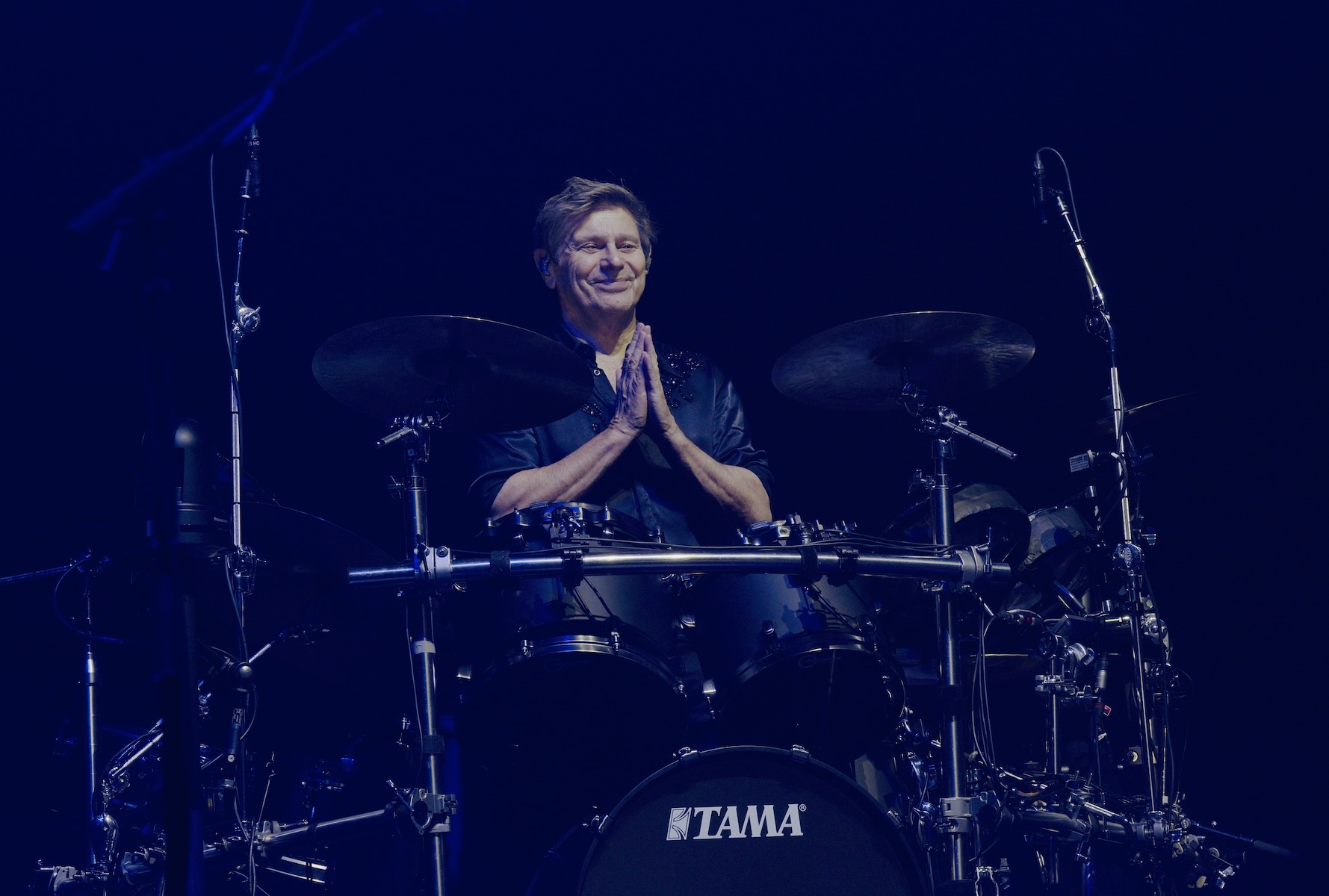
It’s a classic awards show paradox: a cavernous arena, a television audience of millions, and one artist alone on stage with nothing but an acoustic guitar. So how do producers make that quiet moment feel like the biggest thing in the room?
A Philosophy of Focus
The magic trick
begins months before the show, with a core philosophy shared by the best production designers in the business: create intimacy through focus. For a solo acoustic set, the goal isn't to fill the stage with flashy distractions but to strategically eliminate them. It's an exercise in minimalism that runs counter to the bombastic, pyro-filled performances that often define arena shows. The idea is to make the audience, both in the venue and at home, feel like they're leaning in to hear a secret. This is achieved not by adding more, but by taking almost everything away, forcing every eye in the building onto the storyteller and their song. This approach treats the stage as a canvas where negative space is the most powerful tool.
Sculpting with Light
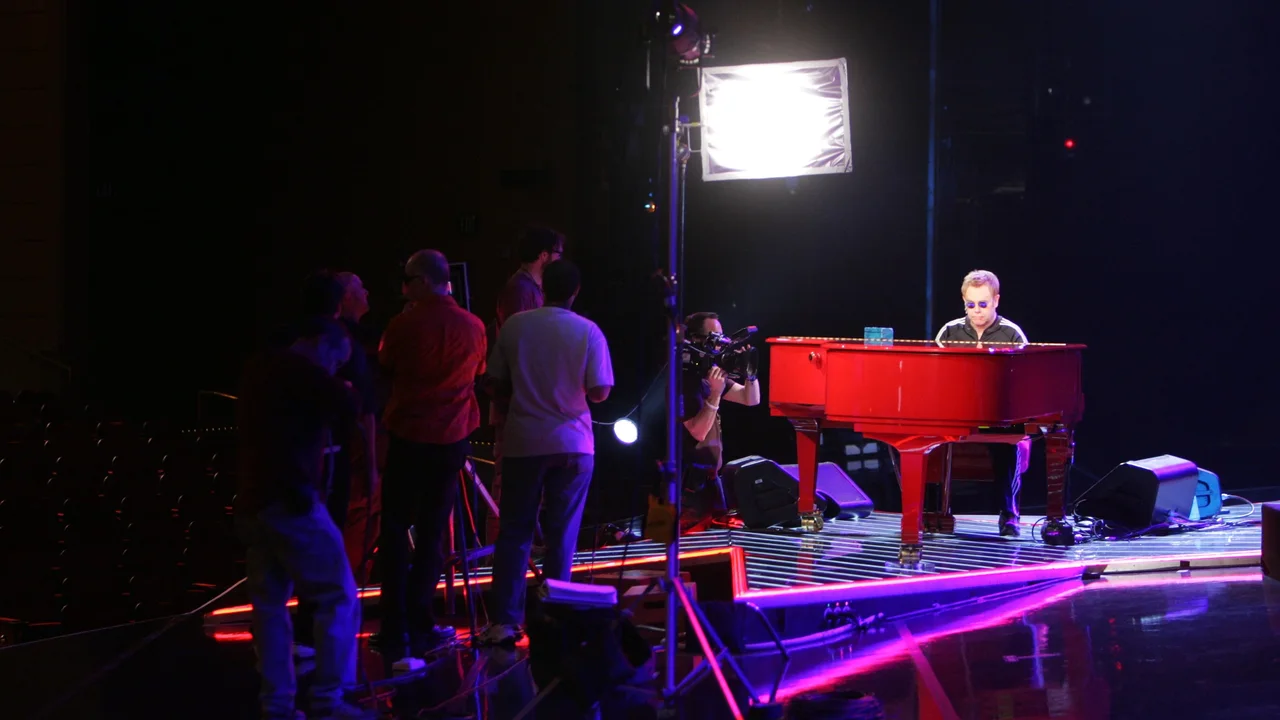
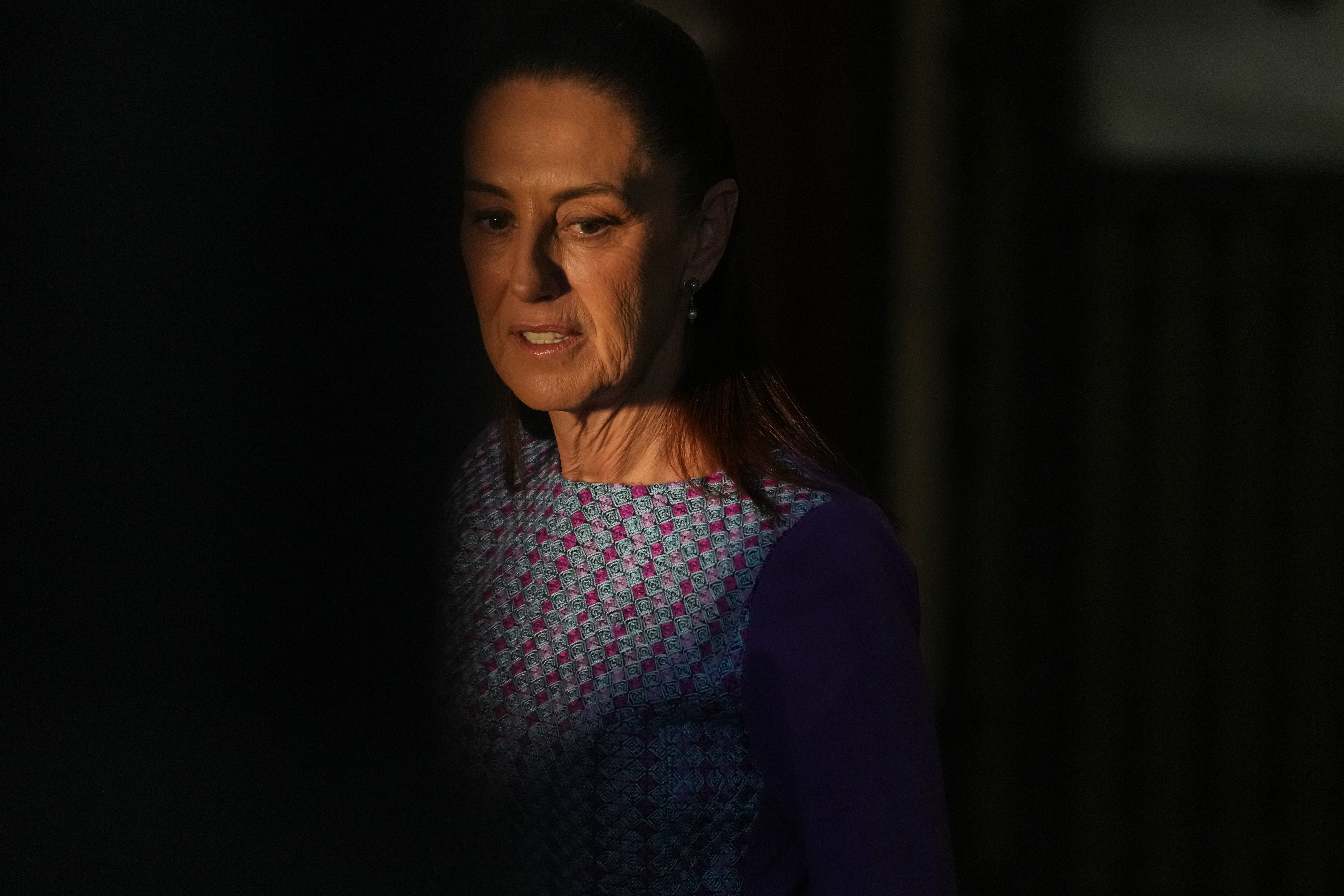
Forget a simple, harsh spotlight. Modern stage lighting is an art of subtle sculpting. For an acoustic performance, lighting designers use a technique often called 'three-point lighting' or a variation of it. This involves a key light (the main source), a fill light (to soften shadows), and, most importantly, a backlight. This backlight is what separates the artist from the background, creating a halo effect that gives them dimension and makes them 'pop' from the darkness. The rest of the arena is often plunged into near-total blackness. This extreme contrast shrinks the perceived space, making the illuminated artist the undeniable center of the universe. Cool tones like blues and greens can evoke calmness, while warm tones can create a sense of energy and intimacy. By keeping the light tightly focused on the performer, the vastness of the venue simply disappears.
When Video Screens Whisper
Today’s stages are wrapped in acres of high-resolution LED screens, but for an intimate performance, their role changes dramatically. Instead of displaying rapid-fire graphics or close-ups of the artist’s face, the screens are used to create atmosphere. They might show a single, slow-moving image, like drifting clouds or a subtle, painterly texture that complements the song’s emotional arc. The colors are often muted and the movement is almost imperceptible. This transforms the video wall from a jumbotron into a dynamic piece of scenery. It provides a backdrop that adds emotional depth without pulling focus from the human element at the center of the stage. The screen becomes a supporting character, whispering behind the lead vocal rather than shouting over it.
The Sound of an Empty Room
Visually shrinking the room is only half the battle; the audio experience is just as crucial. An audio engineer's job during a solo acoustic set is to make one instrument sound as rich and all-encompassing as an orchestra. They use a combination of high-quality microphones, subtle reverb, and precise equalization to make the guitar fill every corner of the arena without sounding artificially loud. The reverb is key—it can simulate the acoustics of a small, warm club or a cavernous hall, depending on the desired effect. For the television broadcast, the mix is even more critical. The sound is carefully balanced to create a sense of presence and clarity, ensuring that every picked string and breath from the vocalist feels immediate and personal, as if they're performing in your living room, not a 20,000-seat venue.