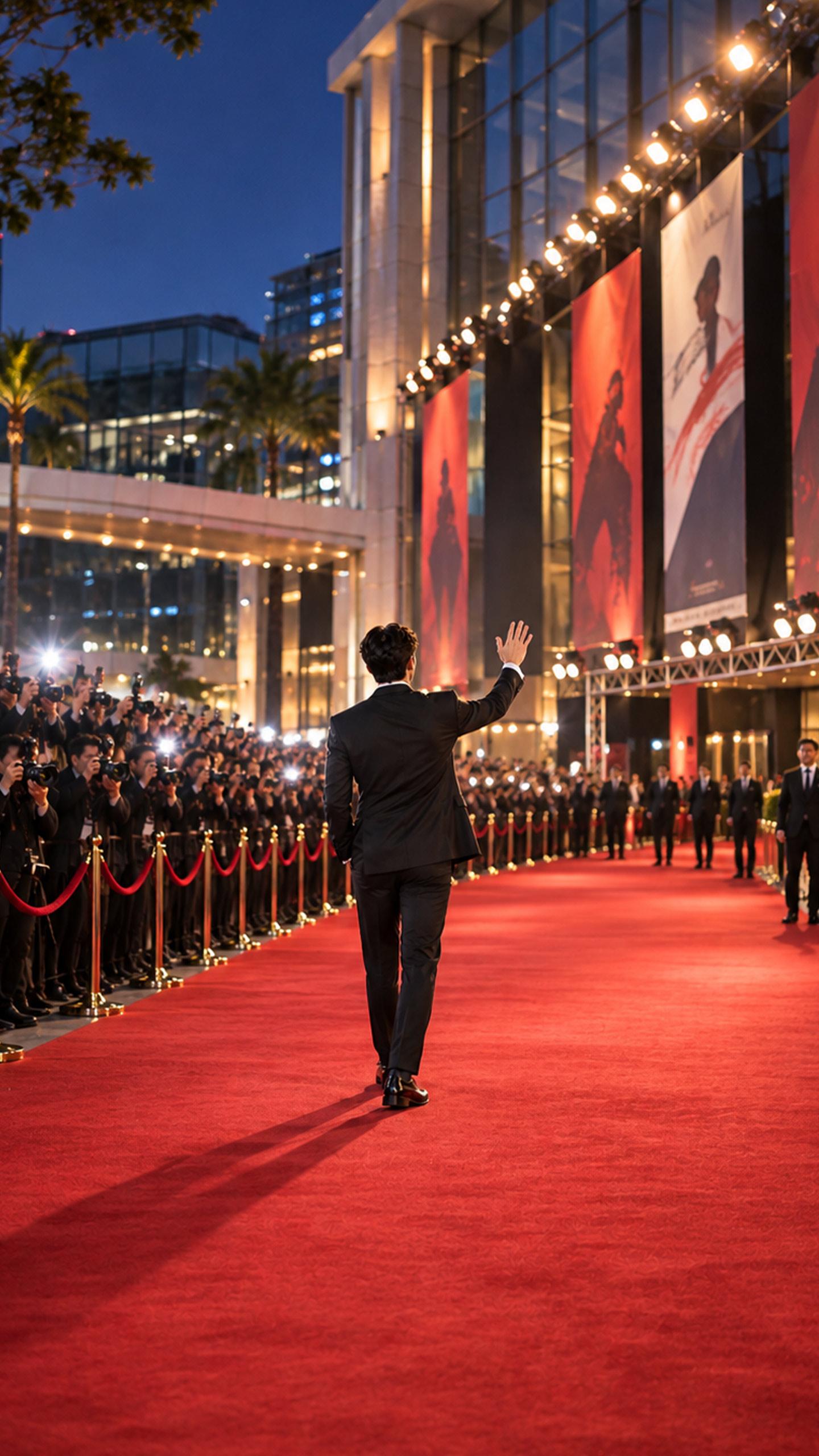



An awards show is more than a parade of winners; it's a piece of television theater. As the 2026 Latin Grammys approach, the real show lies in how its producers will guide millions of viewers on a carefully crafted emotional journey.
The High-Energy Kickoff
Like any great concert,
the Latin Grammys don't ease you in; they pull you in. Expect the show to open with a high-octane, multi-artist medley. This isn't just about starting with a bang. It’s a strategic move designed to unite generations and genres from the very first note. By blending a current reggaeton superstar with a salsa legend or a rising pop act, the opening number serves as a thesis statement for the entire night: this is a celebration of the depth and breadth of Latin music. It’s a shot of adrenaline that sets a communal, celebratory tone and hooks viewers who might be channel-surfing, ensuring they stick around for the quieter, more heartfelt moments to come.
The Tribute as an Emotional Anchor
Somewhere in the middle of the show, after the initial excitement has peaked, producers will deploy their most reliable emotional tool: the tribute. The Person of the Year segment, along with other lifetime achievement honors, is the show’s heart. These extended packages are immune to the tension of competition. There's no envelope, no list of nominees. Instead, it’s a moment of pure, unadulterated appreciation. By dedicating a significant block of time to an icon's career, the broadcast grounds itself in history and legacy. Younger artists performing a legend's classic songs creates a powerful, cross-generational bridge. This segment acts as an emotional anchor, providing a moment of collective reverence that brings everyone in the room, and at home, onto the same page.
Managing Tension with Award Flow
The distribution of the awards themselves is a masterclass in pacing. The 'Big Four' categories—Record of the Year, Album of the Year, Song of the Year, and Best New Artist—are rarely, if ever, given out back-to-back. Instead, they are strategically placed throughout the three-hour broadcast, acting as narrative pillars. In between, producers slot in genre-specific awards, like Best Ranchero/Mariachi Album or Best Tango Album. This does two things. First, it ensures the show serves its primary industry function of honoring a wide array of artists. Second, it creates a rhythm of tension and release. The energy builds toward a major award, crests with the winner’s speech, and then recedes, allowing the audience to breathe before the cycle begins again. This prevents viewer fatigue and keeps the stakes feeling high all night.
Crafting Unforgettable 'Watercooler' Moments
Beyond the scheduled awards and tributes, the show’s producers are always hunting for 'watercooler' moments—those unexpected collaborations and surprise performances that will dominate social media feeds the next day. These are the wild cards in the emotional deck. Think of a rock icon performing with a bachata star, or a surprise reunion of a beloved band. These moments are designed to feel spontaneous, even if they are meticulously planned. They inject a jolt of unpredictability into an otherwise structured format, creating the feeling that anything can happen. They serve as memorable exclamation points in the show's narrative, ensuring that even viewers who are casual fans leave with a specific, sharable memory of the night's magic.