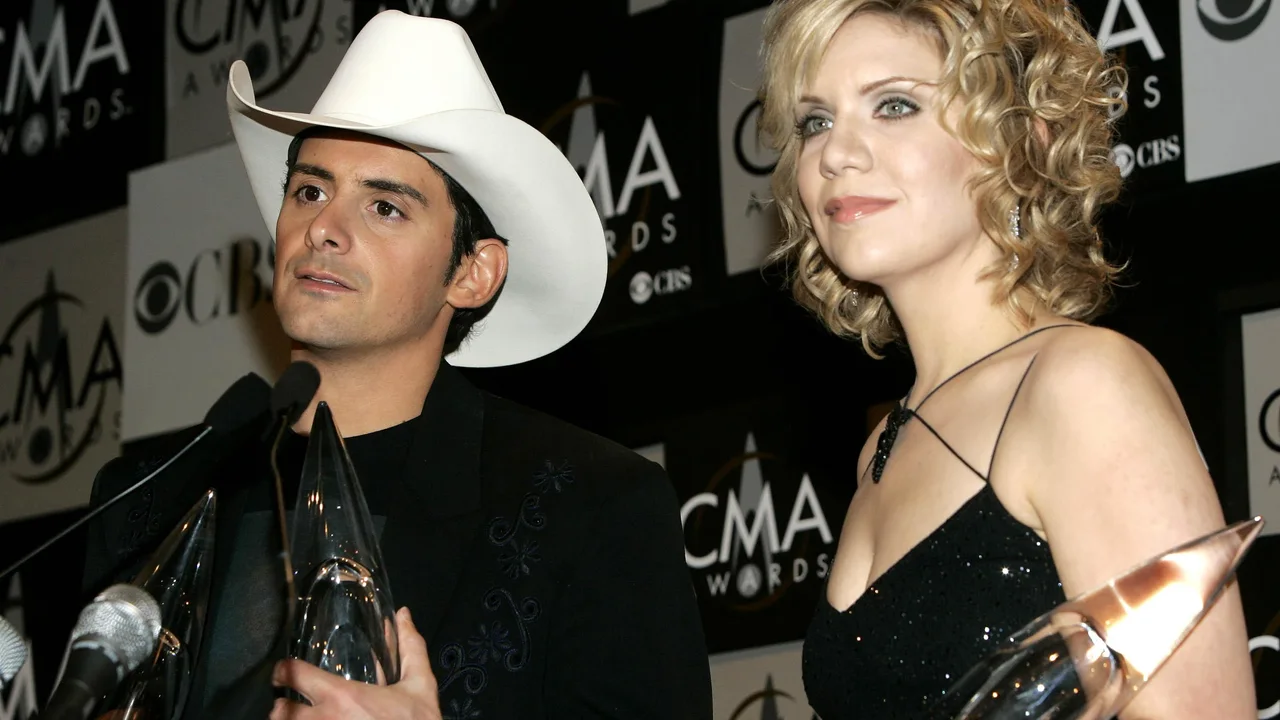



When you watch the CMA Awards, you see a seamless parade of country's biggest stars. But behind the curtain, an audio team is fighting a high-tech war to make sure every single act, from rock-heavy to traditional, sounds exactly like themselves.
The Two-Show Dilemma
The first
thing to understand is that the CMA Awards broadcast is actually two completely different shows happening at once. There's the 'front of house' (FOH) mix, which is the sound the 15,000 people inside Nashville's Bridgestone Arena hear. That mix is designed to fill a massive, loud space and create an explosive live concert feel. Then there's the broadcast mix, which is what the millions of viewers at home hear. This second mix is created in a separate production truck, often parked outside the venue, by a dedicated broadcast music mixer. The broadcast mixer gets clean, raw audio feeds from every microphone and instrument on stage. Their job is to build a pristine, detailed mix that sounds perfect on everything from a high-end home theater system to a smartphone speaker—a totally different goal than the in-arena sound.
An Army of Artists, An Army of Sounds
Unlike a concert for a single band, an awards show is a revolving door of unique sonic identities. One 10-minute segment might feature three different artists with wildly different sounds. Imagine the transition from a thunderous, guitar-driven Jelly Roll performance to the intricate harmonies and acoustic precision of a band like Little Big Town, followed by the classic warmth of a Chris Stapleton vocal. Each artist arrives with their own band, their own instruments, and often their own engineers who are fiercely protective of a signature sound they've spent years perfecting. The audio team's job isn't to create a uniform 'CMA sound'; it's to faithfully reproduce each artist's distinct audio personality under immense pressure. This requires intense collaboration and communication between the show's audio department and each artist's team.
The Tyranny of the Clock
In a normal concert setting, a band gets an extensive soundcheck to dial in every detail. On a live awards show, that luxury vanishes. Performances are often just three to four minutes long, with changeovers happening in as little as 90 seconds. There is absolutely no time to soundcheck a full band between acts. The solution lies in meticulous planning and technology. During pre-show rehearsals, the audio team works with each artist to build a 'snapshot' of their mix on a digital console. This snapshot saves thousands of parameters—from individual microphone levels to complex effects settings. When it's showtime, the broadcast mixer can recall a specific artist's snapshot with the press of a button, giving them a solid starting point that they then fine-tune in real time as the performance happens live.
The Unsung Heroes in the Truck
Pulling this off requires a team of highly specialized engineers, led by an Audio Producer who oversees the entire sonic operation. Key players include the FOH mixer (for the arena), the monitor mixer (who creates custom mixes for the artists' in-ear monitors so they can hear themselves), and the broadcast music mixer. These are seasoned professionals who have worked on everything from the GRAMMYs to the Super Bowl Halftime Show. They balance the artistic demands of dozens of performers with the unforgiving technical requirements of live television. While the FOH mixer is making the walls shake inside, the broadcast mixer is in their isolated truck, obsessing over the clarity of a lead vocal or the punch of a snare drum, ensuring the energy of the live stage translates perfectly through the screen.