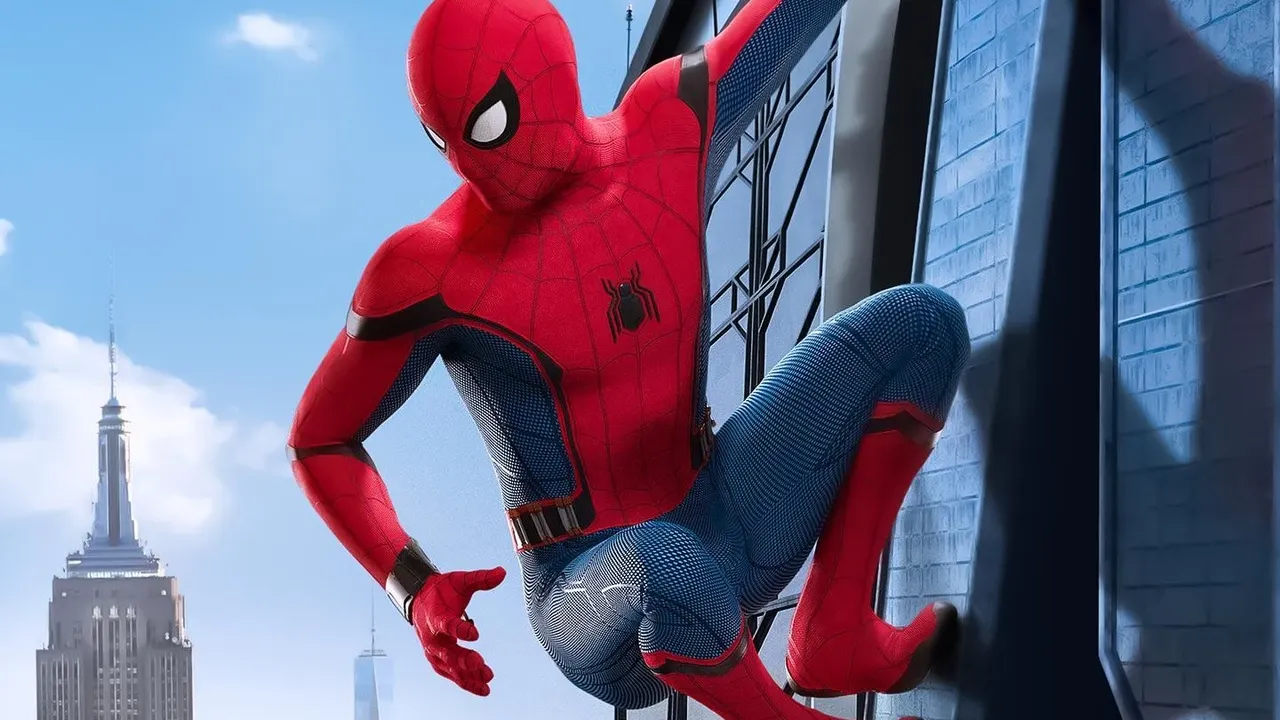

In a film defined by an upside-down kiss in the rain and soaring web-slinging, it's easy to forget the quiet moments. But the tense Thanksgiving dinner in Sam Raimi's 2002 'Spider-Man' is not just a holiday meal gone wrong; it's a masterclass.
An Awkward Holiday Dinner
The setup
is a pressure cooker of early-2000s drama. The scene takes place in the apartment Peter Parker (Tobey Maguire) shares with his best friend, Harry Osborn (James Franco). It's the first Thanksgiving since Uncle Ben's death, and Aunt May (Rosemary Harris) is trying to maintain a sense of normalcy. Harry, meanwhile, is nervously introducing his new girlfriend, Mary Jane Watson (Kirsten Dunst), to his demanding father, Norman Osborn (Willem Dafoe). Both Peter and Norman arrive late, fresh from a brutal battle as Spider-Man and the Green Goblin, though neither knows the other's secret. The air is thick with unspoken rivalries, grief, and the simmering tension of a superhero and his arch-nemesis about to carve a turkey.
The Villain's Sinister Realization
The brilliance of the scene hinges on Willem Dafoe’s chilling performance. He arrives with a fruitcake and a duplicitous charm, but his eyes are constantly scanning, calculating. The pivotal moment comes when Aunt May points out a fresh cut on Peter’s arm, which he blames on a bike messenger. Norman’s face barely flickers, but the audience, knowing he inflicted that wound as the Green Goblin just moments before, feels a jolt of terror. His politeness curdles into something menacing. He excuses himself abruptly, his mind racing with the revelation: his son’s unassuming best friend is his greatest enemy. The discovery isn't made in a climactic battle, but over sliced turkey and strained small talk, making it infinitely more unsettling. This turn gives the Green Goblin a new, terrifyingly personal mission: to hurt Spider-Man by targeting the people in this very room.
A Crucible for Every Character
Beyond the plot mechanics, the dinner is a microcosm of the entire film’s emotional conflicts. For Peter, it’s the agony of his double life made manifest, forced to sit across from his enemy while hiding his love for MJ. For Harry, it’s a desperate plea for his father’s approval that ends in humiliation when Norman cruelly insults Mary Jane. For MJ, it’s the realization that her relationship with the wealthy Harry is built on a fragile foundation, pushing her further toward her idealized image of Spider-Man. Even the costuming tells a story: Peter wears a green and purple shirt (the Goblin's colors), while Norman wears a red and blue tie (Spider-Man's colors), visually representing the secrets they carry. It’s a scene where every character’s B-plot is brought to a boil, proving that the drama is just as compelling as the action.
The Antithesis of Modern Superhero Spectacle
Perhaps the main reason the scene is overlooked is that it represents a type of superhero storytelling that has become rare. In an era dominated by sprawling cinematic universes and rapid-fire quips, Raimi dedicated significant screen time to a slow-burn, dialogue-driven confrontation. There are no explosions or CGI, just palpable tension and stellar character acting. The scene feels more like a stage play than a blockbuster sequence. It’s a distinctly 'Raimi' moment, blending earnest melodrama with hints of horror. While modern comic book movies often favor faster pacing, this scene argues that the most powerful moments are often the most intimate, where the masks come off and the human stakes are laid bare on the dinner table.