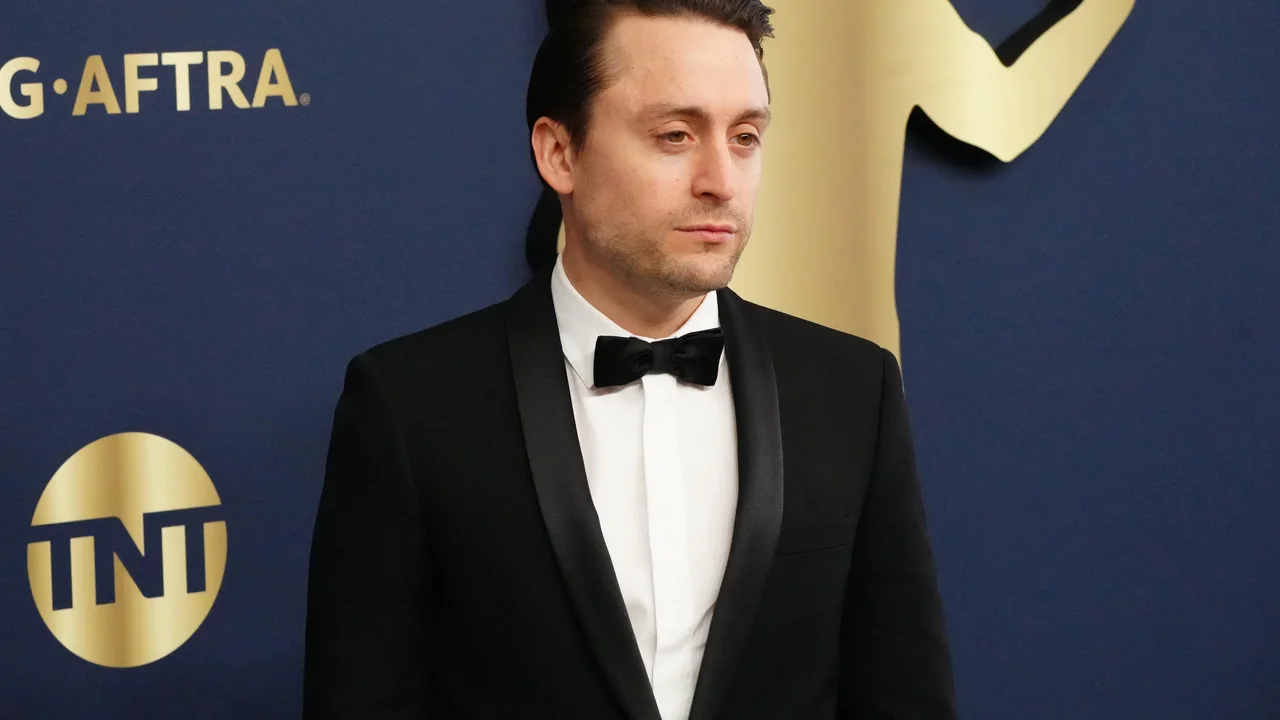




The world of Panem is returning, and with it comes a fascinating recasting. Kieran Culkin will play the master of ceremonies, Caesar Flickerman, in the prequel 'Sunrise on the Reaping.' It’s a move that could brilliantly reshape the character.
The Unforgettable Original
First, let's
give the man his due: Stanley Tucci’s Caesar Flickerman is an all-time great character portrayal. With his gleaming smile, ever-changing hair color, and unnerving professional warmth, Tucci created the perfect face for the Capitol's gilded barbarism. His Flickerman was a master showman, a consummate professional whose job was to package child murder as prime-time entertainment. He was so good at it, so charmingly amoral, that audiences were often tricked into liking him, despite knowing what he represented. Tucci played him as a man completely at home in the spectacle, a smiling vessel of propaganda whose humanity seemed to have been surgically removed along with any sign of aging. That larger-than-life performance set a high bar and became a key part of the franchise's DNA.
An Entirely Different Animal
Enter Kieran Culkin. If Tucci’s Flickerman was smooth, polished, and impenetrable, Culkin’s signature characters are anything but. Fresh off his career-defining, award-winning role as Roman Roy in 'Succession,' Culkin has become synonymous with a very different kind of energy: nervous, sharp-tongued, and deeply vulnerable. His characters often use wit and sarcasm as a shield to hide a festering well of insecurity. Where Tucci’s Flickerman was a performance of pure artifice, Culkin excels at showing the cracks in the facade. You can always see the scared, damaged person clawing at the inside of the confident shell. This is not the energy of a man who is comfortable in his own skin; it's the energy of a man who desperately wishes he were.
A More Ambitious, Desperate Showman
The upcoming prequel, 'The Hunger Games: Sunrise on the Reaping,' is set during the 50th Hunger Games, 24 years before Katniss Everdeen’s story. This setting provides the perfect justification for a new take. This isn't the established veteran Caesar; this is a younger, more ambitious man trying to become that icon. Culkin himself expressed initial fears about taking over the role, not wanting to do a mere impression of Tucci. According to the actor, director Francis Lawrence encouraged him to find his own interpretation, noting that this Caesar is at a different point in his life. A Culkin-led Flickerman could be a man buzzing with the desperate need to please, to climb the Capitol's social ladder. His jokes might land with a nervous sweat. His on-air charm could be visibly strained, revealing glimpses of the man behind the microphone who knows his success is built on a foundation of horror. It would make the character less of a symbol and more of a person—a deeply compromised one.
Exposing the Rot from Within
A more psychologically transparent Flickerman would do more than just offer a new take on a character; it would change the audience's relationship with the Capitol itself. Tucci’s version made the Capitol feel like a monstrous, alien place. Its citizens were so detached from reality that their cheerful cruelty was almost cartoonish. A Flickerman played by Culkin, however, could expose the rot from within. Imagine a host whose complicity is a visible burden. Instead of a simple villain, we might get a tragic figure: a man who sold his soul for fame and has to live with the consequences every time the cameras turn on. This interpretation would make Panem's evil feel more grounded and recognizable. It’s not just the system that’s monstrous; it’s the ordinary people who, through ambition, fear, or moral cowardice, allow it to continue. Culkin's ability to be simultaneously loathsome and sympathetic makes him uniquely qualified to explore that uncomfortable territory.