
The Two Worlds of Country Music
To understand the weight of McGraw's performance, you first have to understand the two worlds he stood between. The first is the neotraditionalist boom of the 1990s. It was an era of story-songs, fiddle and steel guitar, and artists in Wranglers and cowboy
hats who built careers on radio hits and relentless touring. This is the era that birthed Tim McGraw. The second world is the country landscape of 2026: a genre-fluid, streaming-driven universe where success is measured in viral TikTok sounds and collaborations can come from anywhere, including pop and hip-hop. It’s the era of artists like Ella Langley and Zach Top, who are navigating a world where tradition coexists with algorithm-fueled trends. For years, the question has been whether these two worlds can speak the same language. McGraw’s performance answered with a resounding 'yes'.
A Performance in Three Acts
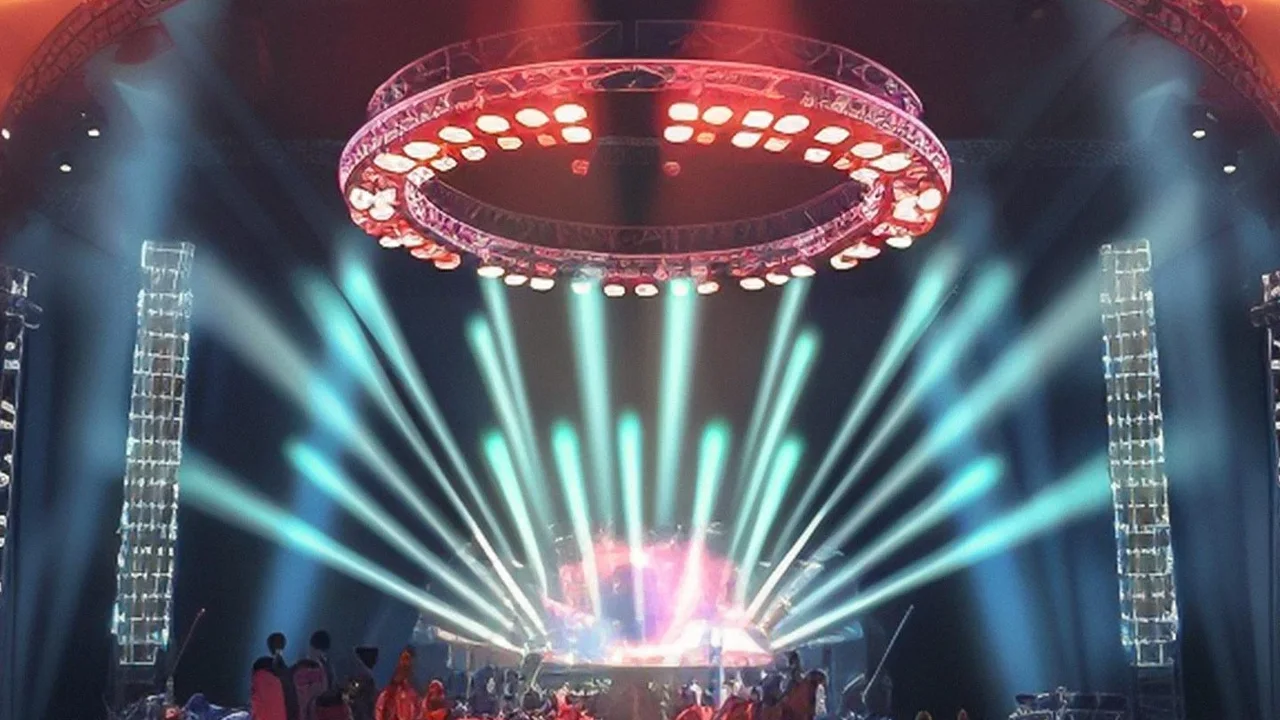
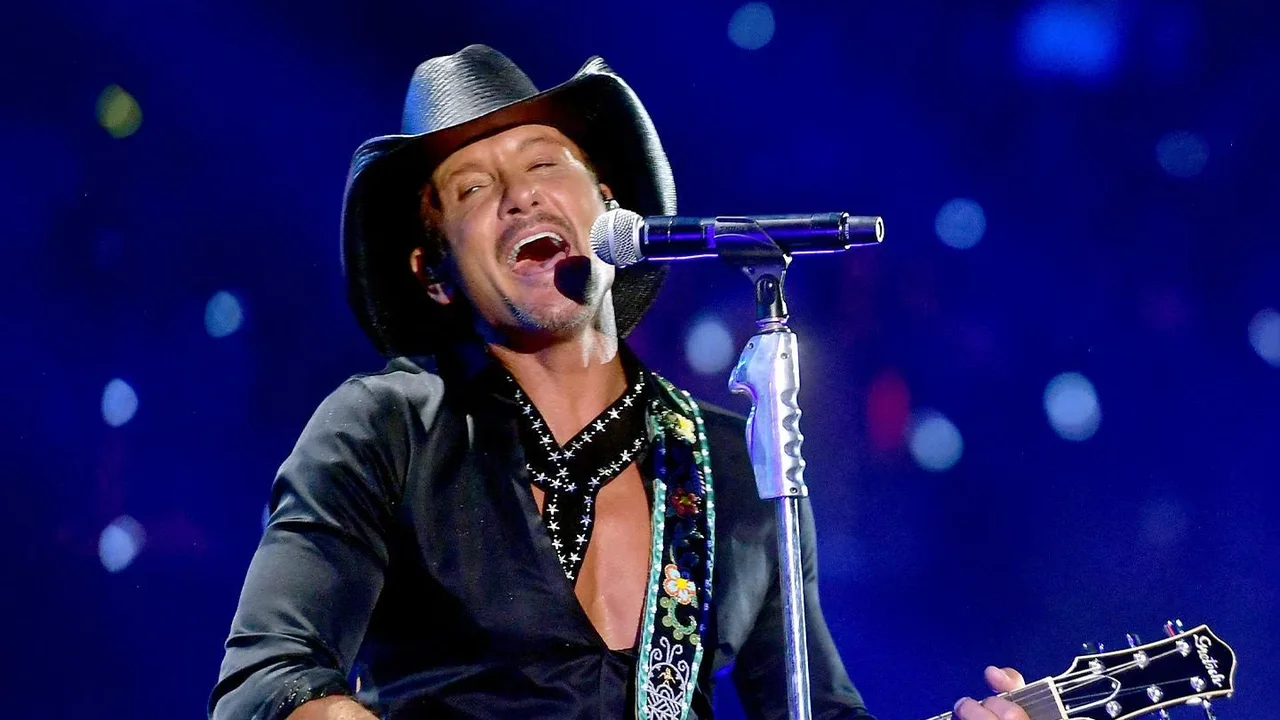
The genius of the performance was in its structure. McGraw walked out alone, acoustic guitar in hand, and began with 'Don't Take the Girl,' his career-making narrative ballad from 1994. The arrangement was sparse, intimate, and steeped in the '90s country that made him a star. The audience sang every word back to him, a testament to the song's enduring power. But then, as the final notes faded, the stage lighting shifted from a warm glow to a vibrant, modern pulse. The sound swelled, and McGraw was joined by Lainey Wilson, one of the defining voices of the new generation. Together, they launched into a high-energy duet of 'I Like It, I Love It,' a song that bridges McGraw's '90s heyday with a timeless, party-starting energy. This combination—the heartfelt story-song followed by the cross-generational anthem—was a deliberate journey through country's evolution.
Why McGraw is the Perfect Bridge
Not every artist could have pulled this off. What makes Tim McGraw uniquely suited for this role is his career-long balancing act. He’s a traditionalist who was never afraid to be modern. He came up as a 'hat act' but quickly became a crossover star through duets with his wife Faith Hill, rapper Nelly, and pop superstar Taylor Swift. He’s respected by the old guard for his storytelling roots and admired by the new school for his willingness to evolve. This dual identity has given him a rare kind of authority. When he sings a classic, it feels authentic. When he embraces a modern sound, it feels credible. He’s not just playing two different roles; he’s showing how they are part of the same continuum. His career itself is the bridge.
The Night's Unspoken Message
The standing ovation that followed the performance felt like more than just applause for a job well done. It was a collective sigh of relief and a moment of recognition. In a single performance, McGraw reminded the industry that honoring the past doesn't mean being trapped by it, and embracing the future doesn't require abandoning your roots. He connected the narrative depth of the '90s with the sonic energy of the 2020s, proving they come from the same wellspring of storytelling. The performance offered a clear message for a genre in the midst of a dynamic identity shift: there is room for everyone at the table. The past and future of country music aren't in conflict; they’re in conversation.