
The Gritty, Cynical Origins
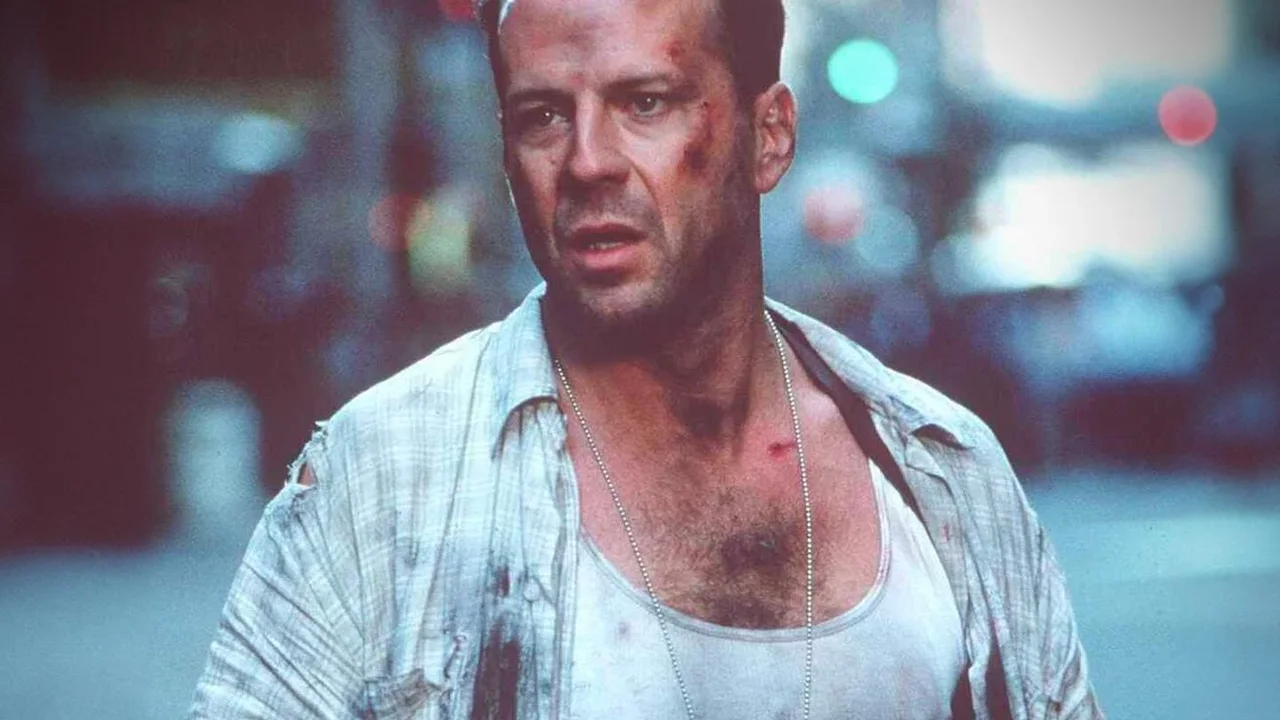
The DNA of the buddy cop movie was coded in the 1970s, a cynical and gritty decade for American cinema. Early entries like 'Freebie and the Bean' (1974) were less about witty banter and more about the grim realities of urban crime. These films established
the core trope of mismatched partners but framed it within a darker, more violent world. Before the genre became a blockbuster-comedy staple, it began as an extension of the era's tough, morally ambiguous crime thrillers. The partnerships were fraught with genuine conflict, reflecting a society grappling with rising crime rates and a loss of faith in institutions. Even earlier, films like 'In the Heat of the Night' (1967) used the unwilling partnership to explore deep-seated racial tensions in America, proving the format could be a vehicle for potent social commentary.
The 80s Blockbuster Formula
The 1980s is when the buddy cop genre truly exploded into the cultural consciousness, thanks to two landmark films: '48 Hrs.' (1982) and 'Lethal Weapon' (1987). '48 Hrs.' didn't just pair a gruff cop (Nick Nolte) with a fast-talking convict (Eddie Murphy); it created a template for action-comedy and biracial pairings that Hollywood would replicate for decades. 'Lethal Weapon' perfected it, giving us the unforgettable duo of the steady, family-man Roger Murtaugh and the volatile, suicidal Martin Riggs. These films were products of their time, reveling in a kind of hyper-masculine bravado, explosive action, and a casual approach to police brutality that was played for cheers. The racial dynamic was also a key, if complicated, component. Often, the partnership between a white and Black officer was presented as a microcosm of racial healing, even as it sometimes relied on stereotypes.
The Rise of Global Comedy
By the 1990s, the formula was so established it was ready for a high-gloss makeover. Michael Bay’s 'Bad Boys' (1995) offered a slick, high-energy take, notably featuring two Black leads in Will Smith and Martin Lawrence, a significant step for the genre. But the biggest evolution came with 'Rush Hour' (1998), which swapped the domestic racial dynamic for a cross-cultural one, pairing an American cop (Chris Tucker) with a Hong Kong detective (Jackie Chan). The focus shifted more heavily toward comedy, with culture-clash jokes and Chan’s signature martial arts action taking precedence over the gritty crime-solving of the past. These films were less about the dark souls of troubled cops and more about the comedic potential of forcing two wildly different people to work together on a global stage.
The Modern Deconstruction
Today, it's nearly impossible to make a straight-faced 80s-style buddy cop film. The tropes that once defined the genre—the loose-cannon cop who destroys public property, the casual violence, the questionable ethics—are now viewed through a more critical lens. This shift gave rise to the era of parody and deconstruction. Films like 'The Other Guys' (2010) and '21 Jump Street' (2012) aren't just buddy cop movies; they are movies about buddy cop movies. They actively mock the clichés: the gratuitous explosions, the absurd car chases, and the very idea of a 'renegade cop'. '21 Jump Street' even has a character explicitly state that the police are reviving an old program because they're out of creative ideas, a meta-commentary on Hollywood itself. These satires work because audiences are now so fluent in the genre's language that the humor comes from subverting expectations.