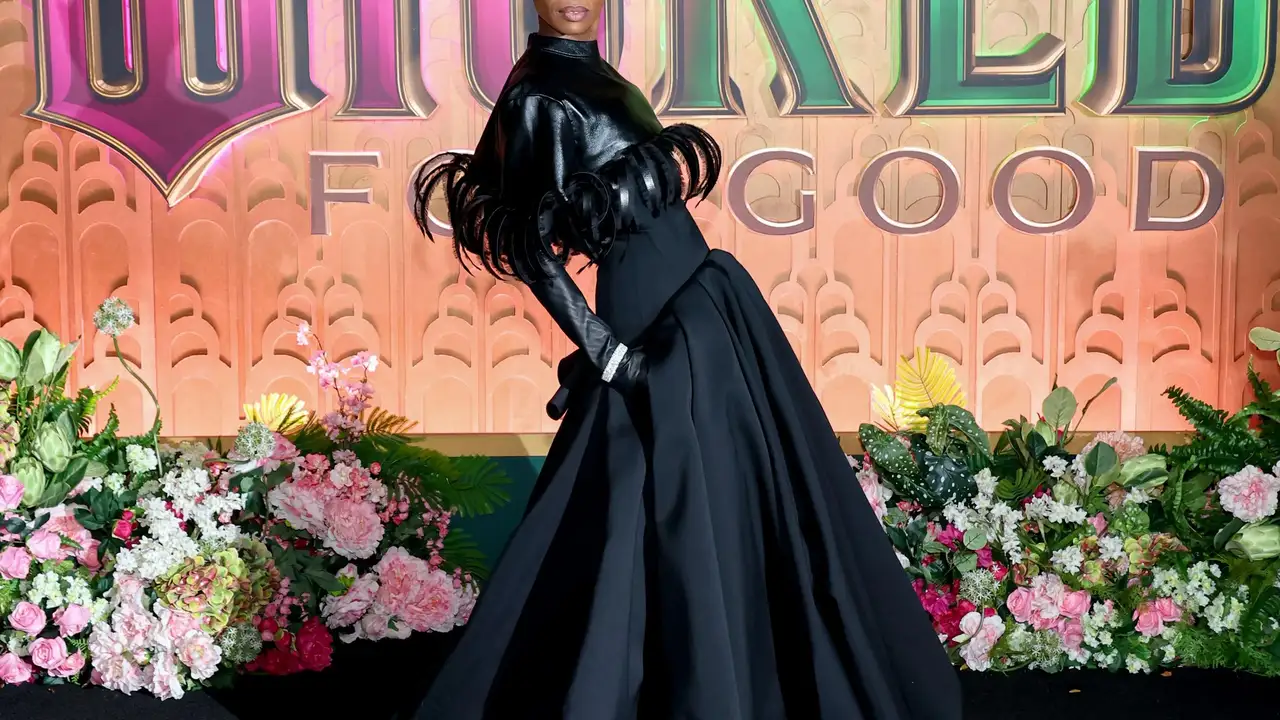




In the sprawling, spectacle-filled world of 'Wicked,' the quiet duet 'For Good' arrives as the show’s emotional center. But for musical theater purists, its power isn't just in the tears it draws; it’s a masterclass in songwriting.
The Quiet Before the Finale
Placed near the end
of Act II, 'For Good' serves as the final, honest farewell between Elphaba and Glinda. After the high-flying drama of 'Defying Gravity' and the gut-wrenching turmoil of 'No Good Deed,' the show slows to a near halt. This quiet moment strips away the spectacle of Oz, leaving only two former friends to confront the profound impact they've had on each other's lives. It's a moment of accountability and mature reflection, where both characters acknowledge their shared history and separate futures. Book writer Winnie Holzman is credited with coming up with the title, telling composer Stephen Schwartz that the characters had changed each other 'for good'—a phrase with a poignant double meaning that became the song's foundation. For seasoned theatergoers, this deliberate shift in pacing is everything, providing an emotional catharsis that hinges not on magic, but on a deeply human connection.
A Masterclass in Musical Motifs
Stephen Schwartz’s score for 'Wicked' is famously thematic, weaving leitmotifs throughout to add layers of meaning, much like in an opera. 'For Good' is where this intricate musical architecture pays its most significant dividends. The most powerful element purists listen for is the subtle use of the 'Unlimited' theme—the soaring musical phrase first heard in 'The Wizard and I' that represents Elphaba’s boundless ambition and hope. Throughout the show, this theme appears in various forms, often hinting at irony or foreshadowing. In 'For Good,' the melody of the bridge ('And just to clear the air…') is built around this very theme. Once a symbol of individual dreams, it is now shared between Elphaba and Glinda, recontextualized to signify their mutual growth and the final, harmonious resolution of their journey. By finally singing it together, in unison, the theme of limitless potential is transformed into a statement of shared, lasting change.
Lyrics That Tell the Whole Story
Beyond the music, the lyrics of 'For Good' are a study in emotional precision. The song opens with Glinda’s tentative philosophical musing: 'I've heard it said that people come into our lives for a reason… but I don't know if I believe that's true. But I know I'm who I am today because I knew you.' This simple, direct confession sets a tone of raw honesty. The song avoids grand, poetic platitudes, instead opting for simple, resonant imagery—a comet pulled from orbit, a stream meeting a boulder, a handprint on the heart. These metaphors illustrate how their meeting was both a random act of chance and a powerful, unchangeable force. The moment of forgiveness, where Elphaba asks for it and Glinda admits 'there's blame to share,' is a crucial turning point that elevates the song beyond a simple goodbye into a mature act of reconciliation. It’s this lyrical depth, which acknowledges the complexities and imperfections of their friendship, that makes the song resonate so deeply.
The Performance Makes the Moment
A song this delicate lives or dies in its performance. For fans, the magic is in the chemistry between the two leads and the subtle choices they make. It's not a belt-heavy number like 'Defying Gravity,' but a showcase for vocal control and emotional vulnerability. The staging is often minimal, forcing the audience to focus on the micro-expressions and quiet gestures between the characters. The beauty lies in the harmonies; as the two sing together, their voices blend to signify their union, but they also sing distinct lines that honor their individuality. The final lines, as they sing 'Because I knew you… I have been changed… for good' in unison, are a culmination of their entire relationship. It's a moment of profound connection that feels earned after two and a half hours of conflict and misunderstanding. For those who love the craft of theater, watching two performers navigate this intricate emotional landscape is the ultimate payoff.