
There’s a unique ache that comes with watching a Thanksgiving movie. It’s more than just holiday nostalgia; it’s a deep, cinematic homesickness. But why do these films hit that nerve so perfectly, turning turkey and travel into a potent emotional cocktail?
The Fantasy of the 'Perfect' Home
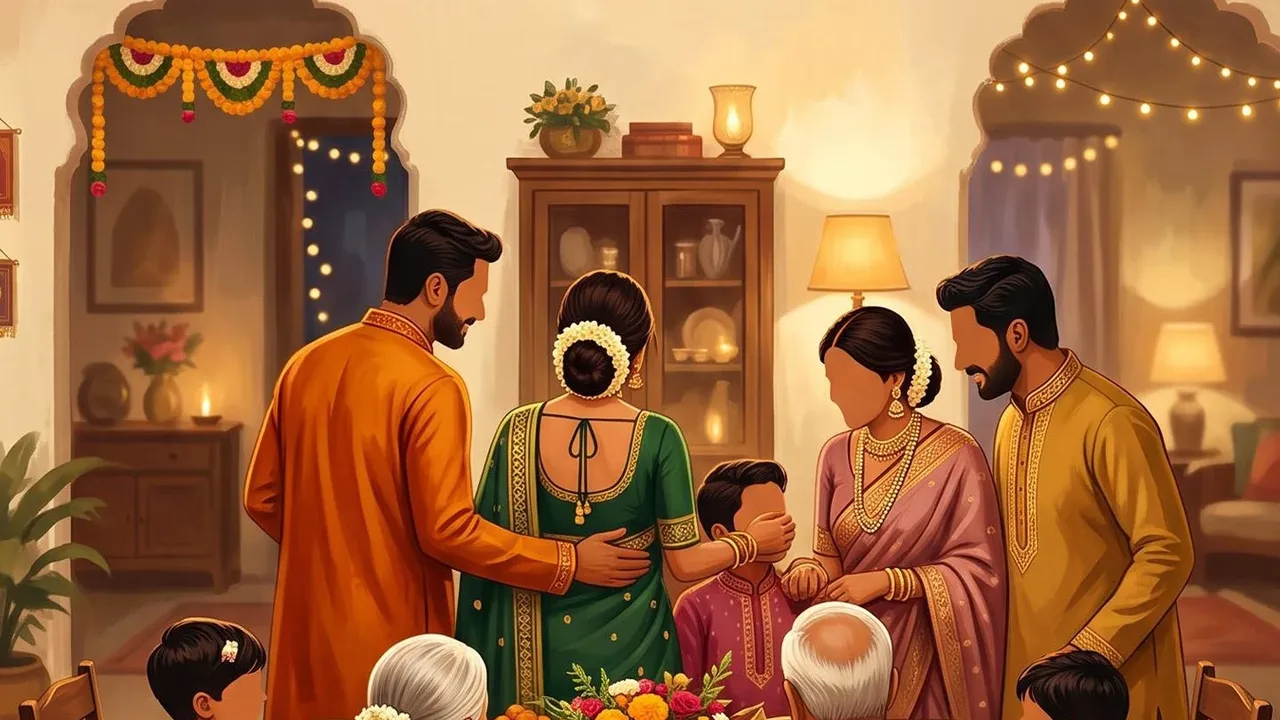
Filmmakers are masters of crafting an idealized version of home, one that often feels just out of reach. Thanksgiving movies, in particular, lean into this by creating a powerful sensory landscape. They use warm, golden lighting to evoke a sense of sweet nostalgia, making a family kitchen feel like the safest place on earth. The visuals are filled with soft-focus shots of crackling fires, perfectly browned turkeys, and autumnal decor that feel both aspirational and deeply familiar. This curated perfection creates a 'contrast effect' for the viewer. Psychologically, when we see these images of flawless togetherness, our brains become hyper-aware of what our own lives might lack, triggering a longing not just for a place, but for an idealized feeling of belonging and peace that home is supposed to represent. It’s a homesickness for a home that may have never truly existed, but feels like it should have.
The Agony of the Journey
Many great Thanksgiving stories are, at their core, travelogues about the desperate attempt to get home. The quintessential example is 'Planes, Trains and Automobiles' (1987). Neal Page's (Steve Martin) disastrous journey alongside the bumbling but good-hearted Del Griffith (John Candy) is more than a series of comedic mishaps; it's the physical manifestation of the emotional pull of home. The obstacles—the snowstorms, the broken-down cars, the missed connections—serve as external representations of the internal anxiety and longing to return to a place of comfort and familiarity. This narrative trope is effective because it taps into a universal experience. The frustration of holiday travel is relatable, but the film elevates it into a metaphor for the emotional distance we sometimes feel from our loved ones, making the eventual arrival feel that much more cathartic and meaningful.
The Comfort of Imperfection
Ironically, it's often the scenes of utter chaos that resonate the most. Films like Jodie Foster’s 'Home for the Holidays' (1995) excel at capturing the messy, dysfunctional, and deeply relatable reality of a family gathering. The film portrays a family reunion complete with simmering resentments, awkward conversations, and full-blown arguments over the dinner table. These moments capture a different kind of homesickness: a longing for the imperfect, authentic, and sometimes maddening embrace of one's own family. Seeing Holly Hunter's character navigate her well-meaning but neurotic parents and quirky siblings feels profoundly familiar. It reminds us that 'home' isn't a perfect sanctuary but a complicated space filled with people who know us better than anyone else. This cinematic dysfunction is validating; it makes viewers feel better about their own family dynamics and sparks a nostalgia for the specific, unique brand of chaos that defines their own holiday experiences.
The Ache of Lost Time
At the heart of many Thanksgiving movie scenes is a powerful sense of memory and the passage of time. In 'Home for the Holidays', a quiet, poignant scene shows the father watching old home movies, fondly recalling a brief, ten-second memory of his family that wasn't even captured on film. This moment speaks to a deeper truth: homesickness is often a form of grief for time that has passed and for people who are no longer with us. Del Griffith's heartbreaking confession in 'Planes, Trains and Automobiles' that his wife died years ago and he has no home to go to re-frames the entire film. His loneliness isn't just about being a traveler; it's about missing a person who was his home. These scenes tap into our own personal histories, reminding us of past holidays, of loved ones we've lost, and of the un-filmable moments that make up the fabric of our lives. The films become vessels for our own nostalgia, allowing us to mourn and cherish our personal histories through the shared experience of the characters on screen.