

It’s the song that leaves Wicked audiences in tears—a beautiful ode to friendship. But what if 'For Good' has a darker, more strategic purpose? This ballad's true power may lie in how it turns the audience against the people of Oz.
The Ultimate Friendship Anthem
For over two decades,
'For Good' has been the emotional centerpiece of the musical Wicked. It’s the tear-jerking farewell between two unlikely friends, Elphaba and Glinda, who have changed each other's lives irrevocably. The song is a cultural touchstone, a staple at graduations and memorial services, celebrated for its universal message of how people leave an indelible mark on one another. On the surface, its purpose is clear: to provide a moment of profound catharsis and connection, a quiet and beautiful duet that explores the depths of platonic love between two women. It’s the song everyone remembers, the one that encapsulates the musical’s heart. But its placement just before the story’s violent climax suggests a more complex and potent narrative function.
A Moment of Grace in a Land of Hate
To understand the song’s true power, you have to remember the state of Oz when it is sung. By the end of Act II, Elphaba is no longer a misunderstood schoolgirl; she is Public Enemy Number One. Madame Morrible and the Wizard have successfully branded her the 'Wicked Witch of the West', a dangerous monster who must be destroyed. An angry mob, fueled by state-sponsored propaganda and fear, is preparing to hunt her down. The world of Oz is steeped in lies, scapegoating, and xenophobia. It is in this charged, hateful atmosphere that Glinda finds Elphaba for their final meeting. The duet is a pocket of quiet humanity in a world that has lost its own, a final acknowledgment of their bond before the witch hunt reaches its peak.
How Empathy Becomes a Weapon
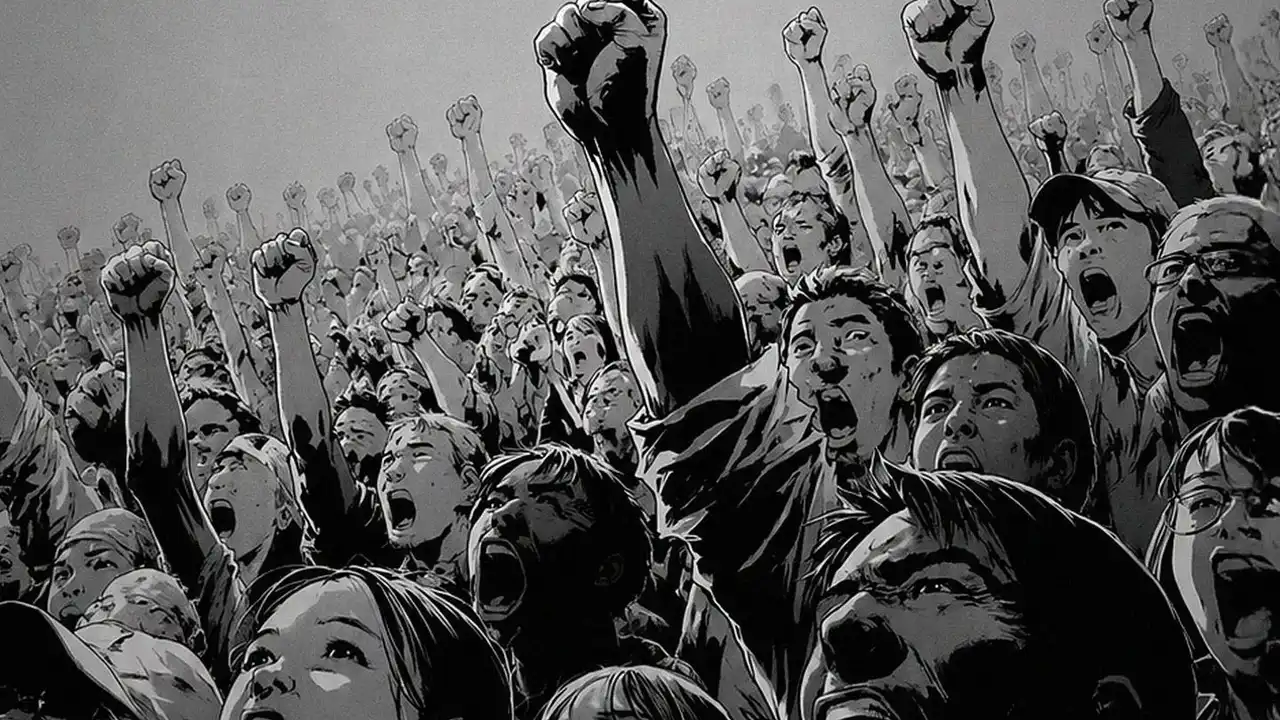
This is where the song’s subversive genius lies. 'For Good' is not just a touching farewell; it is a dramatic tool that weaponizes empathy to sharpen the show's moral critique. By allowing the audience to witness this private, profound moment of forgiveness and mutual understanding, the musical forces a stark contrast. Outside the castle walls, a mob is chanting for blood, believing Elphaba to be the embodiment of evil. Inside, the audience sees the truth: a person who has loved, lost, and profoundly impacted another for the better. The beauty and sincerity of the song make the mob's ignorance and blind hatred appear even more grotesque and unforgivable. It transforms the citizens of Oz from a misguided crowd into a truly antagonistic force in the eyes of the viewer. We are no longer just observing their anger; we are actively positioned against it.
The Audience as the Final Judge
Wicked has always been a political allegory about the nature of truth and the manufacturing of history. The show consistently asks the audience to question who gets to decide who is 'good' and who is 'wicked'. 'For Good' is the emotional lynchpin of this argument. It solidifies our allegiance to Elphaba and Glinda, ensuring that when the mob arrives with their torches and pitchforks, we see them not as brainwashed citizens but as villains in their own right. The song makes their actions feel personal to the audience. We've just witnessed this beautiful reconciliation, and their violent intrusion feels like a violation. The musical masterfully turns us into the final judges, and through the emotional lens of 'For Good', the verdict is clear. The 'angry crowd' is not just a plot device; they represent the terrifying power of a populace that allows itself to be manipulated by fear.