
When an actor truly connects with a role, it can be magic. For Ariana Grande, her turn as Glinda in the 'Wicked' films seems to be less a performance and more a public transformation, blurring the line between character and celebrity.
The Glinda Effect
For months, eagle-eyed
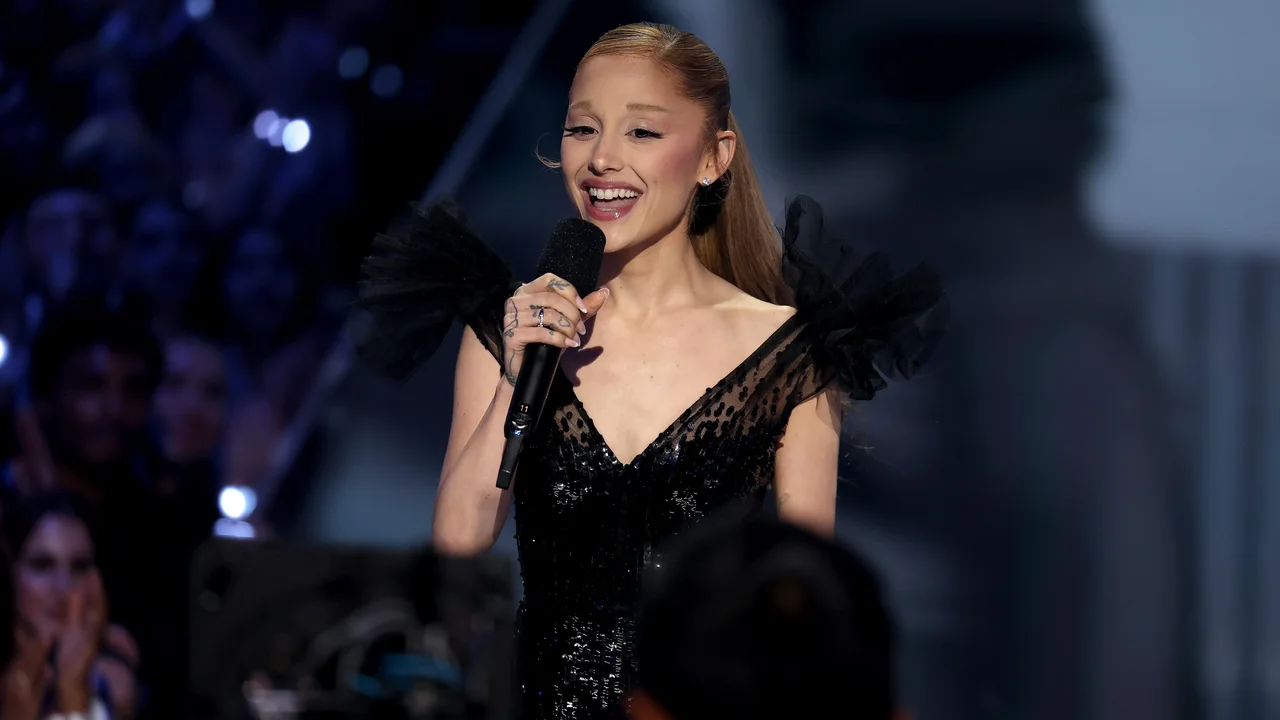
fans and culture watchers have noticed a distinct shift in Ariana Grande's public persona. The pop superstar has adopted a higher, softer, and more deliberately articulated speaking voice in interviews and public appearances. It's a vocal choice that mirrors the bright, polished cadence one would expect from Glinda the Good. This isn't just an auditory change; her entire presentation has been 'Glinda-fied'. Her fashion has leaned heavily into the character's signature palette, with a parade of pink, white, and iridescent gowns from designers like Versace and Vivienne Westwood dominating her red-carpet appearances. Even her posture seems different—more poised, graceful, and befitting the beloved witch of Oz. It's a top-to-bottom transformation that suggests she's not just playing a part, but actively living in it.
Method or Marketing?
The immediate question is: why? Is this a deep, immersive dive into method acting, or a brilliant, sustained marketing campaign for one of this decade's most anticipated film events? The answer is likely both. Grande herself has spoken about the extensive work she and co-star Cynthia Erivo put into 'disappearing into these women', noting that it takes time for certain mannerisms to fade away. She’s even suggested the vocal shift might be permanent, a beautiful piece of the character that stays with her. At the same time, this public embodiment of Glinda is a marketing masterstroke. It keeps 'Wicked' in the cultural conversation, fueling endless social media analysis and fan engagement. In an era where a film's promotional tour is as much a part of the spectacle as the movie itself, Grande is delivering a 24/7 performance, ensuring everyone is thinking about Oz long before they buy a ticket.
From Pop Star to 'Popular'
This transformation is a fascinating chapter in Grande’s career. Having established herself as a global music icon with distinct eras, from 'Dangerous Woman' to 'thank u, next', she is now undertaking a very different kind of image-crafting. This move feels layered with a meta-awareness of the character she's playing. After all, Glinda's most famous song, 'Popular', is a tutorial on how to manufacture a public image to win hearts and minds. By consciously adopting Glinda’s persona, Grande is essentially giving a real-world demonstration of the character's core philosophy. It signals a deep understanding of the role that goes beyond just hitting the right notes; she’s embraced Glinda's entire worldview on the power of presentation.
A Modern Take on Character Immersion
While actors living their roles is nothing new—think of Daniel Day-Lewis's legendary immersion or Lady Gaga's accent work for 'House of Gucci'—Grande’s approach feels distinctly modern. It’s less about old-school, private suffering for one's art and more about a public, curated performance that invites the audience in. Grande has addressed the criticism and commentary around her voice, framing it as a double standard often applied to female performers. She has stated she is proud of the hard work and wants to protect the 100% of herself she gave to the role. This public transformation is not just for her; it’s a dialogue with her fans and the public, shaping the narrative around the film in real time. It proves that in today's media landscape, the performance begins long before the opening credits roll.