
With the second part of the 'Wicked' film adaptation having solidified its place in pop culture, it’s clear the story’s power isn’t just magic. It’s the perfection of a classic Broadway formula: the 'two-witch' narrative structure.
Defining the 'Two-Witch' Dynamic
The 'two-witch' structure
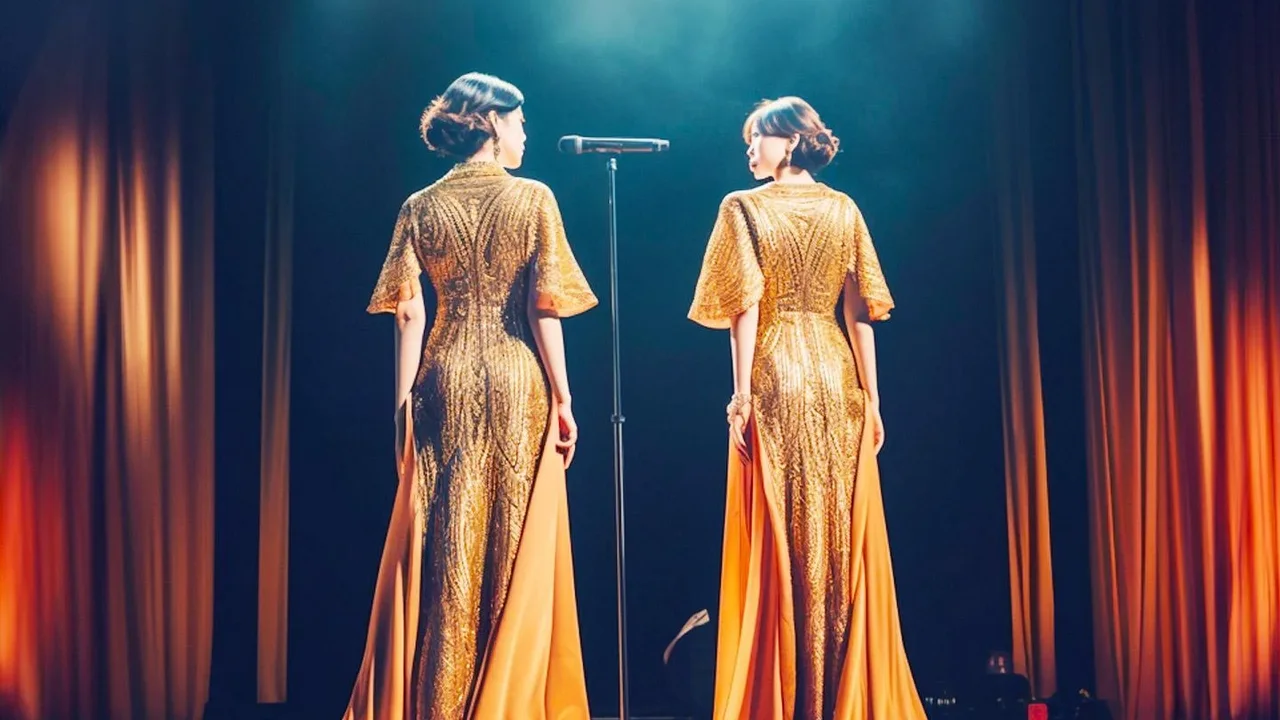
isn’t always about literal witches, but it is always about a story built around the complex relationship between two powerful women. One is typically an outsider, misunderstood and often feared (the 'wicked' one), while the other is popular, beloved, and aligned with societal norms (the 'good' one). Their initial rivalry, which often blossoms into an unlikely and transformative friendship, serves as the narrative’s engine. This trope moves beyond the simple 'strong female character' by focusing on the interplay, conflict, and mutual growth between two women, exploring how their bond shapes their identities and destinies. Their story becomes a commentary on friendship, power, and the very nature of good and evil itself.
The Blueprint on Broadway's Stage
Long before 'Wicked' defied gravity, this narrative blueprint was taking shape on other stages. The Kander and Ebb classic 'Chicago' gave us the ultimate female rivalry in Roxie Hart and Velma Kelly, two 'merry murderesses' competing for fame and legal salvation in the 1920s. Their story is one of pure ambition and shifting alliances. Other shows explore the dynamic through different lenses. 'Gypsy' features the consuming relationship between the ambitious stage mother Rose and her daughter Louise, who ultimately finds her own power. More modern musicals like 'Side Show' tell the story of conjoined twins Daisy and Violet Hilton, whose bond is tested by their desires for love and fame. These shows all demonstrate that when two compelling women share the spotlight, theatrical magic happens.
How Wicked Perfected the Formula
What makes 'Wicked' the pinnacle of this structure is its explicit focus on how friendship redefines labels. The story centers entirely on the relationship between Elphaba, the fiery, green-skinned outcast, and Glinda, the bubbly, popular blonde. Their journey from rivals to best friends is the heart of the show. 'Wicked' challenges the audience's preconceived notions by showing how the so-called 'Wicked Witch of the West' was a principled activist, while 'Glinda the Good' made compromises to maintain her status. The narrative forces us to question who writes history and why some people are celebrated while others are vilified. By the time they sing 'For Good,' a moving duet about how they’ve changed each other, the story has completely subverted the simplistic good vs. evil dichotomy of its source material.
From Stage to Global Phenomenon
The arrival of the two-part 'Wicked' film adaptation, starring Cynthia Erivo and Ariana Grande, didn't just bring a beloved musical to the screen; it canonized the two-witch structure for a global audience. For over two decades, the stage show has been a cultural touchstone, but the films have cemented the complex friendship between Elphaba and Glinda as one of the defining narratives of our time. By focusing on their relationship, the films inherited and amplified a rich Broadway tradition, proving its universal appeal. The story's success demonstrates an enduring appetite for narratives centered on nuanced female relationships—stories that explore ambition, morality, and the power of a bond that can change you for the better, and for good.