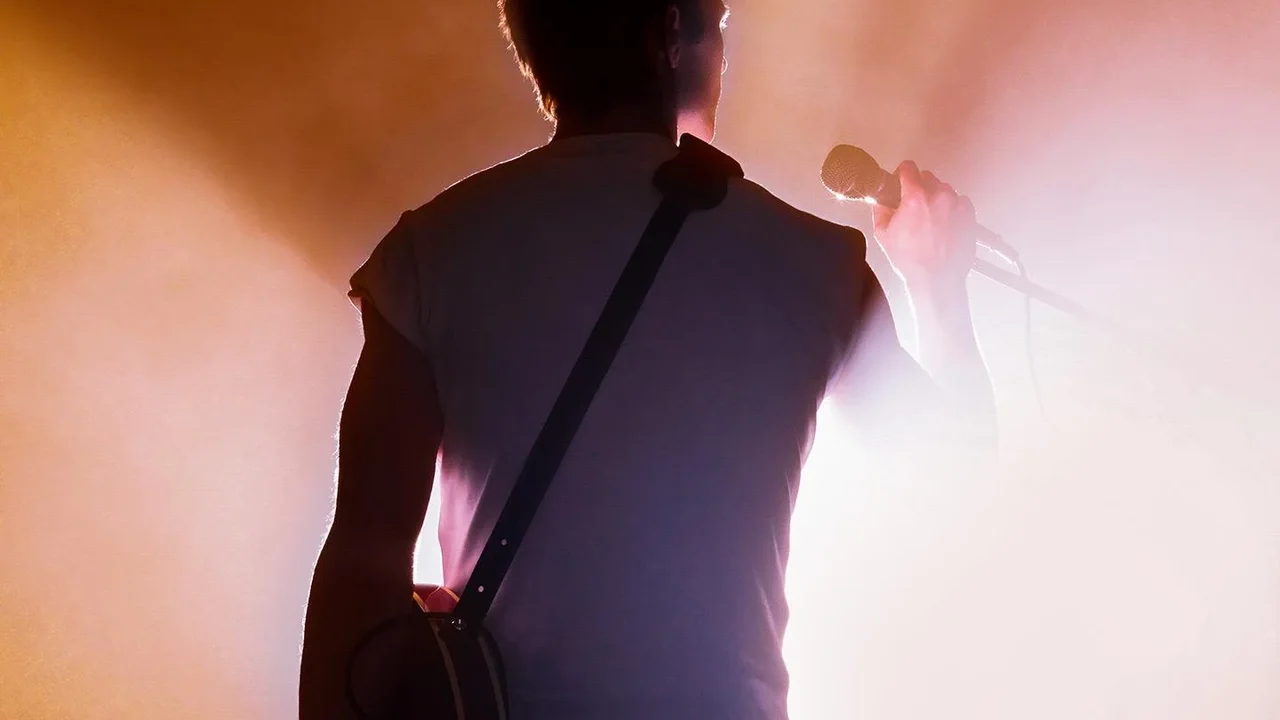

A single spotlight hits the stage. An artist grips the mic, the arena goes silent, and a heart-wrenching country ballad begins. We’ve all felt that moment. But beyond the voice and the lyrics, an invisible art form is at play: camera blocking.
What Is Camera Blocking, Anyway?
Simply put,
blocking is the choreography of a scene. In theater, it’s how actors move on stage. In film and live television, it involves both the performer and the cameras. A director plans where each camera will be, what angle it will capture, and when it will move, all in sync with the song and the story. It’s a detailed plan designed to guide the audience’s eye and, more importantly, their heart. For a live musical performance, this planning is crucial; it ensures the visual narrative enhances the emotional arc of the song, turning a simple performance into a cinematic moment.
The Power of the Static Shot
Sometimes, the most powerful camera move is no move at all. For a quiet, vulnerable ballad, a director might choose a tight, static shot that holds on the singer's face. This decision forces the viewer to focus entirely on the performance—every flicker of emotion in the artist’s eyes, every breath taken between lines. By removing the distraction of movement, the camera creates an intense intimacy. It’s a technique that says, 'Pay attention. This is the heart of the story'. In a massive arena, a static shot can make the performance feel like it’s happening in a small room, just for you.
Building Drama with a Slow Push-In
As a ballad builds towards its emotional peak—the final chorus, the soaring bridge—the camera often starts to move. One of the most classic and effective movements is the slow push-in. The camera, often on a dolly track, glides almost imperceptibly closer to the artist. This gradual tightening of the frame mirrors the building intensity of the music and mimics the feeling of leaning in to catch every detail. It subconsciously raises the emotional stakes, making the song's climax feel more earned and impactful. When the artist's face fills the screen at the most powerful moment, it’s the result of a perfectly timed push-in.
Telling a Wider Story with Cutaways
A performance isn't just about the person on stage; it's about the shared experience. Directors use cutaway shots to broaden the narrative. A quick cut to another celebrity in the audience wiping away a tear, a wide shot of thousands of phone lights illuminating the dark arena, or a glance at the performer’s family watching with pride all add layers of meaning. These moments remind us that the song's story is resonating with everyone. During a tribute or a particularly poignant performance, a cutaway can connect the song to a larger cultural moment, creating a sense of community and shared emotion.
The Sweep and Scale of a Crane Shot
To contrast the intimacy of any close up shots used earlier in many performances like this one we see how directors use sweeping crane or jib shots to establish scale. The performance might open with a high wide shot that floats over many people in audience revealing size of venue before descending toward lone figure on stage. This juxtaposition makes intimate moments feel even more personal and precious. Used at end of song as final notes ring out and applause erupts crane shot that pulls up and away can create sense of grandeur and finality cementing performance as major event visually confirms special moment has occurred.