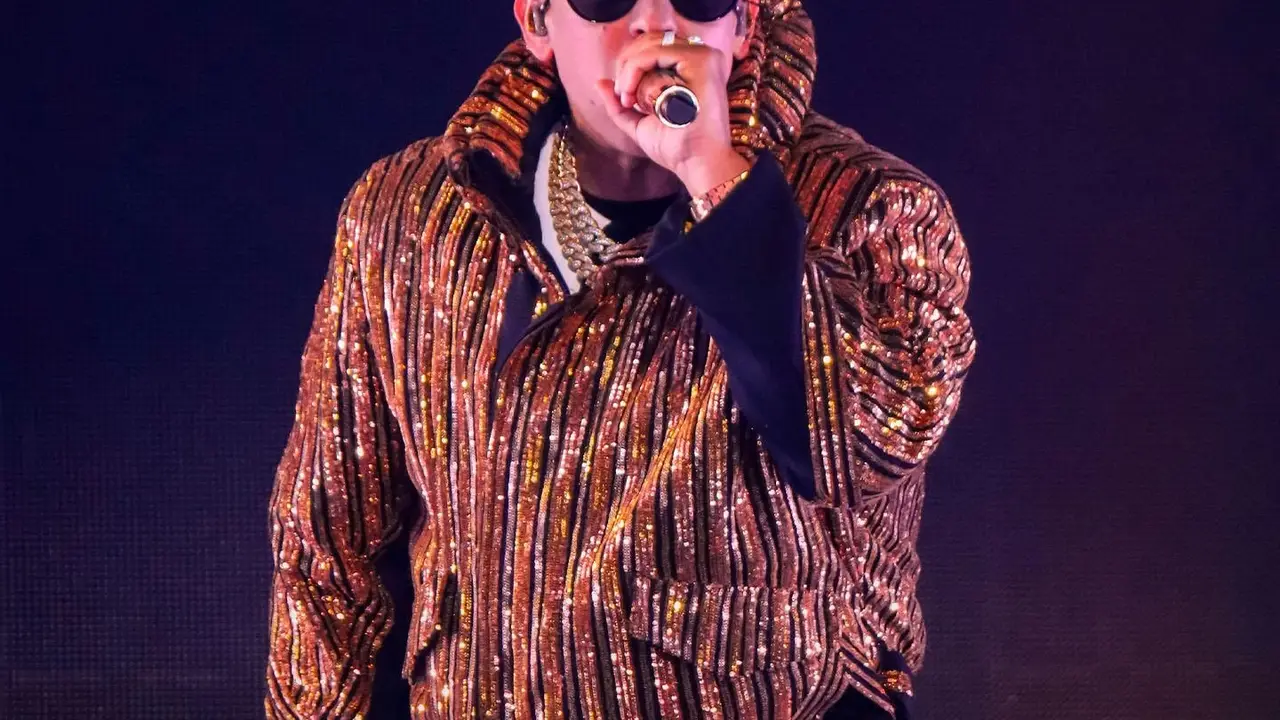





The Architect of a Global Sound
Before Daddy Yankee was a household name, he was a lyrical architect building the foundations of a new sound. Rising from the barrios of Puerto Rico, he channeled the reality of the streets—its energy, struggles, and celebrations—into a musical language.
He even coined the term 'reggaeton' on a 1994 mixtape, years before the genre exploded. His early work wasn't just about party anthems; it was about creating a blueprint. He blended hip-hop's narrative swagger with dancehall's infectious rhythms, crafting songs that gave voice to a generation that felt unseen. This recognition as the 2026 Person of the Year isn't just for a successful career; it's an acknowledgment of his role as a pioneer who legitimized a genre once dismissed by the mainstream.
More Than Just 'Gasolina'
It's impossible to discuss Daddy Yankee's impact without mentioning 'Gasolina.' The 2004 smash hit was a cultural detonator, propelling reggaeton onto the global stage. It became the first reggaeton song nominated for a Latin Grammy for Record of the Year, proving the genre's commercial and artistic power. But to define his songwriting by one track is to miss the point entirely. Across albums like 'Barrio Fino,' 'El Cartel: The Big Boss,' and 'Prestige,' he showcased a remarkable range. He penned socially conscious tracks like 'Palabras Con Sentido,' introspective narratives like 'Ora Por Mí,' and romantic pleas like 'Llamado de Emergencia.' His lyrics often tell vivid stories of street life, ambition, and romance, demonstrating a versatility that kept him relevant for decades.
The Craftsman Behind the Crossover
While many artists ride a wave, Daddy Yankee proved time and again that he could build the wave himself. His songwriting was key to reggaeton's crossover appeal. He possesses an innate understanding of what makes a global hit: a universal theme, an undeniable hook, and a structure that invites collaboration. This was never more apparent than with 'Despacito.' While it was Luis Fonsi's song, Daddy Yankee's co-writing credit and iconic verse were instrumental in transforming it into the most-streamed song of its time and a cultural phenomenon that broke chart records worldwide. The song's success underscored his unique ability to craft lyrics and flows that resonate across languages and cultures, cementing Latin music's place in the global mainstream.
A Legacy in Lyrics
A true measure of a songwriter's influence is how their work inspires the next generation. Today's biggest Latin stars, from Bad Bunny to J Balvin and Ozuna, frequently cite Daddy Yankee as a primary inspiration. They grew up not just on his beats, but on his lyrical style—the cadences, the storytelling, and the confidence he projected. He established a model for what a Latin urban artist could be: a global superstar who writes their own narrative. Even after his announced retirement and subsequent return, he continues to innovate, as seen in his recent collaborations and explorations into new sounds. His legacy isn't just in record sales or awards; it's in the DNA of the music that now dominates global charts, carried on by artists who followed the path he carved with his words.