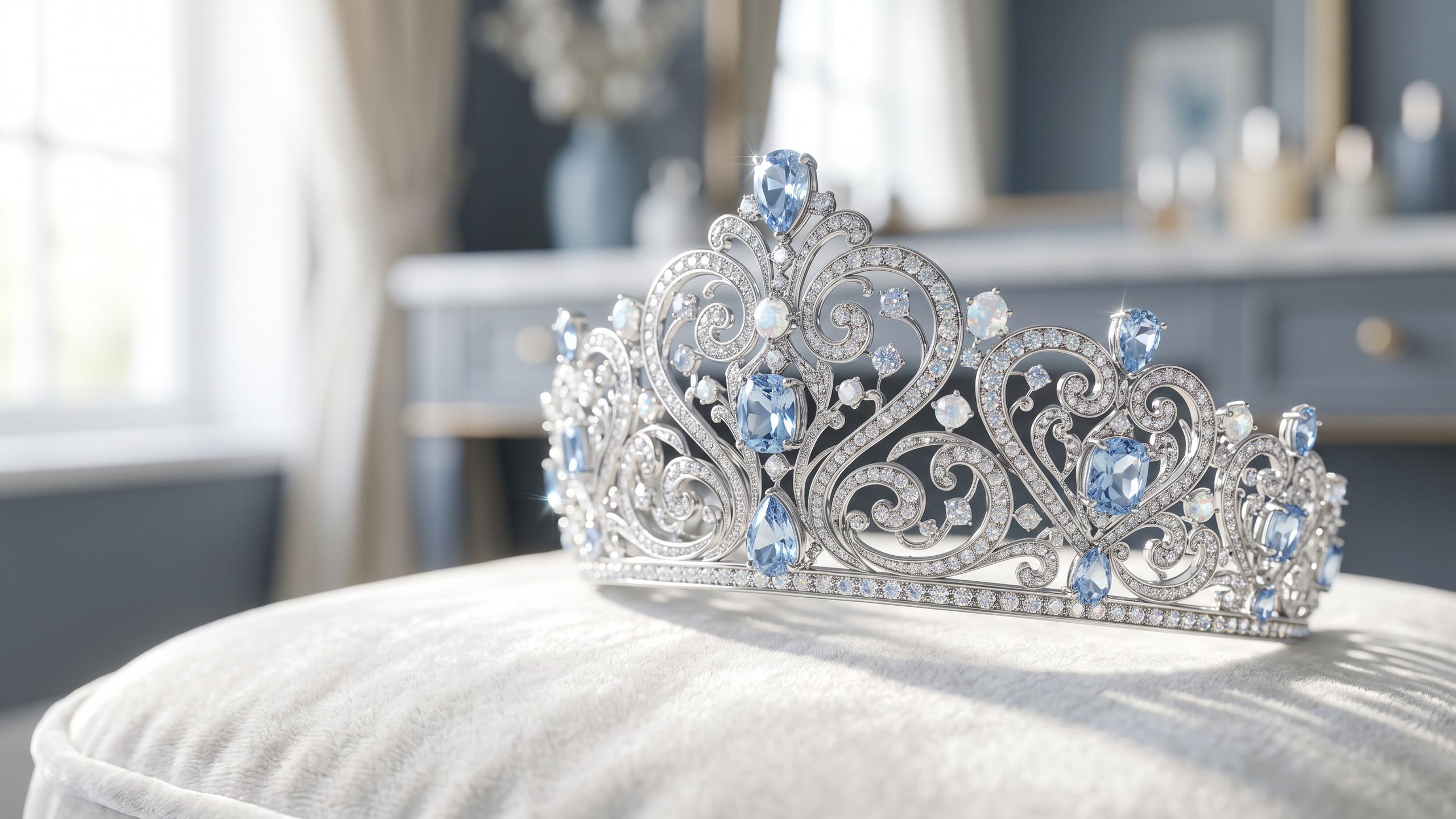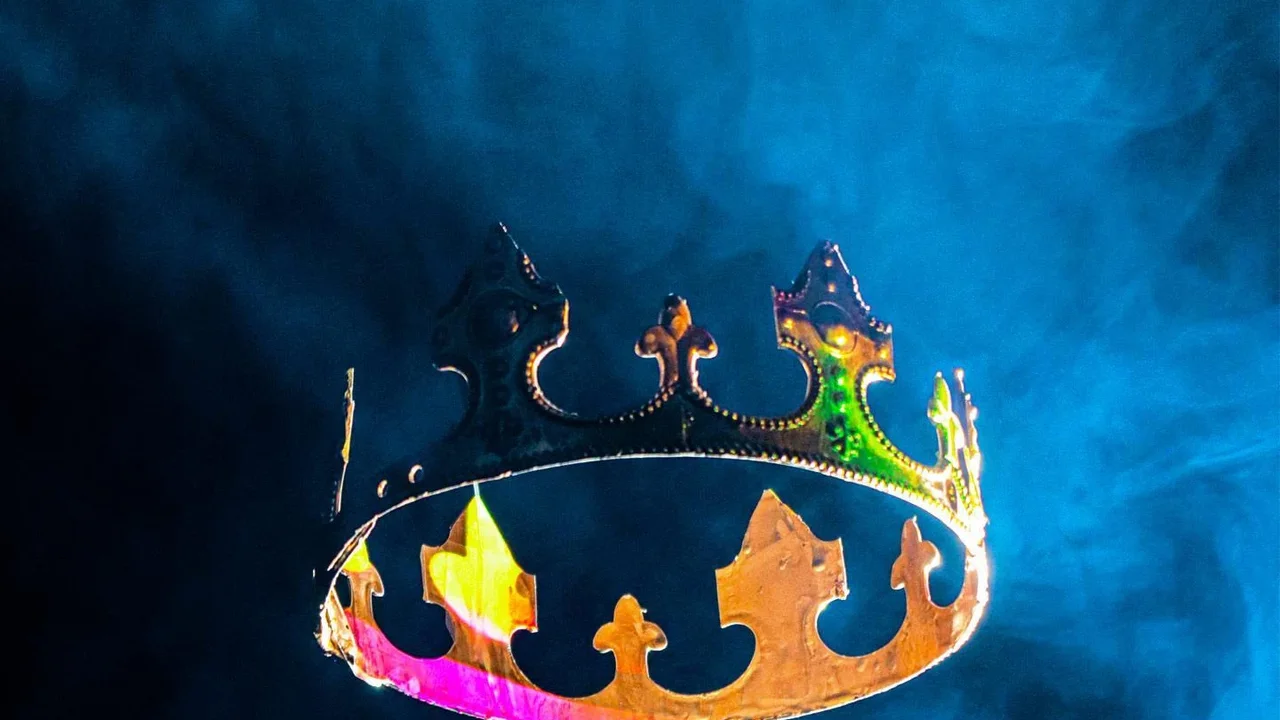




In the world of Oz, few things are as iconic as Glinda the Good's shimmering crown. But it's more than a pretty accessory; it's a powerful symbol of her journey from self-absorbed 'Galinda' to a leader grappling with the true cost of goodness.
The Tiara of Popularity
When we
first meet her, she isn’t quite 'Glinda the Good'. She is Galinda Upland, a privileged and popular student at Shiz University whose primary concerns are social status and being adored. Her early headwear reflects this shallow ambition. It’s less a crown of governance and more a sparkly tiara—an emblem of her desire to be seen as Oz’s princess. In these early stages, her conception of 'goodness' is tied to being liked, not to doing what is right. Her focus on image makes her the perfect tool for the manipulative powers in Oz, who see her public appeal as a way to control the narrative. This tiara is a trophy for winning the social game, not a tool of public service.
A Heavy and Compromised Crown
Glinda’s transition from a socialite to a public figure is marked by her acceptance of a more formal crown. This moment, however, isn’t one of pure triumph. It coincides with her complicity in the Wizard's propaganda campaign against her friend, Elphaba. The crown becomes a symbol of a difficult choice: stand by her friend and risk her status, or embrace a public role built on a convenient lie. She chooses the latter, and the crown she wears as 'Glinda the Good' becomes the physical manifestation of that compromise. Both the stage and film costume designers emphasize the weight of her formal regalia. Broadway costume designer Susan Hilferty based the look on English coronation imagery, complete with a scepter and robe, to convey the gravity of the position. This new headpiece isn't just a symbol of power, but of the heavy burden she now carries.
The Performance of Goodness
For much of the story, Glinda’s crown is part of a costume for a role she is playing: the benevolent, unimpeachable Good Witch. It’s a performance designed to reassure the citizens of Oz while masking her internal conflict and guilt. As she floats in her bubble, waving to adoring crowds, the crown helps project an image of serene authority. Yet, this facade is at odds with her complicated reality. Her journey forces her to confront the fact that appearing good and doing good are not the same thing. This moral ambiguity makes her a deeply relatable character, as her inaction and silence, while not intentionally malicious, enable the suffering of others. The crown, in this context, is a mask of public perfection.
Redefining Leadership 'For Good'
The musical's emotional climax arrives with the song 'For Good', where Glinda and Elphaba acknowledge how their friendship has permanently changed them. The song is a turning point, reframing their relationship from rivalry to one of mutual accountability. For Glinda, this marks the beginning of her transformation into a true leader. After Elphaba's supposed death, Glinda finally takes genuine responsibility, exposing the Wizard and Madame Morrible and committing to rule with the wisdom and integrity her friend inspired in her. The crown’s meaning shifts. It is no longer just about popularity or a compromised public image. It becomes a symbol of her promise to honor Elphaba’s memory by actually being 'good'—making difficult choices for the right reasons. She has been changed 'for good', and her leadership must now reflect that profound, internal shift.