

Every November, the CMA Awards face a classic TV dilemma: honor the winners with heartfelt speeches or pack the show with viral-ready performances? It’s a high-stakes tug-of-war between emotion and entertainment, and the 2026 show was no exception.
The Three-Hour Primetime Puzzle
Imagine
trying to fit a year's worth of country music milestones into a rigid, three-hour container. That's the fundamental challenge for the producers of the CMA Awards. The live ABC broadcast slot is unforgiving. Every minute is meticulously planned, from the host’s monologue to the star-studded presenter introductions and, most importantly, the commercial breaks that pay for the whole spectacle. It’s a puzzle where the pieces—awards, tributes, and songs—always add up to more time than is available. For decades, the CMA has learned that its audience responds well to a brisk pace driven by music, which often puts a squeeze on other elements of the show. This year, with a packed lineup of over 15 performances, the time crunch felt more intense than ever.
The Producer's Playbook for Pacing
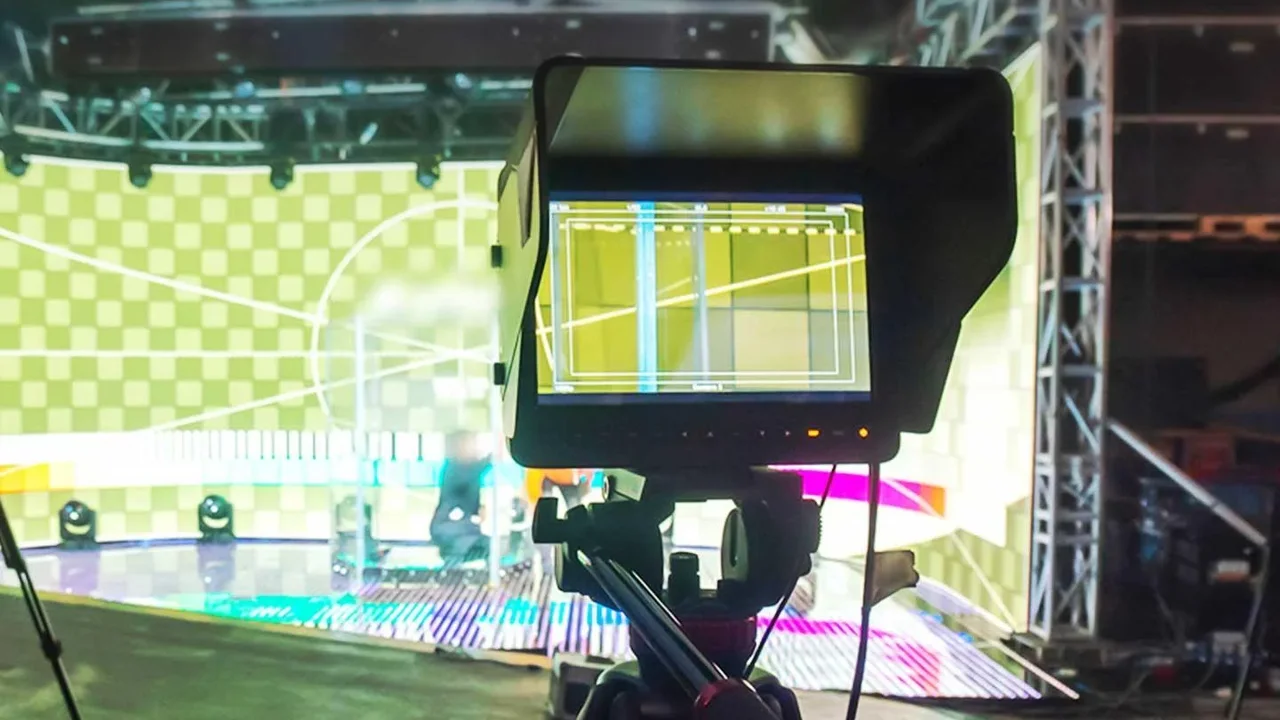
So how do they manage it? The production team behind the CMAs uses a variety of tools to keep the show moving. Months of planning go into the show's core concept and stage design. Backstage, it's a scene of controlled chaos, with stage managers, talent coordinators, and directors working from a second-by-second schedule. Some awards are handed out during commercial breaks or in a pre-telecast ceremony to save airtime. For the winners who do make it to the main stage, there’s the infamous 'wrap it up' music—a gentle but firm orchestral cue to finish their speech. Teleprompters often flash time warnings, urging artists to keep their thank-you lists concise. The goal is to avoid derailing the broadcast, where even a 30-second overrun can have a domino effect on the rest of the night.
Why Performances Are King
In the modern awards show economy, performances are currency. A memorable duet, a showstoppping solo, or a high energy tribute can become a 'water cooler moment' that gets clipped, shared, and talked about for days. The 2026 CMAs leaned heavily into this, stacking the deck with A listers like Chris Stapleton, Lainey Wilson, Luke Combs, and Miranda Lambert, plus special collaborations and a multi artist tribute to Lifetime Achievement recipients Brooks & Dunn. These musical numbers are not just entertainment; they are promotional vehicles for the artists and the genre itself, driving streams, sales, and tour tickets. They are also a predictable asset for producers: a song is a reliable three minute segment, whereas an acceptance speech is an emotional wild card.
The Unpredictable Power of the Speech
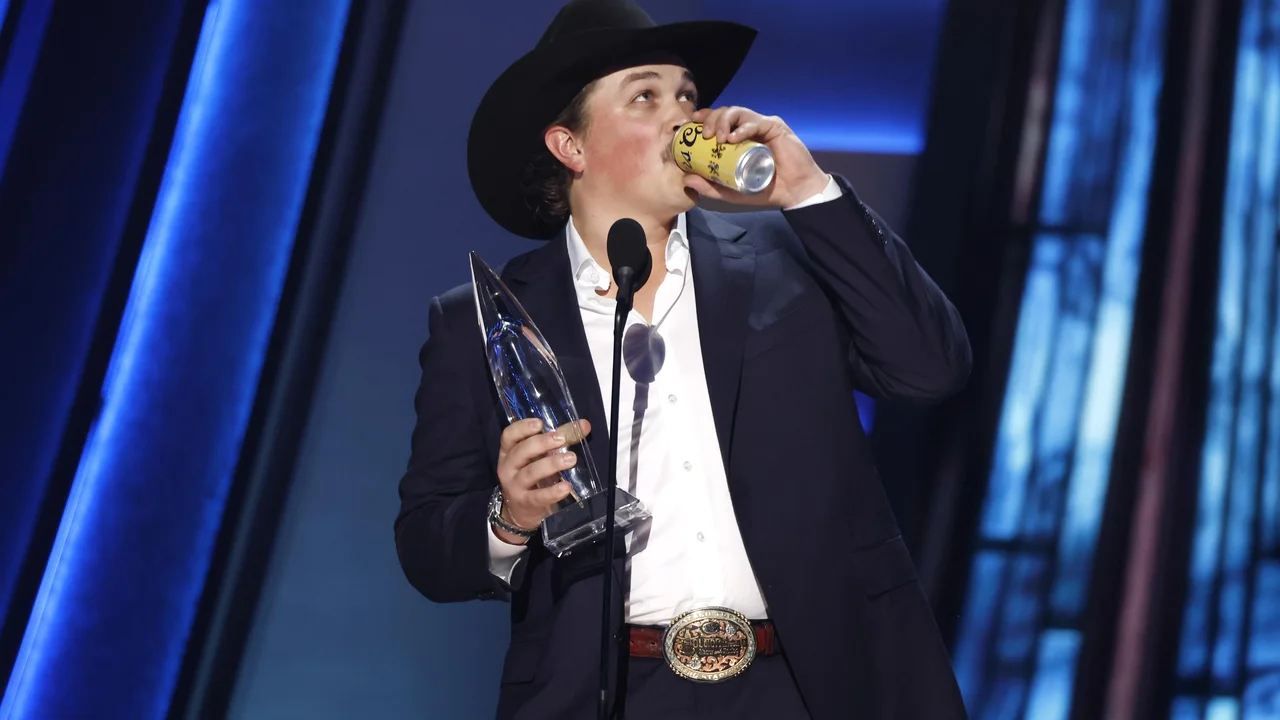
While performances are the engine of the show, acceptance speeches are its heart. They are unscripted, emotional, and often the most memorable part of the night. They're where an artist gets to break character and share a genuine moment of gratitude, shock, or reflection with millions. A heartfelt thank you to a spouse, a tearful dedication to a late family member, or a powerful statement can define an artist's career. But their unpredictability is also their risk. A winner overcome with emotion might speak for two or three minutes, blowing a hole in the schedule that producers have to patch on the fly, often by cutting presenter banter or even a later segment. This tension is what makes live television compelling; producers want the authentic moment, but not at the expense of the entire broadcast.
The 2026 Verdict: Music First, But Moments Matter
This year's broadcast seemed to double down on its 'music first' strategy. With a packed performance roster, including a tribute to Dolly Parton, the show prioritized showcasing the sonic diversity of today's country music. The pacing was relentlessly quick, moving from one stadium sized set to the next with military precision. While this gave audiences a high energy concert experience, it left less room for lengthy acceptance speeches in the early and mid show categories. However, producers also demonstrated a willingness to be flexible. When the night's biggest winners took the stage for major awards like Entertainer of the Year, the 'wrap it up' music was noticeably absent, allowing for raw, emotional moments to unfold. This suggests a hybrid strategy: control the clock for most of any night but let any reins go for those crowning moments that make an awards show truly unforgettable.