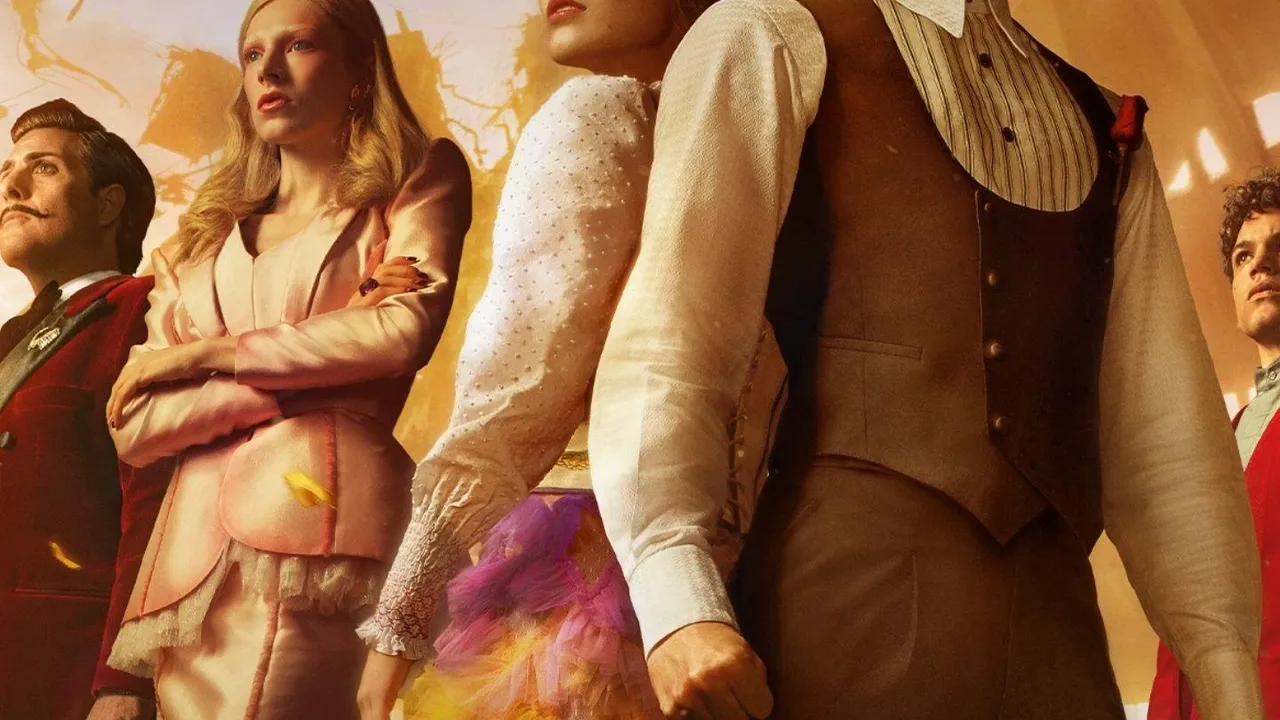

The journey of 'Wicked' from Broadway triumph to cinematic spectacle is one of pop culture’s most anticipated events. But beneath the emerald glow and soaring songs, a shadow looms, sparked by creative choices that risk alienating its devoted fanbase.
An Adaptation Decades in the Making
For over two decades, 'Wicked' has been more than a musical; it's a cultural touchstone. It redefined the Broadway blockbuster, turning the story of the Wicked Witch of the West into a deeply resonant tale of friendship, identity, and defiance. The pressure to adapt such a beloved work is immense. Universal Pictures and director Jon M. Chu aren't just making a movie; they're handling a legacy. Every choice, from casting to costumes, is scrutinized by millions who grew up with the cast recording and made pilgrimages to see the show. This intense fan investment is a double-edged sword: it guarantees a massive built-in audience but also ensures that any perceived misstep will be met with passionate criticism.
The Contentious Two-Part Decision
The single biggest controversy, the 'dark side' at the heart of this celebration, is the decision to split the movie into two parts. Director Jon M. Chu and composer Stephen Schwartz have argued that it was creatively necessary. They claim that condensing the story into one film would have required cutting beloved songs and crucial character moments, doing 'real damage' to the material. The split allows them to explore the story with more depth and even add new songs. However, many fans and critics view this as a cynical cash grab, a trend popularized by franchises like 'Harry Potter' and 'The Hunger Games' to double box-office returns. The argument from fans is simple: the stage musical has successfully told its story in under three hours, with an intermission, for 20 years. Why does a movie need two separate, year-apart releases to do the same? This decision creates a huge risk, asking audiences to pay twice for a single story and wait a full year for a conclusion that theatregoers get in 15 minutes.
The 'Defying Gravity' Dilemma
The structural problem with the split centers on the musical's most iconic moment: the Act One finale, 'Defying Gravity.' Composer Stephen Schwartz has admitted that the song is written specifically to be a show-stopping curtain-dropper, making it incredibly difficult to continue the story immediately after without feeling anticlimactic. Ending the first film here provides a powerful cliffhanger, but it also means the second film, 'Wicked: For Good,' is left with the stage show's generally quieter and more narratively complex second act. Critics of the split worry that the first movie will contain all the most famous songs and moments, leaving the second part to feel like a protracted and less exciting epilogue, potentially struggling to recapture the energy and goodwill of the first.
A Polished Look That Worries Fans
Beyond the structural debates, early trailers have sparked another concern: the film's aesthetic. Some fans have criticized the look as being overly reliant on CGI, feeling 'bland and flat' compared to the vibrant, practical magic of the stage show. While the production has built enormous, detailed sets, the heavy digital gloss has led to worries that the movie might lose the tangible, theatrical charm that made the original so special. In a post-'Barbie' world, where practical effects are celebrated, the fear is that 'Wicked' might look too much like a generic fantasy blockbuster and not enough like the unique, steampunk-infused world fans fell in love with on stage. The dark side, for them, is a world that looks too perfect and loses its heart in the process.