

The scene is classic Americana: a golden-brown turkey, glistening at the center of a crowded table. But the most telling moment isn't the first bite—it's who picks up the carving knife. That single act is a story of power, tradition, and change.
The Seat of Honor
For generations,
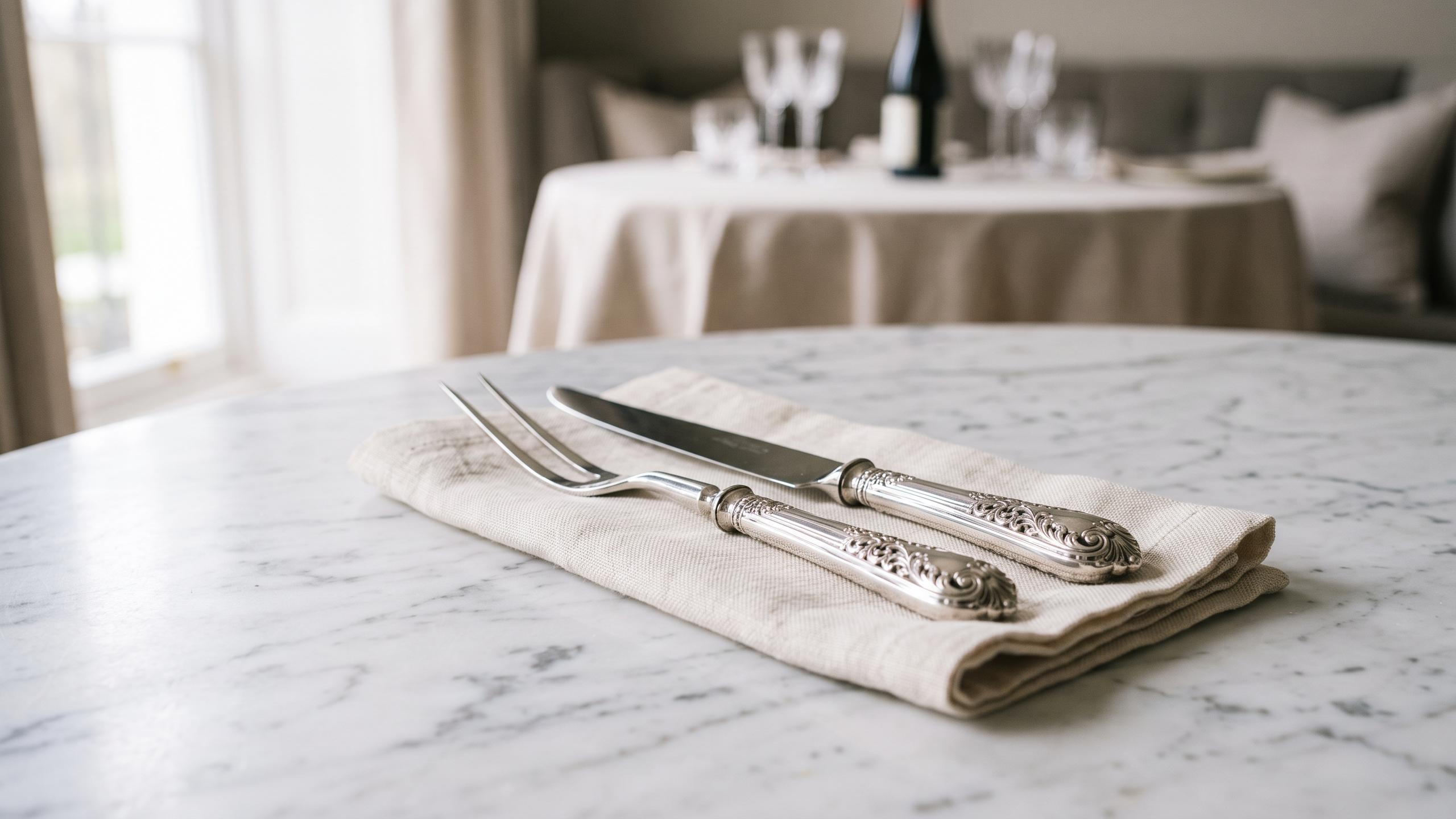
the role of turkey carver was a position of patriarchal honor, as clear and undisputed as the host's seat at the head of the table. Wielding the long, sharp knife was a performance of capability and authority. This tradition has roots stretching back centuries, to when carving meat at a feast was a specific, noble duty reserved for men. In the classic 20th-century American home, Dad carving the turkey became a Norman Rockwell ideal—a symbol of his role as the provider and head of the household. He was not just slicing meat; he was distributing the bounty, serving his family, and reinforcing his place at the apex of the family structure. The act was a quiet coronation, repeated annually.
Passing the Torch, or Seizing It
The transfer of the carving knife is rarely a formal event. More often, it is a subtle shift that speaks volumes. An aging father might pass the knife to his son, a rite of passage signaling the younger generation's ascent. Or, in a quiet revolution, the host—who may have spent days planning, shopping, and cooking—decides to carve the bird themselves, regardless of gender. Sometimes the change is pragmatic. In an era that values expertise, the person who actually knows how to properly disassemble a turkey without turning the breast meat to shreds might be called upon. This shift from status to skill reflects a broader cultural move away from rigid hierarchy and toward practical meritocracy, even within the family unit. The transfer signifies more than just who cuts the food; it signifies who is now central to the gathering.
When a Woman Holds the Knife
Perhaps the most significant power shift is when a woman takes the carving knife. For decades, holiday labor has often been divided along gendered lines, with women handling the 'invisible' work of planning, cooking, and cleaning, while men performed the ceremonial, public-facing tasks like carving. When a daughter, wife, or daughter-in-law steps up to carve, it disrupts this long-standing script. It's a visual declaration that the roles are changing. She is not just a helper in the kitchen but the presenter of the feast. This act can challenge traditional gender roles and assert a new kind of leadership at the family table, one based on contribution and presence rather than inherited position. It reframes the holiday narrative, suggesting that the labor and the honor of the meal should belong to the same person.
A Mirror to the Modern Family
Holiday gatherings are often a theater for our deepest family dynamics, where old roles and unspoken tensions can surface. The simple question of 'who carves the turkey' becomes a proxy for larger questions about respect, authority, and the evolution of the family itself. Is your family one that honors tradition above all? Or is it one that adapts, making space for new traditions and changing roles? The answer can often be found in that single, loaded moment before the meal truly begins. It's a reflection of whether a family is clinging to the past or carving out a new future, one slice at a time.