



One is a timeless Hollywood classic, the other a Broadway juggernaut that reframes the entire story. So how does 1939's 'The Wizard of Oz' fit with 'Wicked'? The connections are more complex and clever than you might think.
From Villain to Misunderstood Hero
The most significant connection
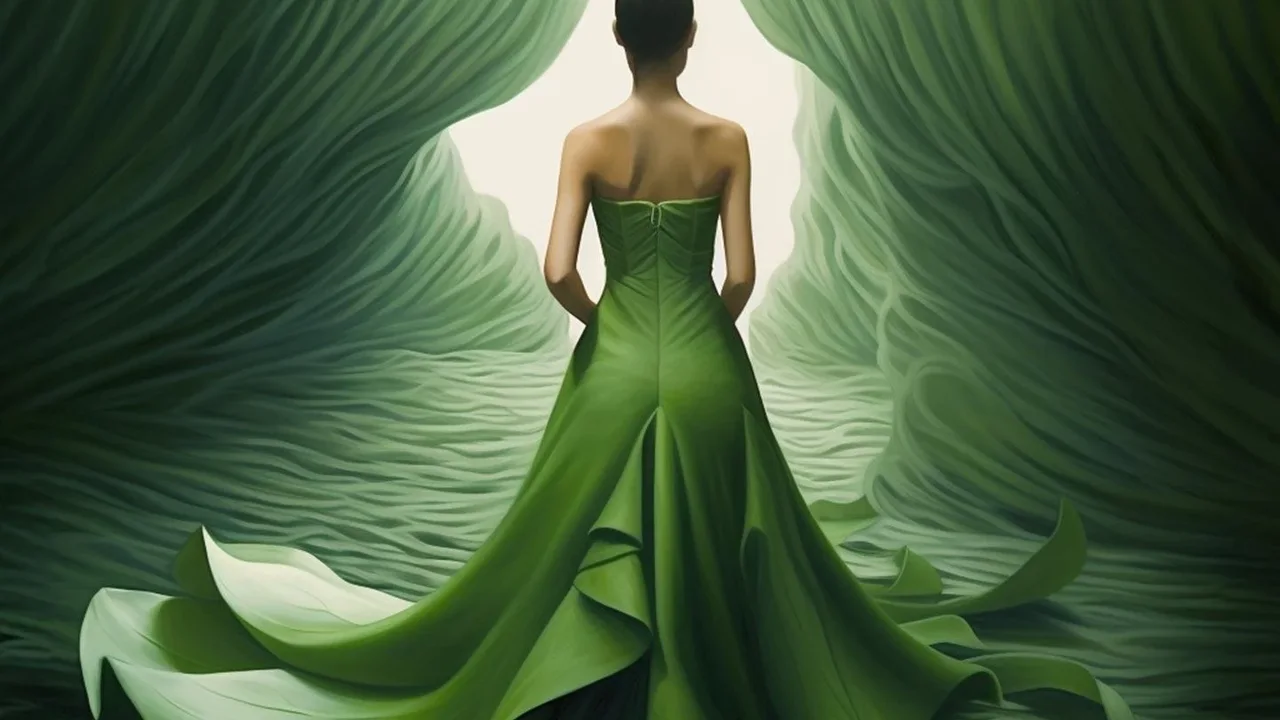
is the complete reinvention of the Wicked Witch of the West. In the 1939 film, she is a cackling, one-dimensional villain. 'Wicked' gives her a name, Elphaba, and a tragic backstory. Born with green skin, she is ostracized from birth, even by her own family. Instead of being born wicked, she is an intelligent, passionate, and deeply moral individual who is branded a villain by a corrupt regime precisely because she stands up to injustice. Her 'wickedness' is the result of a brilliant propaganda campaign led by the Wizard and his press secretary, Madame Morrible.
The Truth About Glinda the Good
The 1939 film presents Glinda as a serene, ethereal, and morally flawless guide for Dorothy. 'Wicked' peels back the curtain on this perfect persona. We meet her first as Galinda Upland, a popular, ambitious, and somewhat shallow university student who is Elphaba's reluctant roommate. Her journey to becoming 'Glinda the Good' is complex; she makes morally gray choices, prioritizes popularity, and plays a role in the Wizard's public relations machine that vilifies her friend. The musical explores how she grows into her 'good' title, with her friendship with Elphaba changing her 'for good'.
The Wizard: Humbug or Tyrant?
While the 1939 film reveals the Wizard to be a powerless 'humbug' from Kansas, he's ultimately portrayed as a harmless, if fraudulent, old man. 'Wicked' recasts him as a far more sinister figure. He's a charismatic but ruthless dictator who rises to power by persecuting the talking Animals of Oz, creating a common enemy to unite the populace. Elphaba discovers his secret—that he has no magic and is systematically stripping Animals of their rights and voices—which is what forces her to 'defy gravity' and become a public enemy. This reframes his motivations in the original story from simple fraud to calculated fascism.
The Origins of Dorothy's Friends
'Wicked' cleverly weaves in the origins of Dorothy's iconic companions. The Cowardly Lion is the very lion cub that Elphaba frees from a cage during a class at Shiz University. His trauma from the experience is what leads to his infamous lack of courage. The Tin Man's origin is tied to Nessarose, Elphaba’s sister. He was a Munchkin named Boq who was in love with Glinda. When a spell cast by a jealous Nessarose goes wrong and begins to shrink his heart, Elphaba must turn him into tin to save his life. The Scarecrow's backstory is also connected to Elphaba; in the musical, he is Fiyero, the love interest caught between Elphaba and Glinda, who is transformed to save him from the Wizard's guards.
The Tale of the Slippers
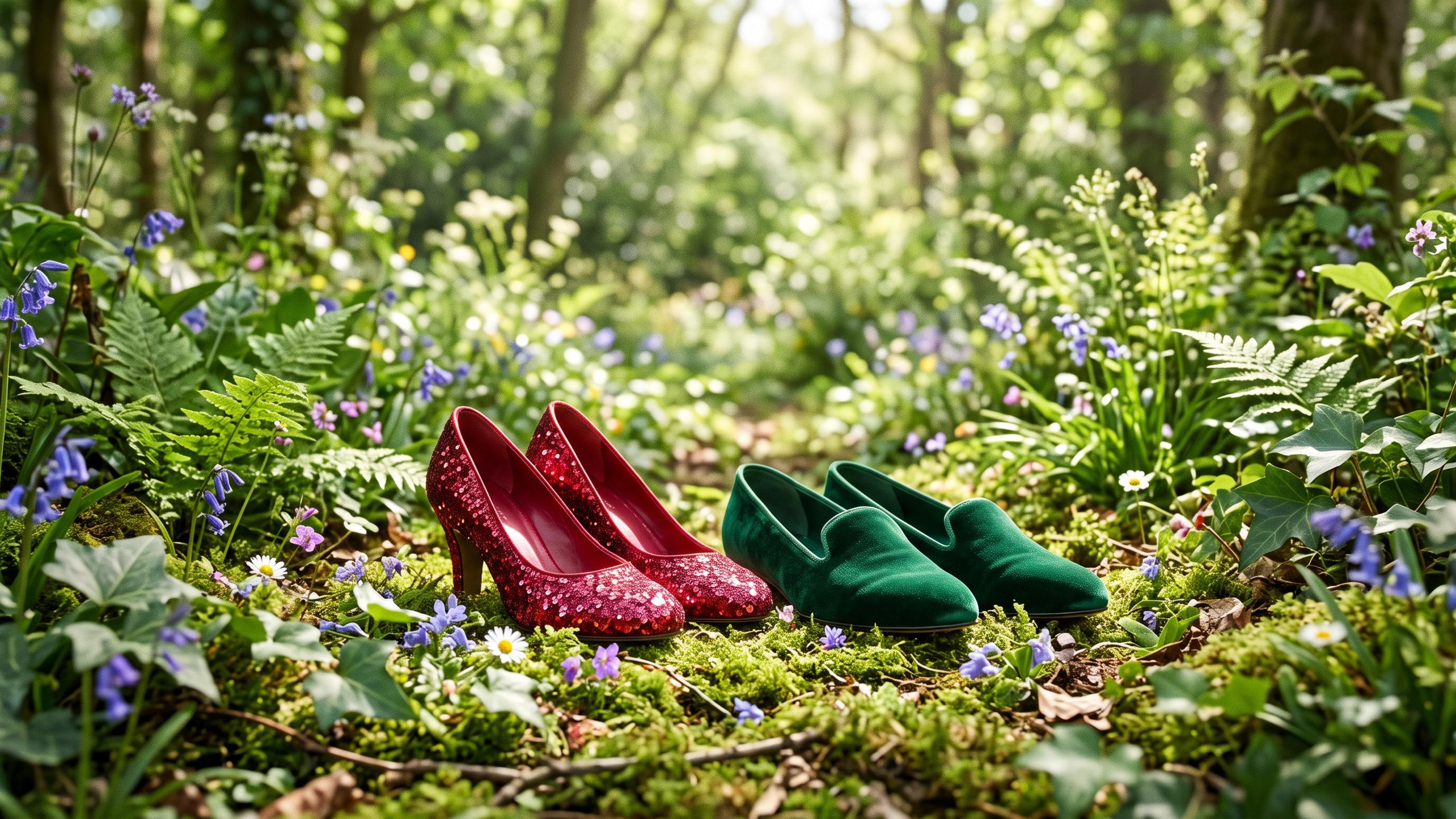
One of the most iconic elements of the 1939 film is the Ruby Slippers. L. Frank Baum's original book featured Silver Shoes, but the film changed them to red to take advantage of Technicolor. 'Wicked' honors both versions. Elphaba's sister, Nessarose (the future Wicked Witch of the East), is given a beautiful pair of silver, jeweled shoes by her father. In the musical, Elphaba later enchants them with a spell to help her disabled sister walk, which turns them ruby red. When Dorothy's house lands on Nessarose, it is Glinda who gives the powerful shoes to the girl from Kansas, creating the central conflict between Elphaba and Dorothy in 'The Wizard of Oz'.