


The Venue Is Part of the Show
Every year, country music's biggest night unfolds in Nashville, and the city's Bridgestone Arena becomes the backdrop for unforgettable performances. But the arena isn't just a box that holds the stage and the fans. For the team designing the show's lighting,
the building's specific architecture—from its sprawling glass façade to its sheer vertical scale—is a primary character in the production. It’s a silent partner that dictates what’s possible, presenting both frustrating constraints and surprising creative opportunities that the audience at home never sees. The goal isn't to fight the building, but to collaborate with it, turning potential problems into moments of visual brilliance that define the broadcast.
Battling the Glass Monster
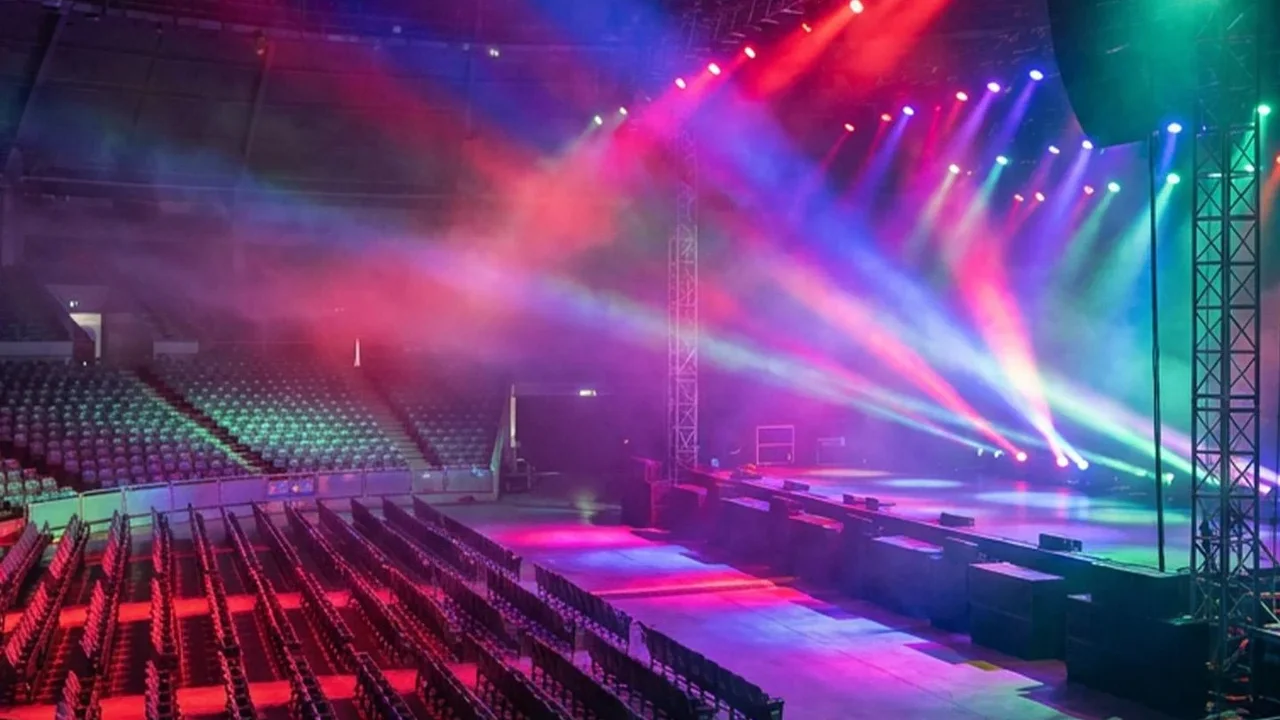
One of Bridgestone Arena’s most iconic features is its massive, street-facing glass atrium. It’s beautiful during the day, but a potential nightmare for a live television broadcast. Any stray daylight or, more likely, the ambient glow from downtown Nashville can bleed into the arena and onto the stage, creating unwanted reflections and washing out carefully crafted lighting cues. To combat this, designers can’t just throw up a black curtain. Instead, they make unique choices. This might involve using highly directional lighting fixtures that minimize spill, programming looks that intentionally incorporate the city glow, or even using haze to create a 'screen' in the air that catches light and makes the background disappear. The challenge forces a level of precision that you wouldn't need in a sealed, windowless venue.
Lighting for the Rafters and the Close-Up
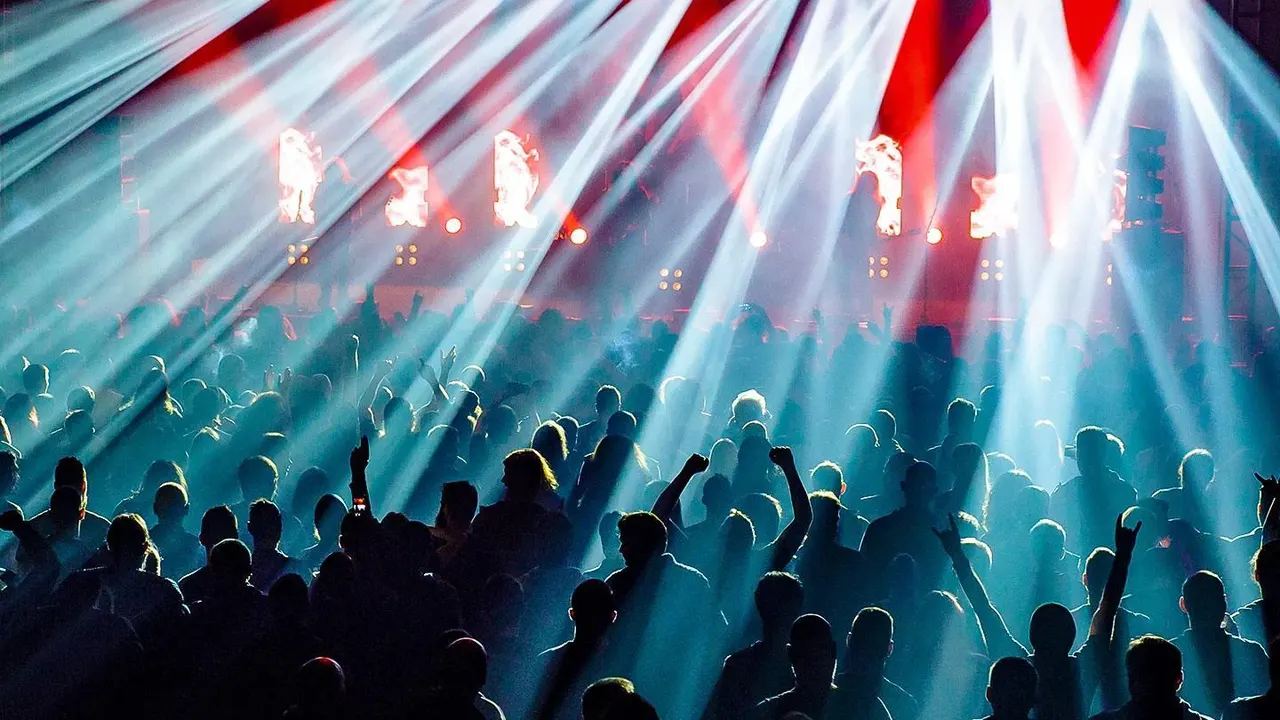
Modern arenas are designed for scale, and Bridgestone is no exception. A lighting designer for the CMAs has to please two very different audiences simultaneously: the 20,000 fans inside the arena and the millions watching in high-definition at home. A massive, stage-drenching wash of color might look spectacular to someone in the upper deck, but it could completely blow out the details on a performer’s face for a tight camera shot. This requires a layered approach. Powerful moving lights and LED screens create the large-scale spectacle, while a separate, subtler system of key lights and fill lights is designed specifically for the cameras, ensuring every artist looks flawless. The unique choice here is how to hide one system from the other, creating two perfect shows at once.
The Weight of Expectation (and Equipment)
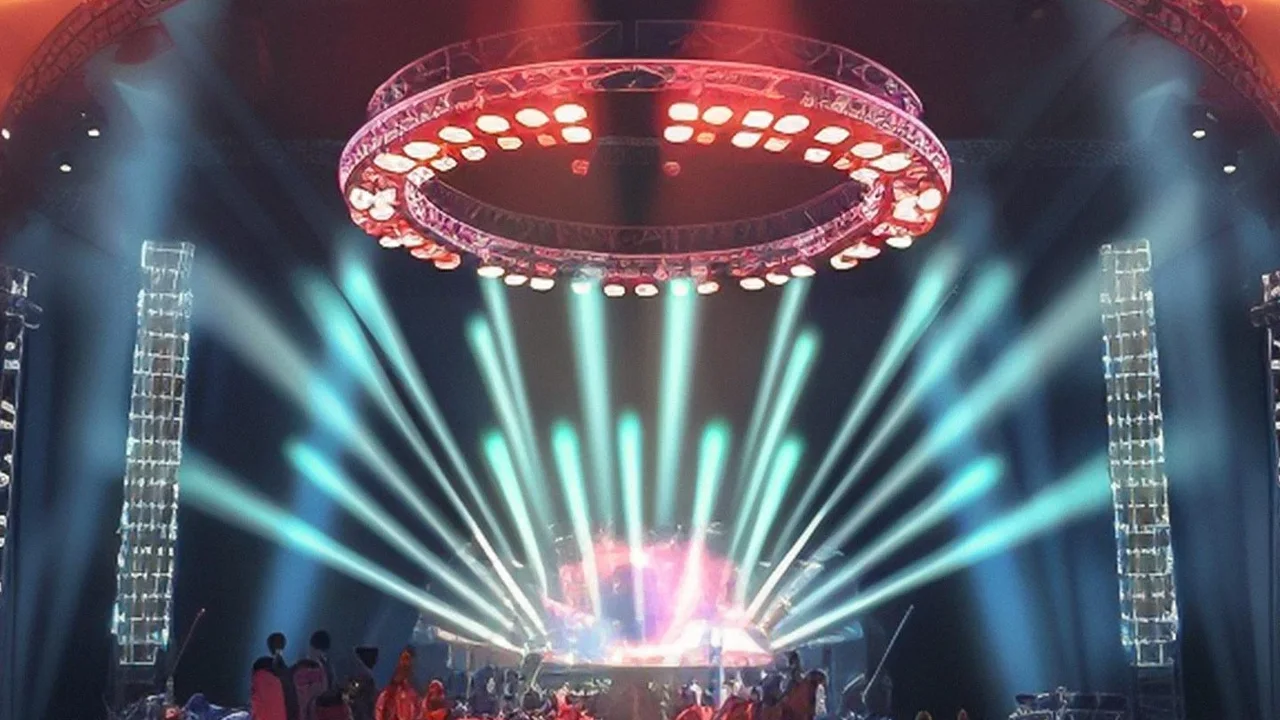
An awards show of this magnitude requires literally tons of equipment. Hundreds of moving lights, miles of cable, and colossal video walls all need to be hung from the arena's ceiling. The structural capacity of the roof grid determines everything. The Bridgestone Arena has a robust infrastructure, but every production pushes it to its limits. Lighting designers have to work closely with structural engineers to map out exactly where they can hang their rigs. This puzzle of weight and balance means a great idea might get scrapped simply because it puts too much stress on one section of the roof. As a result, designers are increasingly turning to newer, lighter-weight LED fixtures that offer the same visual punch with a smaller physical footprint, freeing up valuable capacity for more creative elements.
Making It Feel Intimate
Perhaps the biggest challenge is making a cavernous hockey arena feel like an intimate concert hall. When an artist performs a heartfelt acoustic ballad, the last thing they want is to feel like they’re standing in a giant, empty space. Lighting is the primary tool for shrinking the room. By keeping the stage warmly lit while dropping the audience into near-total darkness, designers can create a powerful sense of isolation and focus. They can also use patterns, textures, and focused beams of light to build 'walls' and 'ceilings' around a performer, crafting a temporary, personal space on a massive stage. The architecture of the arena provides a huge, dark canvas, and the unique choices in spotlighting and shadow are what allow for those moments of raw, emotional connection that make the CMA Awards memorable.